
Brief (coffeeyo.com): For years the writer has drunk two cups of coffee a day purely out of habit, with no noticeable lift at all. So what does a daily cup actually do to the body? A plain-language look at the benefits, the possible downsides and how to drink it more sensibly.
For years I have had a habit: a cup of coffee after getting up in the morning and another after my lunch break. What for? To perk me up, of course.
Later, though, I noticed that coffee did not seem to perk me up at all. I could drink a cup just before finishing work in the morning, eat lunch, take my afternoon nap and sleep perfectly well regardless.
Which left coffee, for me, as nothing more than a habit. And if that was all it was, why keep drinking it? What exactly were these two daily cups doing to my body — and did they do anything at all?
With those questions in mind I looked through a fair amount of material. Here, in brief, is what I found, for anyone else who enjoys a cup.
Take an ordinary americano or latte — about 200 ml, with 80-100 mg of caffeine. For a healthy adult, one cup a day does more good than harm, provided you do not overdo it and do not load it with sugar and milk.
Part 1: The benefits of a daily cup
- Alertness and focus: caffeine blocks the signals that make you feel tired, so a morning cup wakes you quickly and sharpens concentration at work or study. (It certainly never stopped me sleeping — whether it actually perks me up, I could not say.)
- Cardiovascular protection: moderate coffee intake can lower the risk of hypertension, coronary heart disease and stroke, and improve the function of the vascular endothelium.
- Liver protection: it lowers the risk of fatty liver, cirrhosis and liver cancer — a friendly finding for people who keep late hours or eat rich food.
- Metabolism and modest fat loss: it raises the basal metabolic rate and promotes the breakdown of fat; a little before a meal can also gently curb the appetite.
- Lower risk of chronic disease: long-term moderate drinking reduces the likelihood of type 2 diabetes, Parkinson’s disease and dementia.
- Better mood: moderate caffeine can lift low spirits and lower the risk of depression.
Part 2: Possible downsides (they vary from person to person)
- Sleep: drink after 2 p.m. and you may struggle to fall asleep, sleep lightly or dream a lot; mornings are best. (My own sleep is excellent, so coffee seems to leave it alone.)
- Stomach irritation: on an empty stomach it can cause acid reflux, heartburn and stomach ache; people with gastritis or ulcers should drink less.
- Palpitations, tremor and anxiety: if you are sensitive, even a single cup can set your heart racing and make you tense.
- Stained teeth: drunk over the years without proper care, coffee tends to leave yellow discoloration.
- Dependence and withdrawal: stop suddenly after daily use and you may feel drowsy, headachy and flat. (Not me, at least — a few days without coffee and I feel nothing.)
Part 3: How to drink coffee more healthily
- Best time: 8:30-11:00 in the morning — no late nights, no interference with sleep.
- Best choice: black coffee, little sugar and milk, and avoid fancy syrup-laden coffees, whose calories are enormous. (I drink instant coffee, with nothing added.)
- Who should avoid it: pregnant women, people with serious arrhythmia, severe stomach disease, severe anxiety or insomnia, and teenagers should skip it or drink very little.
- One cup a day is perfectly fine; the suggested ceiling for a healthy adult is no more than three.
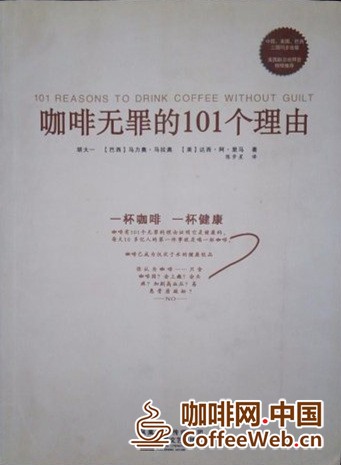
Professor Hu Dayi, a leading cardiovascular specialist, once published a book, 101 Reasons Why Coffee Is Innocent. Its central arguments are as follows:
- It rejects the traditional view that “coffee is harmful”, pointing out that caffeine is not the same thing as coffee: coffee is a natural drink with a complex mix of compounds.
- Moderate drinking (3-4 cups a day, no more than 500 mg of caffeine) is safe and beneficial; only excess (over 600 mg a day) carries risk.
- Coffee is the healthiest drink after water, ahead of soft drinks, beer and energy drinks.
- The chlorogenic acid in coffee is strongly antioxidant and anti-inflammatory and protects blood vessels.
- Caffeine sharpens alertness, improves cognition and raises metabolism.
- Coffee also contains potassium, iron, zinc, niacin, protein, amino acids and other beneficial components.
- Coffee lowers the risk of cardiovascular disease and stroke, improves the vascular endothelium and acts as an antioxidant.
- It lowers the risk of type 2 diabetes, promotes fat breakdown and helps with weight management.
- It lowers the risk of Parkinson’s and Alzheimer’s disease and slows cognitive decline.
- It lowers the risk of liver, ovarian and colorectal cancers, among others.
- It reduces the risk of fatty liver and cirrhosis and counteracts fibrosis.
- It lowers the risk of depression and suicide and lifts mood and concentration.
- It improves endurance, reduces exercise fatigue and increases muscle strength.
- Black coffee aids digestion and helps prevent constipation.
- Normal drinking does not impair calcium absorption; at 1-2 cups a day no extra calcium is needed.
- A healthy adult should drink no more than 3-4 cups a day (250 ml per cup), with caffeine at or below 500 mg.
So, having read all that — how about a cup?
If you found this useful, do pass it on to family and friends.
Follow “Guo Yifang’s Heart Frontline” for useful health tips every day.
(Guo Yifang, Hebei Provincial People’s Hospital)
Original title: “What Does a Daily Cup of Coffee Do to Your Body?”
Reprint Note & Disclaimer
- This article is reprinted from Chinese media for information and cultural exchange. The views expressed are those of the original author and do not necessarily reflect the position of coffeeyo.com.
- All trademarks, brand names and logos mentioned belong to their respective owners.
- For cooperation, reprint or correction requests, please contact coffeeyo.com.
Reprint Notice & Disclaimer
- This article has been edited and compiled by China Coffee Network. The information and images therein come from public sources and the copyright belongs to the original author. This reprint is intended solely for information sharing within the coffee industry and does not represent the views of this website; all data and opinions are subject to the original article. Our thanks to the original author for creating and sharing it.
- For matters concerning content licensing, attribution, copyright or otherwise, please contact us promptly and we will verify and cooperate in handling them as soon as possible. We also welcome coffee origins, brands and industry media to exchange ideas and contribute articles.
- Contact China Coffee Network: Tel 400-0000-641 (+86-18288016826) | Email 405854472@qq.com | Address: Jinghong, Xishuangbanna, Yunnan Province / Tieling, Liaoning Province
Related Reading
 How ‘Sea-Flavored’ Coffee Blooms Across Dongtou
- Health Guide: How to Enjoy Your Coffee the Healthy Way
 Study: Regular Coffee and Tea May Lower Dementia Risk, but More Is Not Better
 Frontline Story: A ‘Mobile City Coffee Bar’ Arrives by the Grand Canal
 Yantai’s Wind Tastes of Coffee
 In Zhenyuan, a Cup of Coffee and a Waiting Train







 Liaoning ICP Security No. 21122402000217