
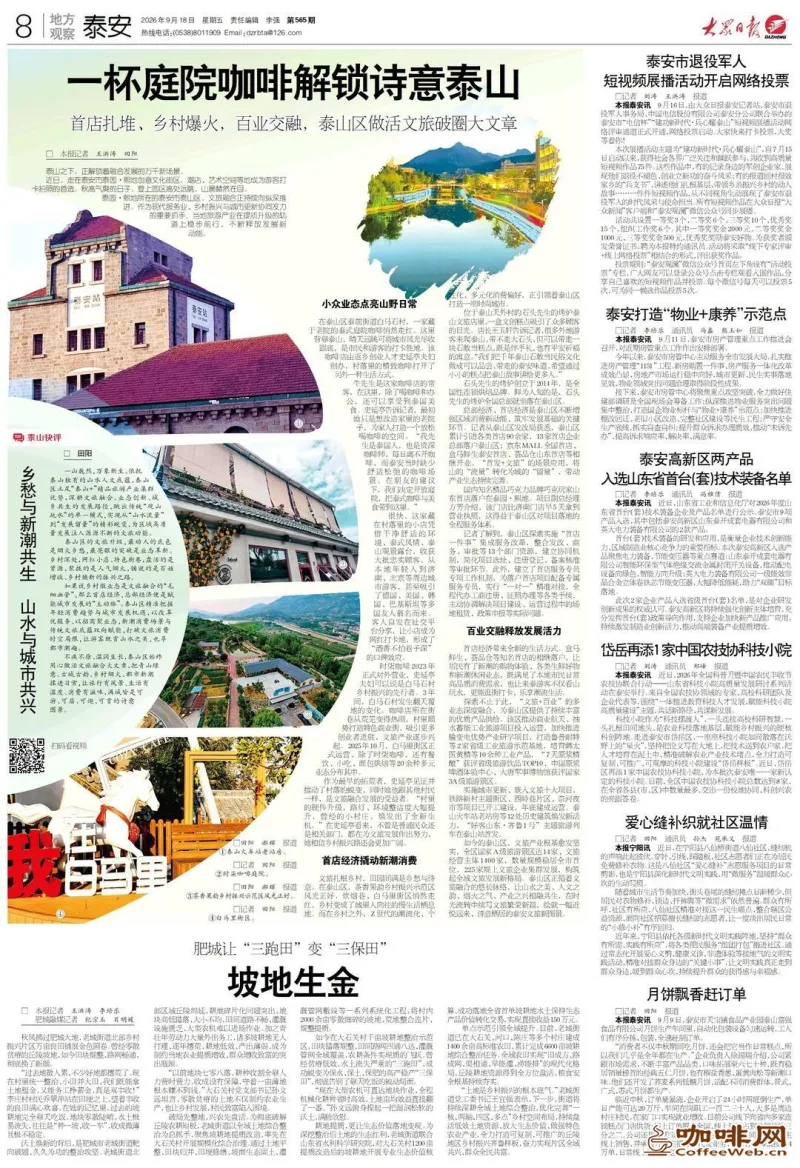
Brief (coffeeyo.com): Beneath Mount Tai, Taishan District of Tai’an is rewriting the cultural-tourism playbook: a Thai-style courtyard café in a old village drew crowds and sparked a whole creative block, while “first-store economy” and headquarters attraction are converting mountain “traffic” into urban “retention.”
At the foot of Mount Tai, a myriad of new integrated-development scenes are being unlocked.
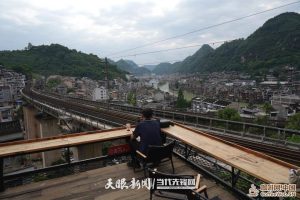
Recently, walking through the Taiyuan·Xidi Creative Culture Block in Tai’an, trendy shops and art spaces have become visitors’ top picks for photos. On a crisp autumn day, climbing to a high point of the block and looking into the distance, the mountain scenery leaps into view.
The Taiyuan·Xidi block sits in Taishan District, where cultural-tourism integration keeps pushing deeper. As a key lever coordinating modern services, rural revitalization and urban renewal, the local tourism industry advances steadily on a quality-upgrade track, continuously releasing new development momentum.
Niche formats light up mountain-wild daily life
In Baimashi Village, Taiqian Subdistrict, Taishan District, a Thai-style courtyard café hidden in an old courtyard has quietly gone viral. Backed by Mount Tai, on clear days it offers a sweeping view of the city—a check-in destination for locals and tourists alike. Founded by returning entrepreneurs Shi Yanting and her husband, the refined café in the village opens another way of living.
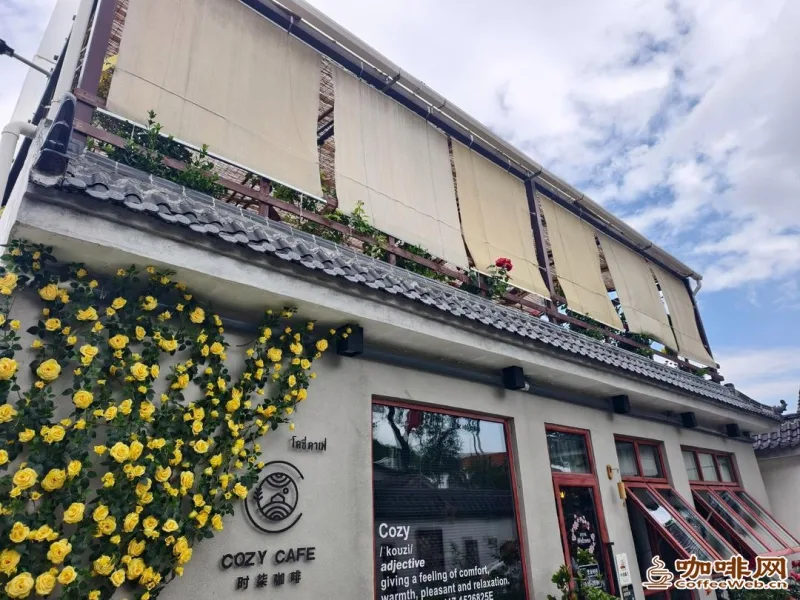
Mr. Niu is a regular at this café. Besides drinking coffee and working, he can also enjoy Thai cuisine here. Shi Yanting told the reporter that originally she only wanted to renovate the family’s old courtyard into a relaxing coffee space for her family. “My husband is Thai and a senior barista who can’t live without coffee, while Tai’an then lacked a comfortable, relaxed coffee scene. On a friend’s suggestion, we decided to open the courtyard and bring Thai coffee and food here.”
Soon, the small shop tucked in the village won a large loyal following with its clean, comfortable environment, Thai flavor and Mount Tai viewing terrace—from local young people to visitors from nearby cities like Jinan and Beijing, even attracting friends from Germany, the United States, South Korea and Pakistan by reputation. Guests spontaneously shared on social platforms, turning the shop into an internet-famous check-in spot and creating a “good wine needs no bush” word-of-mouth effect.
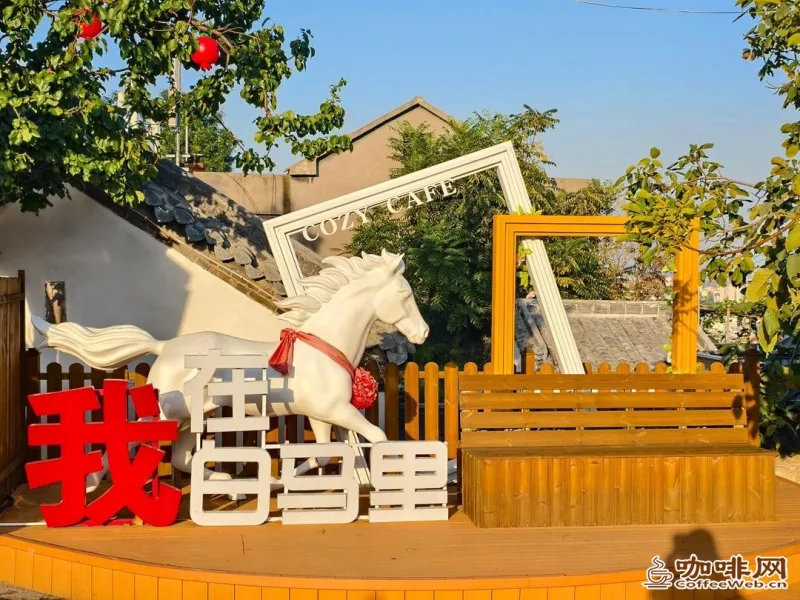
Shiqi Coffee (Time Seven Coffee) officially opened to the public in 2023; the Shi couple can be called pioneers of Baimashi Village’s rural revitalization. In three years, Baimashi Village has been transformed beyond recognition. The street where the café sits went from desolate to lively; the village seized the moment to build a distinctive commercial street, attracting more entrepreneurs, and a cultural-tourism industry gradually emerged. In October 2025, the Baili (White Horse) block officially opened, with more than 20 diverse formats—food and drink, snacks, bakery—alongside Shiqi Coffee.
As the earliest trailblazer, Shi Yanting witnessed and drove the village’s transformation, and like other villagers she is a beneficiary of cultural-tourism integration. “The village’s hardware was upgraded; streetlights and environmental tidiness improved markedly. The once-small village has burst with brand-new vitality.” In her view, whether ordinary people or relevant departments, all are working for cultural tourism, and she believes the village’s revitalization road will only broaden.
First-store economy leverages new-trend consumption
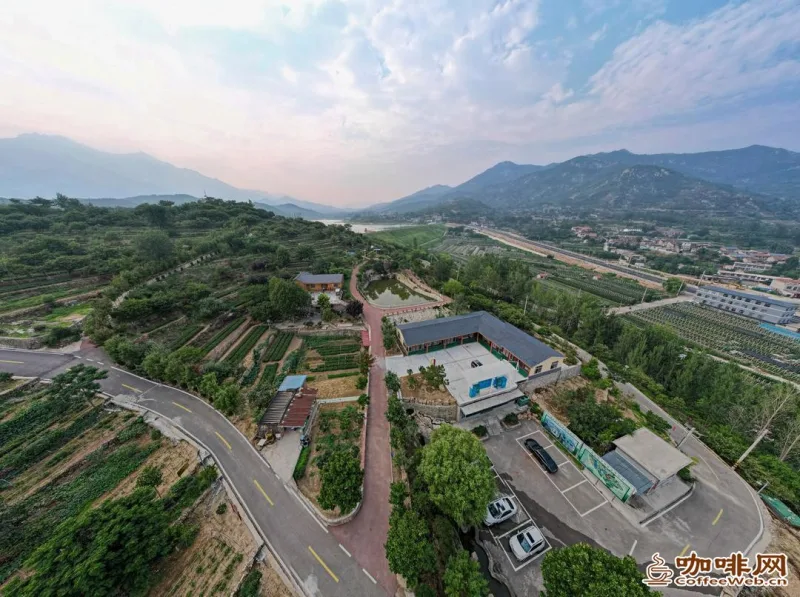
Cultural tourism takes root in the countryside, where fields are full of nostalgia and poetry. In Taishan District, the Tea-Aroma Fruit-Rhyme rural-revitalization demonstration zone enjoys fine scenery; Smoking Alley and the Baili block have quietly gone viral; the village has become a slow-living habitat urbanites yearn for. Beyond the countryside, however, Gen-Z’s trendy, personalized and diversified consumption preferences are leading Taishan District to build a fashionable city.
At “Stone Master’s Bakery” Taishan cultural-tourism store by Tianwai Village at Mount Tai, a box of cultural-creative pastries caught many customers’ eyes. Store manager Wang Yuxuan told the reporter that many out-of-town visitors come to climb Mount Tai; they can’t take the big rock away, but they can take a piece of Stone-Gandang pastry—both a souvenir and a token of peace and blessing. “We turned the millennial Mount Tai Stone-Gandang folk culture into a T’ai’an flavor you can taste and take away, hoping a small pastry tells Mount Tai’s story to more people.”
Stone Master’s Bakery was founded in 2014 and is a national chain bakery brand. Little known is that its national headquarters sits right in Taishan District.
Headquarters economy and first-store economy are key links for Taishan District to keep strengthening regional consumption momentum and consolidating its development foundation. The reporter learned from Taishan District’s Development and Reform Bureau that the district has introduced over 90 various first stores and attracted 13 first-store enterprise headquarters; JD MALL’s national first store, Hema Fresh’s Tai’an first store, and Huipin Warehouse’s Shandong first store have opened one after another. The “first-launch + cultural tourism” scene application converts the mountain’s “traffic” into the city’s “retention,” driving the industry ecosystem to keep improving.
The well-known premium-chocolate brand ChocPlay’s Shandong first store settled in Taiyuan·Xidi. Project deputy general manager Fang Fang explained that this store got its business license only five days earlier than the Jinan store, thanks to Taishan District’s full-process service system for project landing.
The reporter learned that Taishan District has explored and implemented a “first-store one-thing” integrated-service reform, pooling resources from 13 departments—development and reform, commerce, approval—to build a coordination mechanism and simplify approval steps such as site selection, registration and filing. It also established a dedicated first-store service-commissioner mechanism, assigning exclusive commissioners to landed first-store projects for one-on-one precise docking, handling industrial-commercial registration and licensing on their behalf throughout, and proactively coordinating practical problems in site leasing and policy application during construction and operation.
All trades blending release development vitality
The first-store economy brings entirely new lifestyles. The successive landing of well-known first stores like Hema Fresh and Huipin Warehouse gives residents new-trend shopping experiences, various fresh goods and trendy leisure formats—satisfying local citizens’ daily high-quality consumption needs while letting Tai’an visitors not only see mountains and water but also stroll, check in and enjoy trendy life.
Exploration goes further: the “cultural tourism + all trades” deep multi-format integration supplies Taishan District with continuously rich, quality products. The district has put into operation commercial-spaceflight and pumped-storage industrial-tourism projects, accelerated research-and-study projects leveraging its power-transmission advantage, built two provincial-level industrial-tourism demonstration bases such as Lupu Naite, and cultivated more than 10 industrial products such as Han Taiyi Huangjing; “7-Day Original Wort Craft Beer” was rated among the province’s top-10 tourism drinks, and the China Original-Wort Beer Experience Center and the Datang Military Museum were rated as national 3A-level scenic spots.
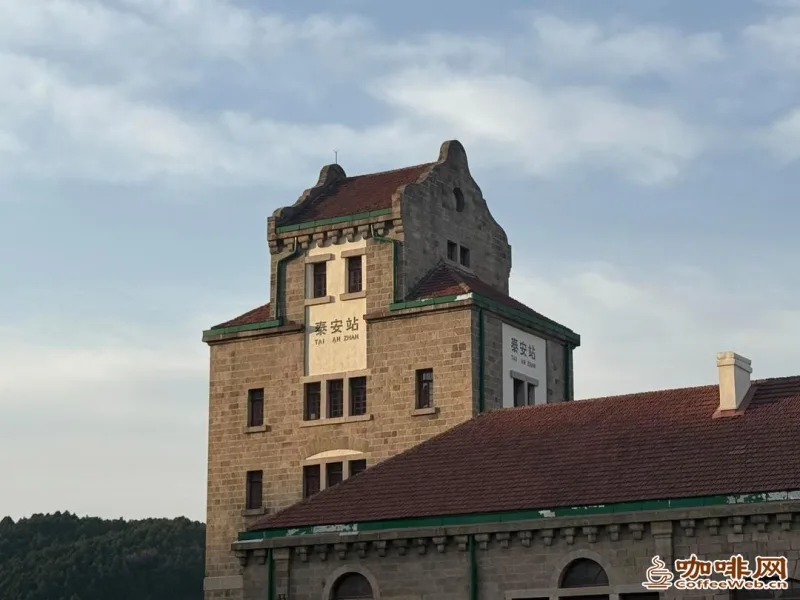
Implementing urban renewal and embedding ten cultural-tourism projects, the Railway New Village themed block, Xiling Lane area and Naihe Night Market have started construction and will be completed and operational by year-end. Twelve historical buildings including the old Tai’an Railway Station building have regained new vitality, and the “Hospitable Shandong · Qilu No.1” themed tourist train debuted at Tai’an Station.
Today’s Taishan District has an increasingly solid cultural-tourism foundation: 14 national A-level scenic spots, 1,400 cultural-tourism business entities—both leading the city in number and scale—and 225 above-scale cultural-tourism enterprises clustering and developing, building an all-area cultural-tourism new pattern. Following the long thread of cultural-tourism integration, Taishan District lets the beauty of landscape, the charm of humanity, the warmth of daily life and the prosperity of industry blend and coexist, continuing to write a new chapter of cultural-tourism prosperity through the passage of time, and painting a Tai’an cultural-tourism picture of near-delight and far-attraction, poetic dwelling.
(Dazhong News reporters Wang Hongtao and Tian Yang)
Nostalgia and new-trend coexist; landscape and city prosper together
A mountain stands majestically, all things are reborn. Relying on Mount Tai’s unique landscape and cultural heritage, Taishan District anchors itself on the “Mount Tai+” premium-tourism industry-cluster advantage, deeply cultivates the development path of cultural-tourism integration, format innovation and urban-rural symbiosis, leaps beyond the traditional single “sightseeing” model, and realizes a brilliant transformation from “landscape traffic” to “development retention,” injecting endless cultural-tourism momentum into regional high-quality development.
The most touching underpinning of Taishan District’s cultural-tourism upgrade is the warm nostalgia of daily life; the brightest breakthrough is format innovation. Deep in the countryside, internet-famous small shops and distinctive alleys revitalize resources, gather popularity and warm daily life, and pave a revitalization road of villagers’ income growth and village renewal.
If rural micro-formats are the “capillaries” of cultural-tourism integration, then first-store economy and headquarters economy are the “aorta” empowering urban development. Precisely grasping young-consumption trends and urban-development opportunities, Taishan District uses reform to optimize service and investment to gather formats; new-trend consumption scenes and traditional cultural-tourism heritage empower each other bidirectionally, breaking the time-space limits of cultural-tourism consumption, letting visitors both enjoy landscape beauty and urban trendy fun.
Unhurried and gently growing, Taishan District always works to make the big cultural-tourism essay come alive—blending green hills, ancient-city charm, rural warmth and urban new-trend into daily life, so travel has scenery, life has warmth, and consumption has flavor, and the whole city becomes a poetic picture of places to tour, dwell, stroll and appreciate.
(Dazhong News reporter Tian Yang)
Reprint Note & Disclaimer
- This article is reprinted from Chinese media for information and cultural exchange. The views expressed are those of the original author and do not necessarily reflect the position of coffeeyo.com.
- All trademarks, brand names and logos mentioned belong to their respective owners.
- For cooperation, reprint or correction requests, please contact coffeeyo.com.
Reprint Notice & Disclaimer
- This article has been edited and compiled by China Coffee Network. The information and images therein come from public sources and the copyright belongs to the original author. This reprint is intended solely for information sharing within the coffee industry and does not represent the views of this website; all data and opinions are subject to the original article. Our thanks to the original author for creating and sharing it.
- For matters concerning content licensing, attribution, copyright or otherwise, please contact us promptly and we will verify and cooperate in handling them as soon as possible. We also welcome coffee origins, brands and industry media to exchange ideas and contribute articles.
- Contact China Coffee Network: Tel 400-0000-641 (+86-18288016826) | Email 405854472@qq.com | Address: Jinghong, Xishuangbanna, Yunnan Province / Tieling, Liaoning Province
Related Reading
 How ‘Sea-Flavored’ Coffee Blooms Across Dongtou
- Health Guide: How to Enjoy Your Coffee the Healthy Way
 Study: Regular Coffee and Tea May Lower Dementia Risk, but More Is Not Better
 Frontline Story: A ‘Mobile City Coffee Bar’ Arrives by the Grand Canal
 Yantai’s Wind Tastes of Coffee
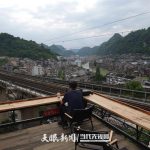 In Zhenyuan, a Cup of Coffee and a Waiting Train



 Liaoning ICP Security No. 21122402000217