
Brief (coffeeyo.com): In this TOPBRAND roundup: AI jewelry brand Shakespeare closes an angel round; Tibet Development takes full control of Lhasa Beer; Starbucks weighs selling its Japan majority stake; Costco and Uber widen their US delivery tie-up; and Nestlé doubles down on cold coffee.
Source: Jiemian News. Editor: summer.
Brand Moves

AI jewelry brand “Shakespeare” completes tens-of-millions angel round. According to Yingke, Shakespeare (SHAKESPEARE) recently closed a tens-of-millions-yuan angel round. The round was jointly led by Jixuan Intelligence — an Honor AI Connect ecosystem company — and Ruiyu Holdings, a leading domestic jewelry DP service provider. The funds will go mainly to core-algorithm iteration, multimodal emotional-interaction model R&D, new-category jewelry craft upgrades, and building out global sales channels.

Founded in December 2025, Shakespeare’s founder and CEO is Yang Xunzhong, who brings years of consumer-brand operating experience and previously served as COO of Inman, founder of Inman Underwear, and general manager of Hanhoo. Core team members come from Tsinghua, Peking, the Chinese Academy of Sciences, Fudan, Zhejiang, and other institutions, spanning AI, computer science, medical psychology, consumer brands, and jewelry aesthetics. (Brand Ark)
Editor’s take: This round validates capital’s recognition of the AI + consumer new-category bet. The team blends AI research with mature consumer-brand operating chops, with a real shot at breaking traditional jewelry’s pain points of heavy offline presence and long design cycles. The hard part is turning AI-generated designs into manufacturable processes and building a sustainable brand premium — the real test ahead is technology landing, not concept marketing.

Lawn-mowing robot company “Laifeng Robotics” closes angel round.

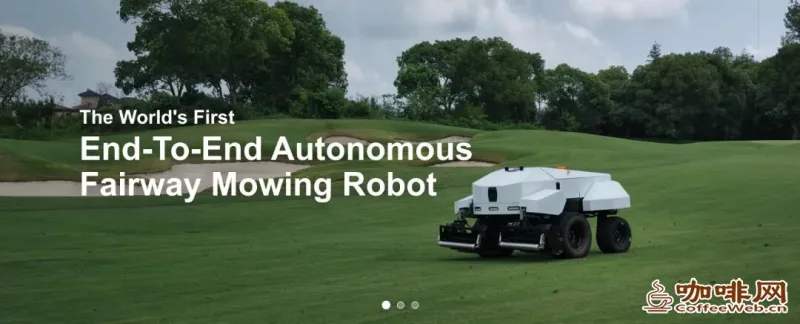
On September 16, Laifeng Robotics announced a tens-of-millions-yuan angel round, with Yuda Capital as investor. The funds will mainly build overseas sales and service teams and push forward R&D on harder products such as green-speed mowers and rough-cut mowers. Founded in 2022, Laifeng’s team has hands-on experience in autonomous-driving algorithms, full-machine hardware structure design, and overseas project deployment. (Brand Ark)
Editor’s take: Capital keeps betting on outdoor service robots going global. Overseas lawn-care markets show strong willingness to pay, making them a priority beachhead for domestic robot makers. Funding the overseas team first helps grab North American and European yard and golf-course scenarios quickly; the challenge is product stability on complex terrain and building an overseas after-sales network amid fierce foreign competition — differentiation is the only way to pull ahead.
AI toy company “Leimeng Technology” closes ten-million-level angel round.
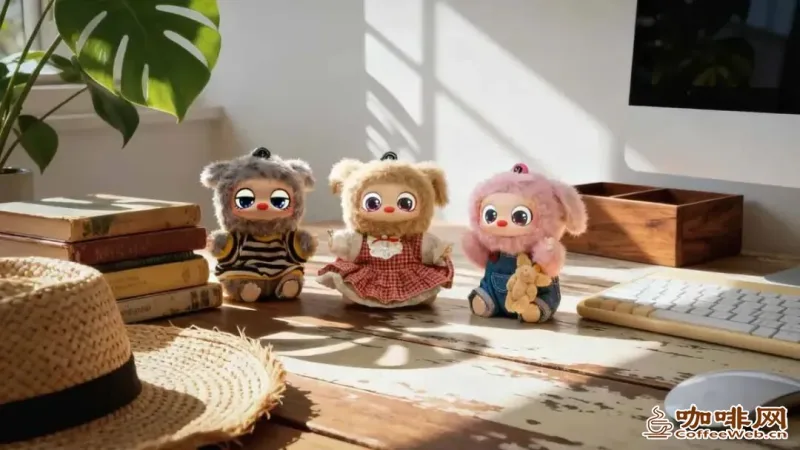
Recently, Leimeng Technology closed a ten-million-level angel round, jointly led by Fashion Media Group and Hongyi Asset Management Group; proceeds will go mainly to product iteration, content-ecosystem building, and channel expansion. Founded in January 2025, Leimeng works across AI robot R&D, consumer-product design, and IP operations, with its core AI-toy brand being bibo. (Brand Ark)
Editor’s take: AI toys are entering a capital-acceleration phase. The hardware + IP + AI-interaction model breaks the static-collectible logic of traditional toys, adding ongoing interactive content to lift user stickiness. Backing from fashion media and asset managers empowers IP content and brand communication. The risk: AI hardware toys broadly face high cost and weak repurchase; whether hit IPs can be produced consistently decides if the model works.
Brand Moves (continued)

Tibet Development takes full control of Lhasa Beer.
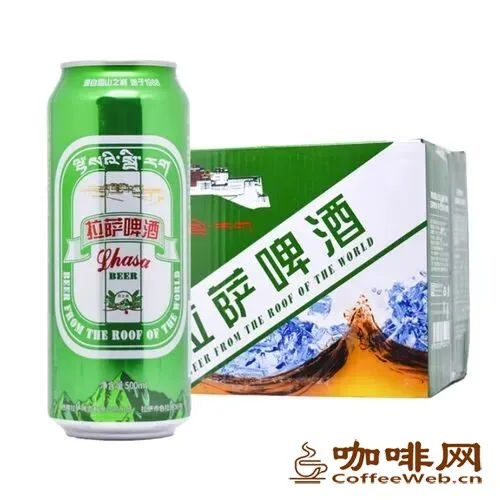
On September 17, Tibet Development released a draft reorganization plan showing it had completed, on August 20, the acquisition of the 50% stake in Lhasa Beer held by Carlsberg International, achieving full control; if the plan is approved, the industrial-investor controlling shareholder commits to donating the Lhasa Economic Development Zone’s 300,000-ton beer industrial base to the listed company within six months. Data shows Lhasa Beer sold about 72,000 tons in 2025, up 35.85% versus before pre-reorganization, with about 21% market share in the Tibet Autonomous Region; as planned new lines and the 300,000-ton capacity are released, scale should grow further. (Beijing Business Today)
Editor’s take: The listed company’s control of Lhasa Beer lands a regional liquor-asset consolidation. Leaning on strong local brand recognition plus the planned capacity base, it can further cement its leading position in Tibet’s local beer and radiate into the Southwest. But regional beer brands hit a clear geographical ceiling; cross-region expansion is hard, and as capacity releases it must face pressure from national brands — capacity utilization is the key metric to watch.

Starbucks weighs selling a majority stake in its Japan business.

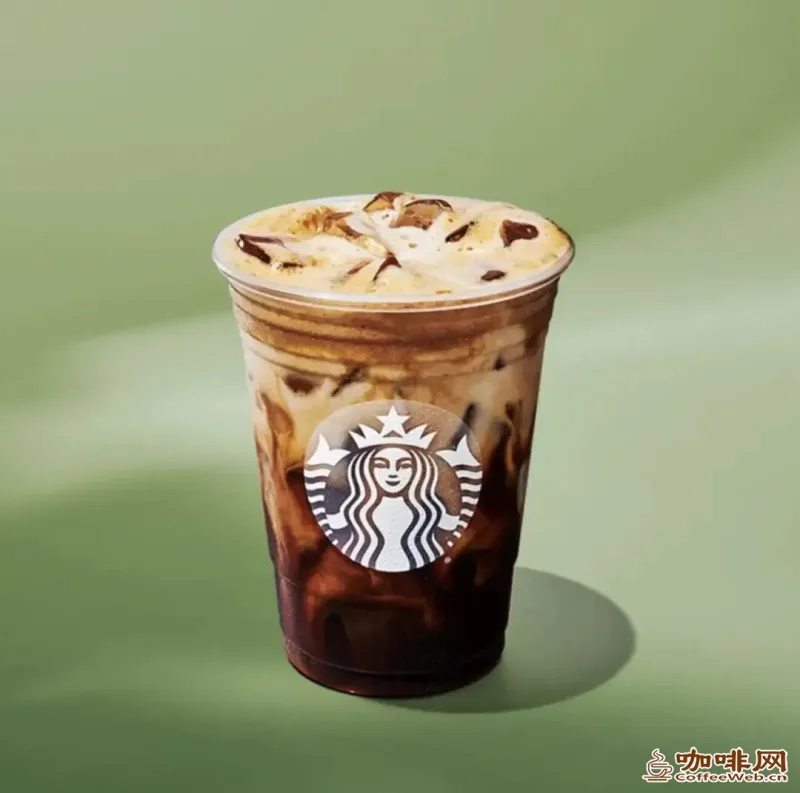
According to Reuters, Starbucks is considering selling a majority stake in its Japan business, with the potential deal valuing that business at about 3 billion US dollars (around 20.3 billion yuan). Starbucks has consulted several financial advisers on disposition, is willing to sell a majority stake, but the final shareholding and valuation remain under negotiation; a formal sale process could start as soon as the fourth quarter this year. As of September 2025, Starbucks Japan had 1,883 stores — nearly 9% of the global total and its largest wholly-owned market outside the US. Having just sold a majority stake in its China business for about 4 billion US dollars, the Japan deal would follow the China and Korea playbooks: keep a minority stake and stay involved in operations to preserve brand influence and operating participation. (Reuters)
Editor’s take: Starbucks keeps advancing its global “asset-light” strategy, replicating the Japan equity-sale model after China. Japan’s large store base and stable cash flow let a majority-stake sale recoup a large sum at once while keeping a minority stake for brand voice. The risk: after handing over operations, control over store quality and brand tone weakens, and the local partner’s operating capability will directly shape long-term revenue.
US spirits group Sazerac in talks to acquire Germany’s Berentzen.

On the evening of September 16, German beverage firm Berentzen-Gruppe confirmed it is in talks with US spirits group Sazerac over a potential acquisition; Sazerac intends to launch a public takeover offer for all outstanding shares. After the news, on September 17 Berentzen’s shares jumped about 22%, a 14-month high, with a market cap of about 35 million euros (around 273 million yuan) at the September 16 close. Founded in 1758 and headquartered in Haselünne, Germany, Berentzen produces spirits, non-alcoholic drinks, and fresh-juice systems, owns brands including Berentzen, Puschkin, and Strothmann, is a German top-3 liqueur brand and one of Europe’s largest private-label spirits producers, with annual output over 90 million bottles. Sazerac, headquartered in Kentucky, owns Southern Comfort and Buffalo Trace, among others, and has been active in European M&A. (Reuters)
Editor’s take: A major US spirits group’s move to double down on Europe’s local liqueur track. Berentzen brings mature local brands and stable capacity; the acquisition helps Sazerac fill out its European brand matrix and lower market-entry costs. If it lands, Europe’s liqueur landscape may reshape — but cross-border M&A carries integration risk, and blending brand culture and channel systems will test group management.
CHAGEE x CLOT launch co-branded matcha series.

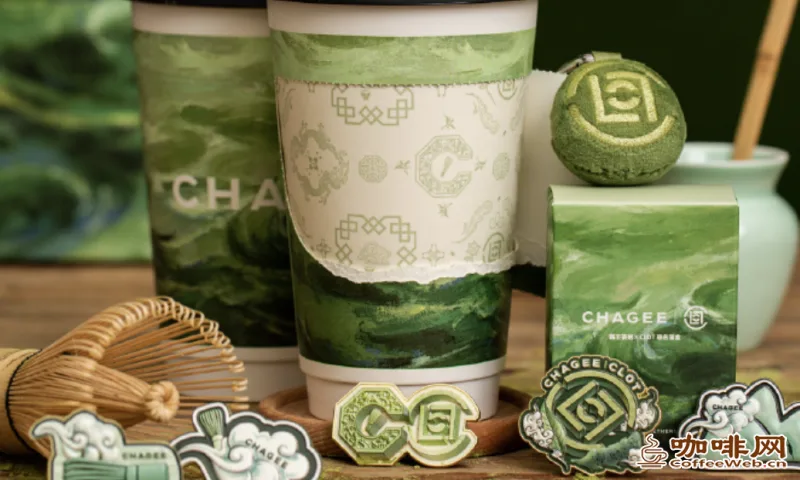
Recently CHAGEE teamed with CLOT — the brand led by Edison Chen — on a matcha-themed collaboration, built around three new matcha drinks and extending into co-branded packaging, limited merch, and interactive mechanics. CLOT deeply participated in the overall visual design, bringing its signature design language into everyday consumer touchpoints like packaging and cup bodies; a tearable cup sleeve and included blind-box merch enrich the collaboration’s content, so the experience and emotional value go beyond visuals and flavor.
Since its 2003 founding, CLOT has kept injecting Eastern-aesthetic narratives into products and, through apparel, sneakers, and street culture, translated familiar traditional elements into a design language closer to contemporary contexts. (Brand official)
Editor’s take: New tea drinks crossing over with trend IPs aim to lift brand tone and create social buzz, reaching trend-minded youth. CLOT’s Eastern-aesthetic streetwear DNA fits CHAGEE’s “Eastern tea” positioning well; bigger than any short-term sales lift is the brand-image upgrade. But collaborations broadly suffer from short-lived hype — the follow-up must turn collab traffic into long-term users, not just one-off check-in consumption.

Costco and Uber expand cooperation.

On September 16, Uber and Costco announced a major expansion of their US partnership: Costco delivery on Uber Eats expands from 17 states to 47, with nearly 600 warehouse stores brought onto the platform, supporting instant and scheduled delivery. After binding a Costco membership account, shoppers can buy fresh food, bulk groceries, and household goods with member benefits; consumers can also buy Costco membership directly via Uber Eats and get 50% off an annual Uber One membership. (Uber official)
Editor’s take: This expansion means warehouse clubs further lean on third-party platforms to shore up instant-fulfillment capacity, while giving Uber a more scaled grocery supply — competing more directly with Instacart, DoorDash, and the like.


Nestlé targets the cold-coffee track.
Recently Nestlé noted cold coffee has become one of its growth platforms: half of North American Gen Z have a cold first cup; one in three out-of-home coffees globally is iced; 60% of US past-day specialty-coffee drinkers had a cold specialty coffee in the past week. The global cold-brew market will be worth nearly 4 billion US dollars (about 27.1 billion yuan) in 2026 and is expected to double by 2031. To that end Nestlé launched Nescafé Espresso Concentrate, expanded the Nespresso Over Ice line and Starbucks Coffee Craft concentrate, and developed a patented freeze-dry technology (with nitrogen injection) that lets quality instant coffee dissolve smoothly in cold liquid, alongside Nescafé Ice Roast cold-soluble instant coffee. (Nestlé official)
Editor’s take: Nestlé makes cold coffee a core growth lever, riding the global iced-coffee trend. The track’s upside is clear, but competition is fierce as specialty and local upstarts keep siphoning users; Nestlé must balance convenience and flavor to hold its mass-market share.
People Moves

LVMH boss’s second son joins Nike’s board.

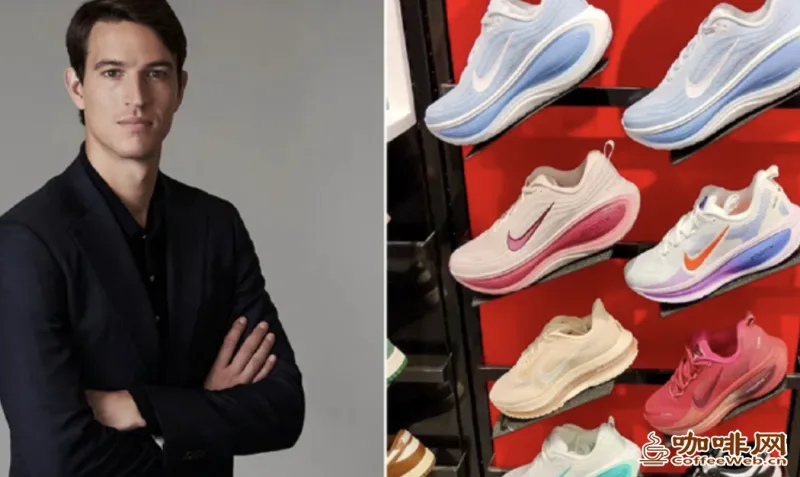
Recently Nike announced the appointment of Alexandre Arnault to its board. The second son of LVMH chairman and CEO Bernard Arnault, he is currently deputy CEO of LVMH’s wines and spirits division, a post he has held since February 2025. Before this role, Alexandre Arnault spent four years as executive vice president of product, communications, and industrial affairs at Tiffany & Co., playing a key role in the brand’s revival, and earlier led LVMH’s acquisition of Rimowa and served four years as its CEO. (Brand official)
Editor’s take: Arnault understands how some of the world’s most iconic brands deepen consumer connection and drive long-term growth; his innovation and digital-transformation experience will be an asset, helping sharpen competitive edge and accelerate Nike’s next growth chapter worldwide.
Reprint Note & Disclaimer
- This article is compiled and edited by coffeeyo.com. The materials and images herein are sourced from public channels and the copyright belongs to the original authors. This site reprints them solely for information sharing within the coffee industry and does not represent our stance; all data and views are subject to the original source. We thank the original authors for their work and sharing.
- For matters concerning content authorization, attribution, copyright, or any other issues, please contact us promptly. We will verify and cooperate in handling them without delay. We also welcome coffee-growing regions, brands, and industry media to exchange and contribute articles with us.
- Contact coffeeyo.com — Tel: 400-0000-641 (+86-18288016826) | Email: 405854472@qq.com | Address: Jinghong City, Xishuangbanna, Yunnan / Tieling City, Liaoning
Reprint Notice & Disclaimer
- This article has been edited and compiled by China Coffee Network. The information and images therein come from public sources and the copyright belongs to the original author. This reprint is intended solely for information sharing within the coffee industry and does not represent the views of this website; all data and opinions are subject to the original article. Our thanks to the original author for creating and sharing it.
- For matters concerning content licensing, attribution, copyright or otherwise, please contact us promptly and we will verify and cooperate in handling them as soon as possible. We also welcome coffee origins, brands and industry media to exchange ideas and contribute articles.
- Contact China Coffee Network: Tel 400-0000-641 (+86-18288016826) | Email 405854472@qq.com | Address: Jinghong, Xishuangbanna, Yunnan Province / Tieling, Liaoning Province
Related Reading
 ‘All-Ice’ Coffee Goes Viral! Will the Next Hit Be Your Personal Favorite?
- Hong Kong’s Dyee Coffee Lands in Qianhai, Building a Specialty Pour-Over Outpost
 Ken Yue Coffee Opens Egg-Tart Pop-Up in Hangzhou: Sweet Craft, Reinvented Classics
 World Cup Enters the Breakfast Slot: Can Coffee-Tea Brands Turn Traffic into Orders?
- ICE Agricultural Futures Mostly Rise at Close; Coffee Futures Up 3.28%
- ‘Sleep Cafés’ Become a New Favorite Among Seoul Office Workers


 Liaoning ICP Security No. 21122402000217