
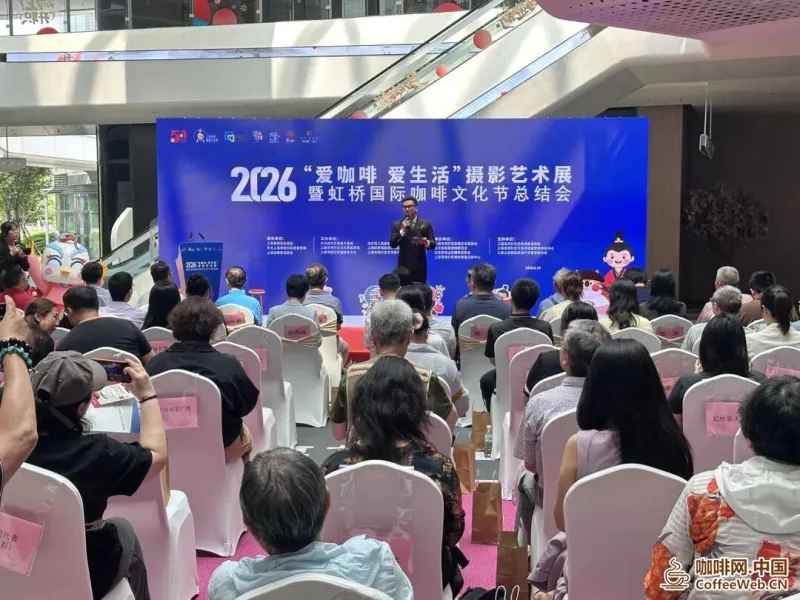
At a Glance (China Coffee Network): On June 18, the 2026 Hongqiao International Coffee Culture Festival officially concluded at “Youxiang + Xinhong Hui” in Xinhong Subdistrict, with the unveiling ceremony of the Hongqiao Image Art Museum held concurrently at the closing ceremony. Spanning nearly two months, the event deeply integrated “coffee + culture, commerce, tourism, sports, and exhibitions,” covering the whole of Xinhong, staging more than 30 themed activities, drawing a cumulative 7.75 million visits—up 16.1 percent year on year—and generating 420 million yuan in sales, up 15.7 percent year on year.
On June 18, the 2026 Hongqiao International Coffee Culture Festival officially concluded at “Youxiang + Xinhong Hui” in Xinhong Subdistrict, with the unveiling ceremony of the Hongqiao Image Art Museum held concurrently at the closing ceremony. Spanning nearly two months, the event deeply integrated “coffee + culture, commerce, tourism, sports, and exhibitions,” covering the whole of Xinhong, staging more than 30 themed activities, drawing a cumulative 7.75 million visits—up 16.1 percent year on year—and generating 420 million yuan in sales, up 15.7 percent year on year.
Since 2023, Minhang has hosted the Hongqiao International Coffee Culture Festival for four consecutive years. This year, the event became a major cultural brand written into the outline of Minhang District’s “15th Five-Year Plan” for development. From “event” to “platform” to “brand,” in just three years the Hongqiao International Coffee Culture Festival has completed a “triple jump.”
A ‘hyperlink’ to a cup of coffee
Unlike previous editions that focused on single commercial venues, this year’s festival greatly expanded its radius, using coffee as a link to connect multiple arenas—consumption, industry, scientific innovation, culture and tourism, and paired-up regional cooperation—creating an effect of blossoming at many points and resonating in synergy.
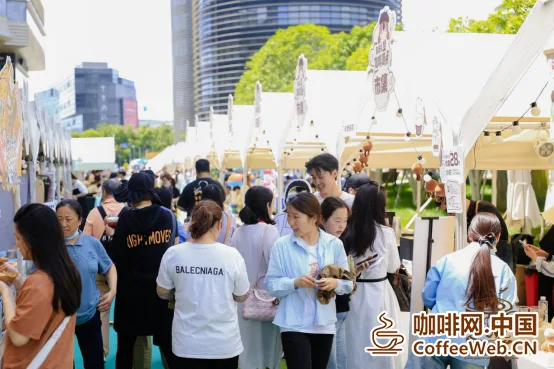
Over the nearly two months, as one of the key events of Minhang’s “Chunshen Beautiful Life Shopping Season,” the Hongqiao Coffee Culture Festival used a cup of coffee as its medium: coffee from roughly ten countries around the world was exhibited, and more than 800 companies took part offline. It linked up over 80 merchants across the district’s commercial complexes, hotels, and cultural and sports venues. During May, when the themed events were held, the hotel and accommodation sector recorded revenue of 71.6 million yuan, up 26.3 percent year on year, and “culture, commerce, tourism, sports, and exhibitions” became further integrated across the whole of Xinhong Subdistrict.
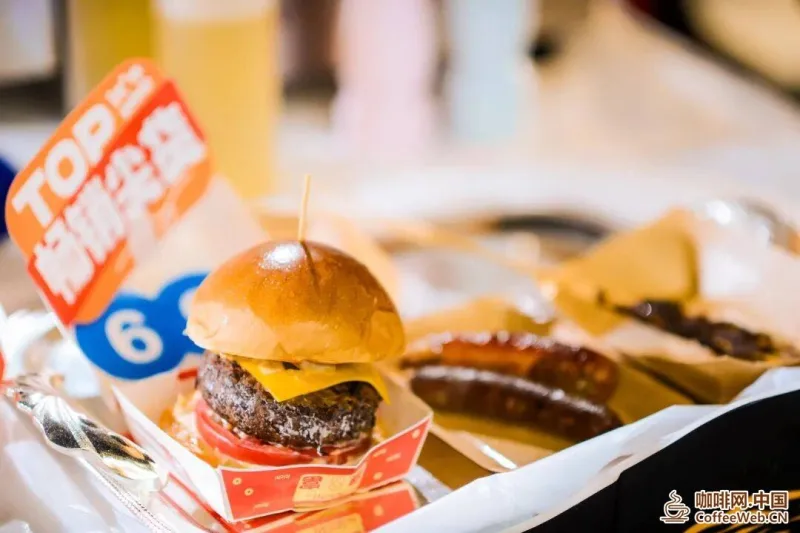
For example, Hongqiao Pinhui, on the strength of events such as the Hongqiao International Boutique Coffee Exhibition and the Green Bean Competition, saw foot traffic rise 30 percent year on year and sales rise 54 percent. The “Niu Niu International Food Festival” held at Hongqiao New World brought more than 30 beef dishes, achieving sales of 36.3 million yuan and 590,000 visits in five days;
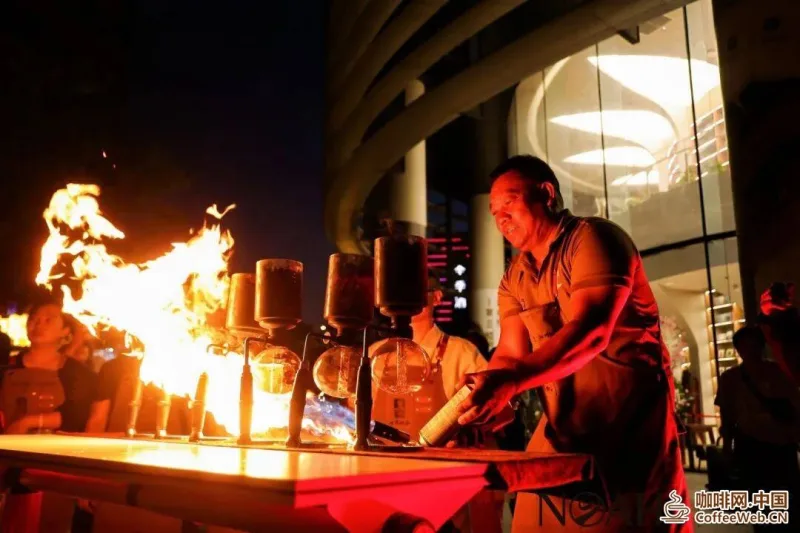
At the “Hao Pin Baoshan · Yunnan Baoshan Plateau Specialty Agricultural Products Market” in Hongqiao Libao Plaza, Yunnan Baoshan’s “Coffee Uncle,” who went viral online for his self-invented torch-fired siphon coffee technique, came to Shanghai for the first time to show his signature “fire-brewed coffee,” and the three-day market generated 1.28 million yuan in intended orders…
In particular, the themed market launched for the first time this year achieved sales of 203,500 yuan and 15,000 visits in three days, while a cross-sector tie-up with the International Tech Burning Man festival drew nearly a thousand young makers from six continents, generated more than 12,000 ecosystem interactions, and drove over 7 million yuan in sales.
Zhou Xingjun, director of the office of the Hongqiao International Coffee Culture Festival organizing committee and deputy secretary of the Xinhong Subdistrict Party Working Committee, said that these scattered, independent scenarios across the business district had formed a close-knit collaborative network thanks to a cup of coffee, building a full-scenario, immersive coffee consumption ecosystem and truly realizing the idea of “one cup of coffee linking a whole city.”
Formation of urban brand IP matrix
If the core goal of past festivals was to boost immediate consumption, this edition reveals a clearer cultural brand—the brand-new city IP “Fei Hong” made its official debut at this year’s festival.
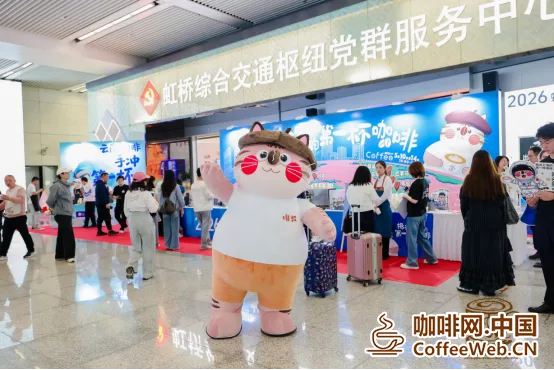
“Without an IP, a festival is just an annual event for residents and tourists; with a tangible IP character, the event brand becomes a ‘city friend’ that can keep residents company over the long run,” Zhou Xingjun said. The launch of a self-owned IP has injected sustainable cultural vitality into the coffee festival and become an important marker of Minhang’s rising cultural distinctiveness.
At the same time, the long-nurtured “First Cup of Coffee on Arriving in Shanghai” IP was fully upgraded this year. The event duration doubled compared with previous years: not only was free coffee handed out to arriving travelers at Hongqiao Airport and Hongqiao Railway Station for five consecutive days, but for the first time it also went large-scale into office towers and industrial parks. Over 13 days, nearly 6,000 cups of coffee were given away in total, more than the combined total of the previous three years.
A Permanent Art Space Sustains Long-Term Cultural Value
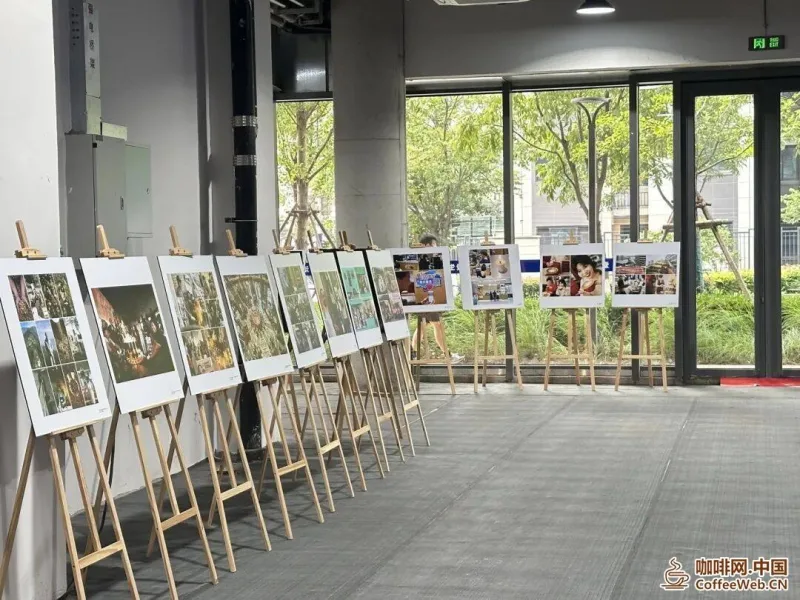
With the Hongqiao Image Art Museum unveiled at the same time, the 2026 “Love Coffee, Love Life” photography art exhibition became the museum’s inaugural show after its completion, and also left a permanent cultural vehicle for the coffee festival.
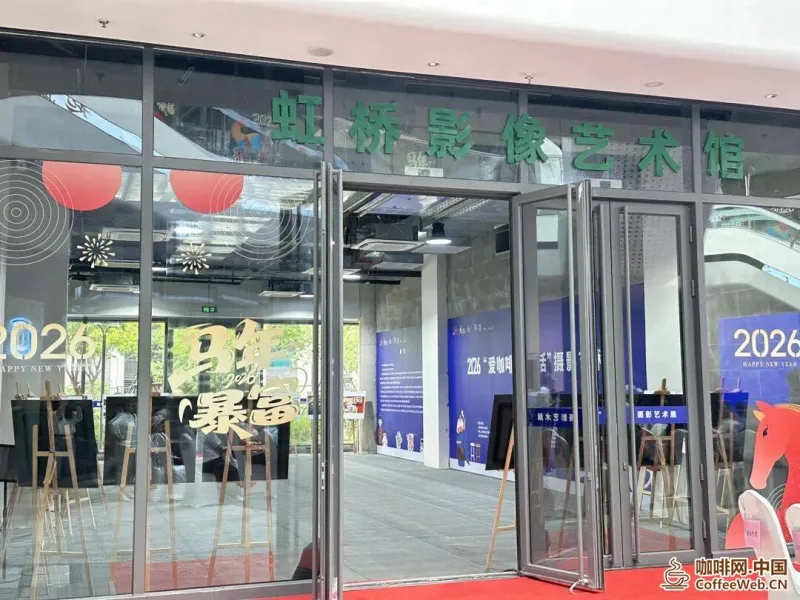
During the call for submissions, this year’s exhibition received 1,281 photographic and video works from 586 creators nationwide. Unlike past editions, which emphasized city panoramas and scenic views, this year’s award-winning works turned their lenses on the specific individuals behind coffee—pieces such as “Fire-Brewed Coffee: ‘Double Hongqiao Coffee Uncle’ Comes to Hongqiao” and “The Coffee at the First Stop in Shanghai” froze the focused expressions of baristas, the leisurely postures of consumers, and the figures of coffee farmers who had traveled from afar, making vivid individuals the undeniable protagonists of coffee culture.
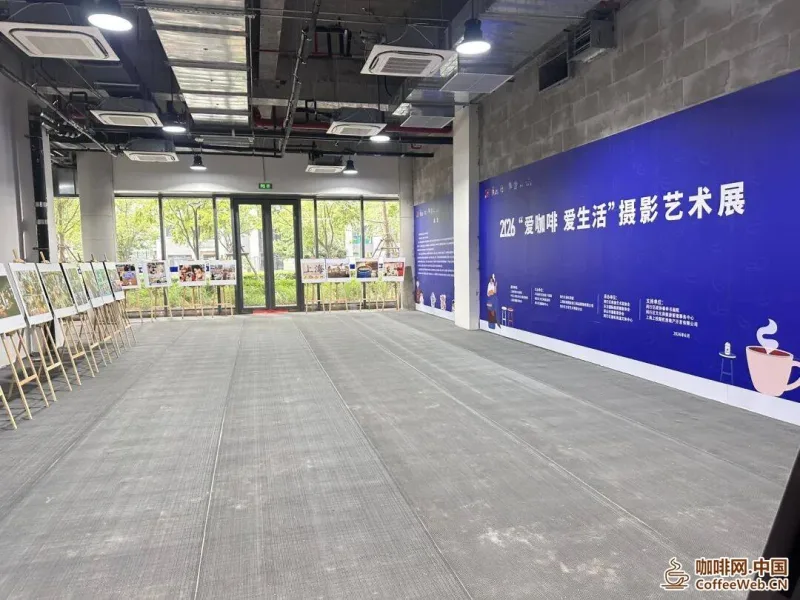
“Compared with the rich aroma of coffee, the vivid people behind it are even more captivating,” said Tao Zhijun, director of the professional committee of the Minhang District Image Artists Association. Across four editions of the coffee culture festival, focused on coffee culture, the photography exhibition has drawn more than 12,000 participants and over 7,200 submitted images. The combination of coffee culture and photographic art is both an emotional bond recording the good life and a cultural vehicle conveying the city’s inclusive character.
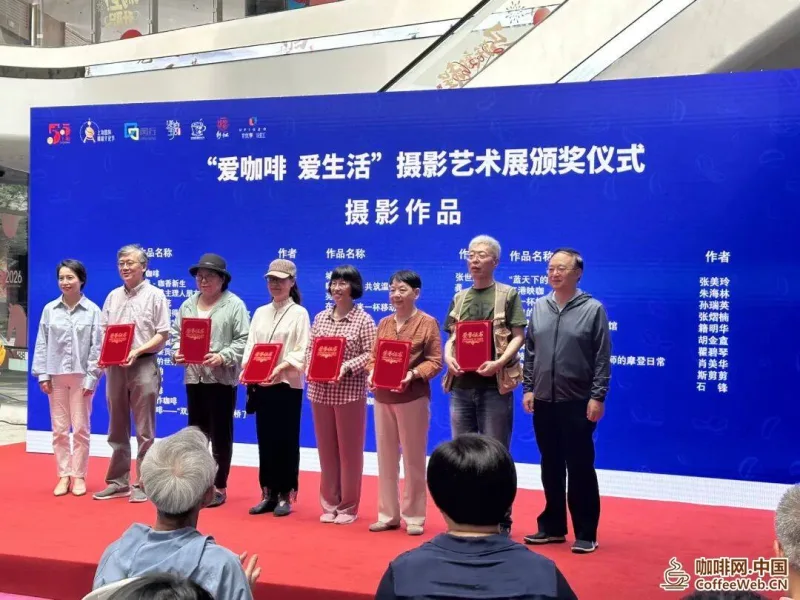
As a physical cultural space left behind by the coffee festival, the museum will hew closely to the cultural positioning of the Hongqiao International Central Business District (Minhang), regularly hosting quality art exhibitions on the back of major opportunities such as the ninth China International Import Expo, and building a diverse, open art platform serving Minhang’s “North First” strategy.
Zhou Xingjun said that this coffee journey focused on industry, talent, and culture will continue, and that the 2027 coffee culture festival has already entered the preparation stage.
Cao Jie, member of the district Party committee standing committee and head of the publicity department, attended the event.
Reporter: Mao Haiping
Material: Xin Hongyue
Reviewed by: Liu Kenbo, Fang Yubin
Reprint Notice & Disclaimer: This article is reprinted from Minhang District sources. All rights belong to the original publisher.
Related Reading
 ‘All-Ice’ Coffee Goes Viral! Will the Next Hit Be Your Personal Favorite?
- Hong Kong’s Dyee Coffee Lands in Qianhai, Building a Specialty Pour-Over Outpost
 Ken Yue Coffee Opens Egg-Tart Pop-Up in Hangzhou: Sweet Craft, Reinvented Classics
 World Cup Enters the Breakfast Slot: Can Coffee-Tea Brands Turn Traffic into Orders?
- ICE Agricultural Futures Mostly Rise at Close; Coffee Futures Up 3.28%
- ‘Sleep Cafés’ Become a New Favorite Among Seoul Office Workers


 Liaoning ICP Security No. 21122402000217