
At a Glance (China Coffee Network): Since 2025, Yunnan’s coffee consumption end has expanded rapidly: Kunming’s Wuhua, Panlong, Guandu, Xishan and Dianchi resort-area coffee shops together exceed 1,200; by July 2026 Luckin had 746 stores in Yunnan, and even Mengzi, a city of 600,000, has gathered over 210 cafés. The surge in stores is completing the final link of Yunnan coffee’s “grow well, sell well, drink it” industry chain.
In the first three quarters of 2026, Yunnan’s economy ran generally steady, agricultural production stayed stable, and specialty crops fared well; coffee, a pillar of Yunnan’s highland specialty agriculture, advanced steadily. “Yunnan Release,” together with Yunnan Daily and Yunnan Radio & TV, launched the column “JingJing LeDao” to talk economic hot spots and tell development stories—and this episode starts with the surge in Yunnan’s coffee stores.
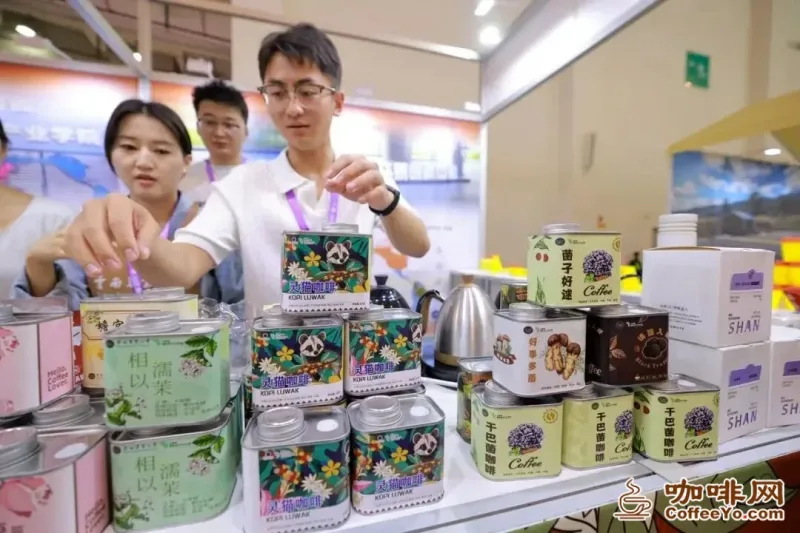
At Xingye Specialty Coffee’s Dianchi East Bank store, the entire menu uses only beans from Yunnan premium estates. Litse (mushroom-spice) cold brew carries a wild mountain aroma; dark-rose and Pu’er tamarind take turns on the menu—making “taste Yunnan in one sip” move from slogan to something real in the cup.
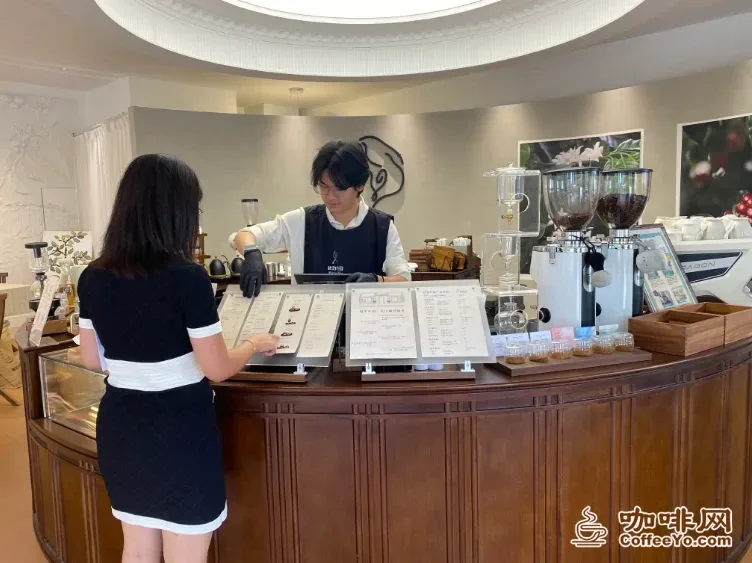
Since 2025, Kunming’s number of coffee shops has risen sharply: 236 in Wuhua, 168 in Panlong, 296 in Guandu, 431 in Xishan and 79 in the Dianchi resort area. The change is not only in Kunming—Yunnan’s coffee store map is spreading quickly.
From “grow well” to “sell well” to “drink it,” the surge in stores is completing the chain’s final link, and giving the industry base marching toward a 100-billion-yuan output value real consumption support.
Surging Stores Expand the Coffee Consumption Circle
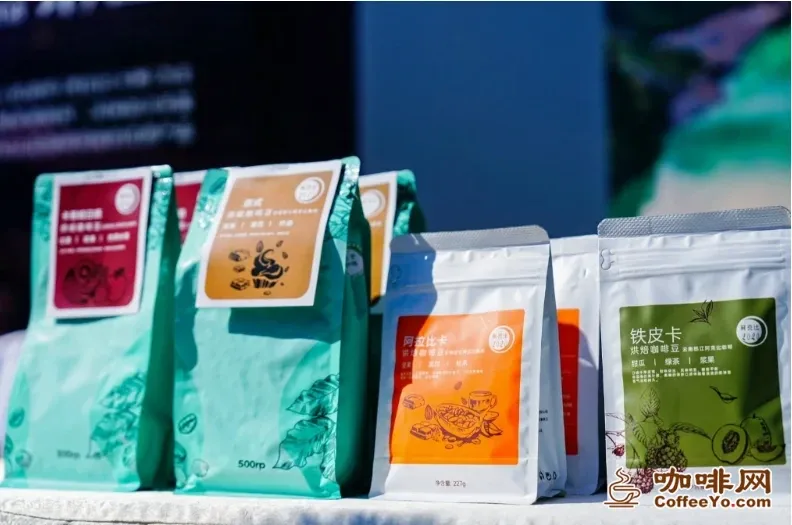
From the chain-brand view, Luckin and others are accelerating their Yunnan footprint. By July 2026, Luckin alone reached 746 Yunnan stores, its map stretching from Kunming’s core business districts to county streets and scenic-area stations. It added 57 directly-operated stores in the first half and plans 30 to 50 more within the year.
From the local-brand view, coffee has become a consumer highlight everywhere. Step into the space the Yunnan Coffee Factory built from an old plant, and the workshop has become a coffee-experience venue. Ding Xi, general manager of the Yunnan Coffee Factory, said: “Extending our reach to the consumer end and opening stores completes the terminal-experience link for the enterprise. We can directly showcase Yunnan coffee, tell the origin story well, and strengthen our own brand.”
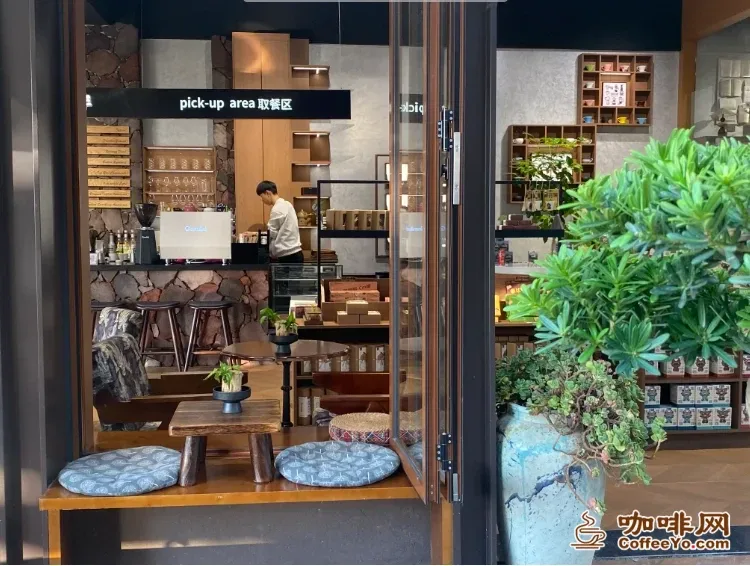
Beyond the big brands’ commercial layout and corporate responsibility, boutique coffee shops scattered across the province offer a different flavor. Plane-tree leaves cut the afternoon light into shards, sprinkling them on the flagstones of Kunming’s Xunjin Street. One shop after another shows its brand personality. A barista crafts signatures; citizens rest a tote at their feet and sip slowly. A few kilometers north, café density by Cuihu Lake is even higher—around a hundred specialty cafés have gathered. “Go to Cuihu for coffee” has turned from a casual invitation into a Kunming habit.
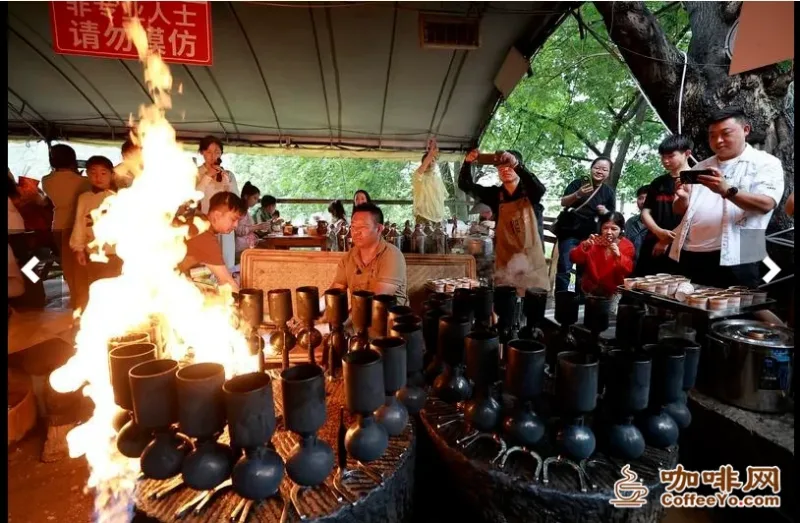
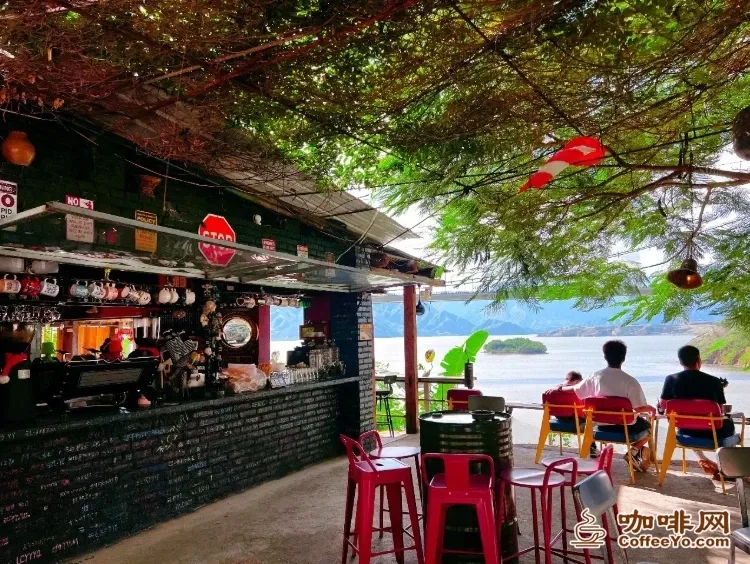
Leaving Kunming for Mengzi: this city of 600,000 has opened over 210 cafés—roughly one per 3,000 people, a density rivaling many provincial capitals. At a roadside coffee stall in Mangkuan Township, Baoshan, Li Jinhe spent 3,000 yuan on a shade tent; after his blowtorch-brewed coffee went viral in short videos, tourists drive in just to drink, and nearby farmers set up grills and sell specialties—one stall spawning a small ecosystem.
The significance of Yunnan’s coffee-store surge goes far beyond the consumption end. Behind these numbers is a supply chain being reorganized: more stores mean higher demands for stable output; higher demands push producing regions to grade, process and make traceable. The more stores, the more the origin is motivated to sort, to process, to trace.
Thriving Producing Regions: Growers Begin to “Pick Buyers”
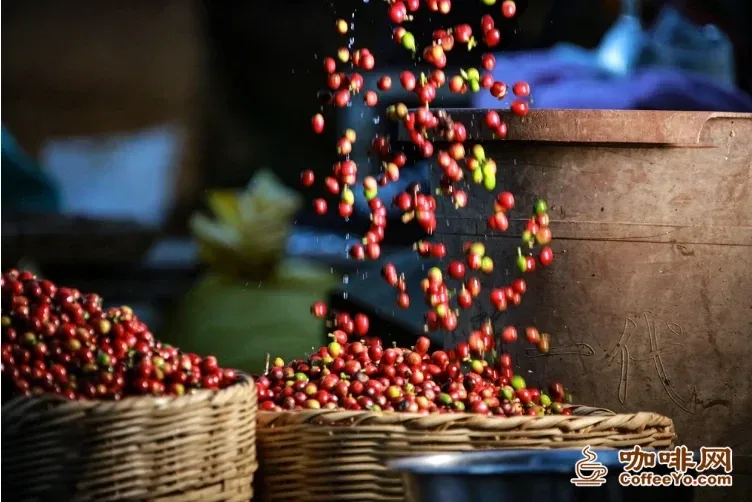
“In our bean-selection criteria, first it must be specialty coffee; second it must have clear origin-flavor characteristics, so consumers drink with understanding and can tell the difference between regions and processes,” said Yang Yu, founder of Kaguo Coffee—voicing the root reason Yunnan coffee keeps upgrading.
Good bean sales, beyond consumer demand, reflect deeper change at the quality end. A responsible official of the Menglian Dai-Lahu-Va Autonomous County agriculture bureau said that in recent years Menglian has seized the coffee-industry transformation opportunity, stayed focused on “specialization” as its main development theme, and accelerated quality and efficiency gains—standardizing fresh-cherry picking (central processing rate 80%), per-mu yield up to 2.5 tonnes, per-mu output value above 10,000 yuan, and a 73% specialty rate in the 2025/2026 season, ranking first in the province for four straight years.
In Lincang, a traditional washed Geisha from Gengxia Estate won the 2026 Yunnan Green-Bean Competition at 91.78 points, with a transaction price of 14,000 yuan per kg—a new record for Chinese green-bean transactions. When one kg of green beans can sell for over ten thousand yuan, “specialization” is no longer a slogan but an industry standard that can be priced, traded and repurchased.

The industry is improving, producing regions thriving. Cut back to Menglian: a few years ago, growers queued four or five days at collection points to sell their beans; when futures fell, the line sighed. Now it’s reversed—before the cherries are even picked, buyers rush into the fields, and growers start choosing buyers.
Export data confirms this structural shift. In the first half of 2026, Yunnan exported 8,282 tonnes of coffee worth 340 million yuan, both ranking first nationally, to 40 countries and regions. Among Pu’er beans supervised for export by Simao Customs, top-grade beans exceed 90% of the total. Yunnan beans once exported mainly as commercial grade, winning on volume; now top-grade beans are the main force, meaning the region’s grading ability and processing level have crossed a key threshold.
Today, coffee stores are no longer just the end of consumption, but gradually become the nerve endings of the whole chain—they send orders back to producing regions, feed flavor back to processing plants, and transmit price expectations into growers’ picking decisions.
Chain Thickness: Building a Stronger Industry Chain on Multiple Dimensions
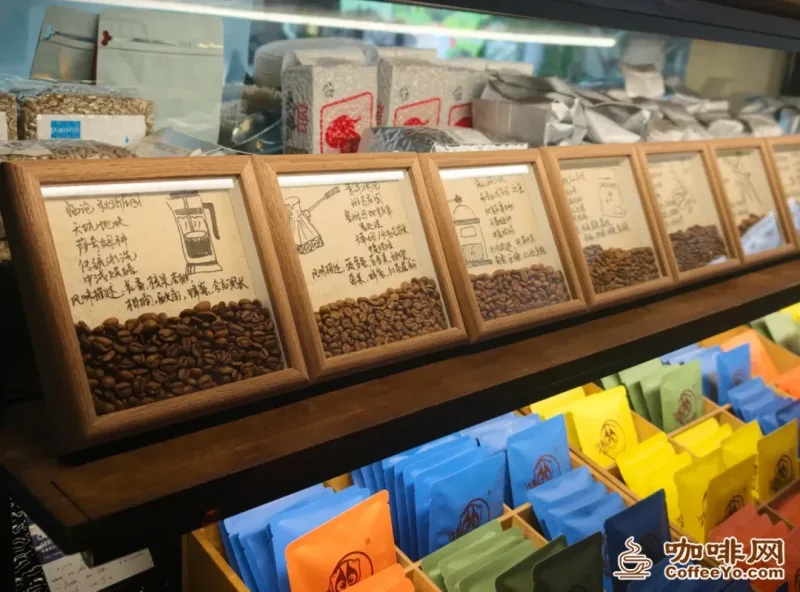
Between stores and producing regions lie research, processing, warehousing, standards and experience—the thickness of these links decides whether a chain is “resilient” or “brittle.”
In recent years Yunnan coffee has extended into deep processing, brand building and cultural-tourism experience, with a mature upstream-downstream ecosystem and a full-chain comprehensive output value of 99.5 billion yuan. On deep processing: the province formed four clusters—Kunming, Baoshan, Pu’er and Dehong—with over 120 deep-processing enterprises, nearly 100,000 tonnes of capacity (30% of the national total), and a deep-processing rate up from 20% (2021) to 85%, covering all mainstream categories—roasted beans, concentrates, instant powder, freeze-dried powder—with multiplied product value. On brand building: a multi-tier brand matrix is taking shape; the “Pu’er Coffee” geographical-indication brand value reached 4.074 billion yuan, entering China’s top-100 GI regional brands; “Baoshan Small-Grain Coffee” joined the China–EU GI mutual-recognition list and was selected for the Ministry of Agriculture’s premium brand cultivation catalog and the Ministry of Foreign Affairs’ gift sequence.
On coffee-tourism fusion: the province built nearly 60 specialty coffee estates, released 10 themed tour routes, and attracts over a million visitors to Yunnan each year; coffee culture is turning into tangible, livable scenes. Kunming has about 2,400 coffee business entities; Baoshan’s Gaoligong International Specialty Coffee Culture Park became a national 4A scenic area; Pu’er built coffee-themed streets and a tea-coffee night market; Lincang launched a “seed to cup” full-process experience route. Creative drinks like porcini truffle espresso, ham latte and “see-foot-fungus” signature coffee have become uniquely Yunnan consumption experiences.
Currently, domestic coffee consumption keeps growing with strong internal demand; about 90% of China’s coffee beans supply the domestic market. Yunnan-bean coverage in Shanghai, Beijing and Guangdong specialty cafés reaches 90%, 80% and 70% respectively—yet against 370,000 tonnes of domestic demand there is still a gap of nearly 200,000 tonnes.
A relevant official of the provincial agriculture department said Yunnan coffee is in a golden window of quality upgrade, scale expansion and internationalization, with multiple advantages—bean base, processing carrier, cross-border trade, coffee-tourism fusion—compounded by policy dividends like RCEP, the China–Laos Railway cross-border logistics and border-port processing cooperation, giving the full-chain development enormous room to grow.
The store surge is a surface phenomenon. What is really happening is an industry once responsible only for “growing and selling” is learning to keep every link a cup of coffee contains—planting, processing, roasting, cupping, service, narrative—in its own hands. As industry insiders put it, when stores are dense enough, regions refined enough and the chain thick enough, Yunnan coffee will no longer be merely “China’s coffee output champion,” but a complete industry able to define its own flavor and set its own pace.
Yunnan Daily reporter: Wang Shujuan. Yunnan Radio & TV reporters: Zhang Yingchao, Fan Lin, Li Mingzhuo. Editor: Xu Songqin.
Reprint Notice & Disclaimer
- This article is compiled and edited by China Coffee Network (coffeeyo.com) and reprinted from Yunnan Net: “《经经乐道·从咖啡店看产业链》”. The copyright of the original article belongs to Yunnan Net and the original author. This site reprints it solely for coffee-industry information sharing and does not represent our position; all data and views are subject to the original. We thank the original author for their creation and sharing.
- Original article: Yunnan Net: 《经经乐道·从咖啡店看产业链》
- If there are any issues regarding content authorization, attribution, copyright or other matters, please contact this site promptly; we will verify and cooperate in handling them at the first opportunity. We also welcome coffee enterprises and industry media to exchange and contribute articles.
- Contact China Coffee Network (coffeeyo.com): Tel 400-0000-641 (+86-18288016826) | Email 405854472@qq.com | Address: Jinghong City, Xishuangbanna, Yunnan Province, China
Related Reading
 Three Decades of Shanghai-Yunnan Collaboration: A Coffee Bean ‘Ferments’ at the Import Expo
 Why Yongde’s Coffee Beans Won Gold in Shanghai – A Taste of ‘Life in Yunnan: 365 Days’
- Yunling Commentary: Yunnan Coffee Turnaround Hinges on Autonomous Pricing
 A ‘Travel Pack’ Reveals Another Possibility for Pu’er Baristas
- Bean in Short Supply: A Taiwan Youth on Yunnan Coffee as a Shared Cross-Strait Stage
- Five Years, Eight Championships: Lincang Coffee Joins the World Stage




 Liaoning ICP Security No. 21122402000217