


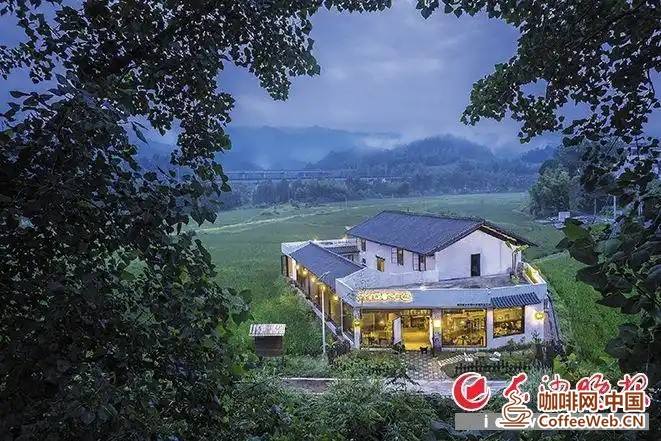
At a Glance (China Coffee Network): Photos / Changsha Evening News all-media reporters Li Feng, Yu Shaojie, Yin Haotian: In the mountains of Liuyang, the rice is heading. Wind pours in from the valley, turning the whole paddy into a green sea. Beside the ridge between fields stands a cafe converted from a chicken coop and an old house, with four wooden posts at the entrance bearing the shop name —— “Jiayou Coffee”. Owner Yang Jing is 52. Three years ago, she had 23 coffee chain stores under her name.
Photos / Changsha Evening News all-media reporters Li Feng, Yu Shaojie, Yin Haotian
In the mountains of Liuyang, the rice is heading. Wind pours in from the valley, turning the whole paddy into a green sea. Beside the ridge between fields stands a cafe converted from a chicken coop and an old house, with four wooden posts at the entrance bearing the shop name —— “Jiayou Coffee”. Owner Yang Jing is 52. Three years ago, she had 23 coffee chain stores under her name. Now she has chosen to restart her entrepreneurial story in these rice fields.
Yang Jing’s life in coffee began in 2006, when she opened her first specialty cafe on Renmin West Road in Changsha. Over the following dozen years, the shops multiplied: more than twenty chain stores scattered across street corners in Changsha, Guiyang, and Kunming. Dressing up carefully each day, visiting stores, drinking coffee, chatting —— that was once her ordinary, accustomed life.
In 2020, everything came to an abrupt halt. Stores closed one after another, and a career of more than a decade plunged to its lowest point overnight. Debt, bewilderment. “From such a great height to having all twenty-plus stores gone, I felt terrible inside at that time,” Yang Jing said.
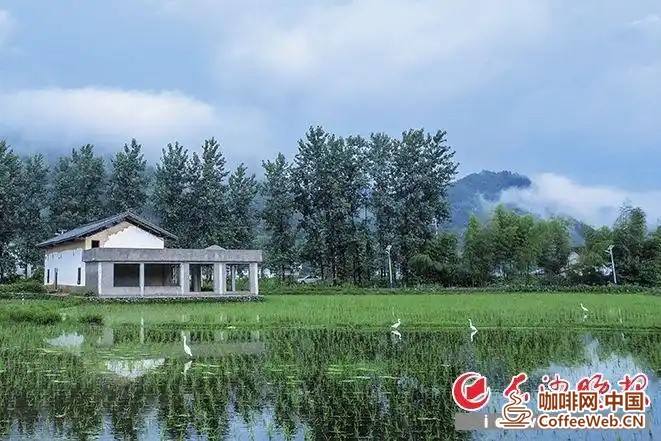
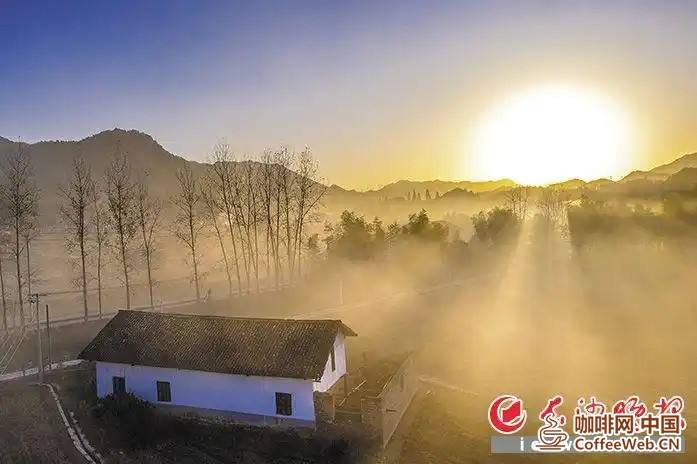
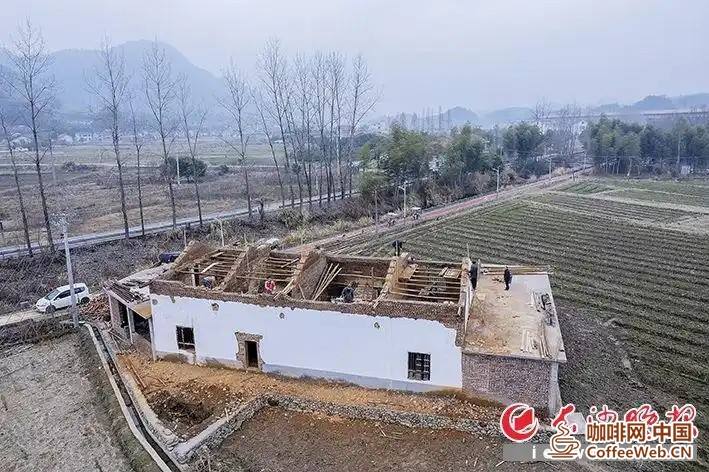
The turning point came beside a rice paddy. Standing on high ground, she saw a stretch of emerald-green rice fields. “Preserved” within those green fields was an old rammed-earth house, abandoned for years and used only as a chicken coop. “But this paddy was so beautiful! I felt right then that city people are like plants in flowerpots; only when the pot is broken and feet touch the soil can roots grow without limit. How wonderful it would be to lie in these rice fields with a cup of coffee,” Yang Jing said. At that moment her whole body suddenly relaxed.
No business plan, no financing scheme. A single thought of “I want a cup of coffee” took root beside the paddy. The name “Jiayou” means setting out from a rice field, rooting downward and growing upward, while also sounding like the Chinese word for “keep going”. “Yes, I’m in my fifties, and I still need to keep going,” Yang Jing said.
Originally she had braced herself to endure two years. But the wind beside the paddy was more eager than she imagined. With no promotion at all, within two months the cafe’s customer flow surged. At the busiest, from 9 a.m. to midnight, they made several hundred cups of coffee a day; Yang Jing admits she never expected it. Ms. Liu, a citizen who drove two hours from Changsha for the coffee, said: “This place has a warmth city cafes don’t have, and in person it’s even more beautiful and more ‘photogenic’ than the online photos.”
In the coffee narrative of the city, efficiency is the core: queue, scan the code, pick up, leave. In this “village cafe”, Yang Jing chose the exact opposite path. She insists on taking orders by hand, insists that baristas tell guests the story behind each cup, and insists that the warmth of two hands can never be replaced by machines. “This must be a place where things are done slowly. Taking it slow is actually faster.”
Yang Jing says people drive two hours here not to finish a cup of coffee quickly, but for the rice fields, the breeze, and the relaxation of not having to chase time.
Unexpectedly, a group of young people chose to stay in the countryside because of this cafe. Xiao Ou, a post-00s employee, said: “I still have many things I want to accomplish, and I want to do them in nature.” Employee Tianxin said: “Compared with the city, I prefer the freedom of the countryside. Here I can ‘switch off my brain’ and just be happy!”
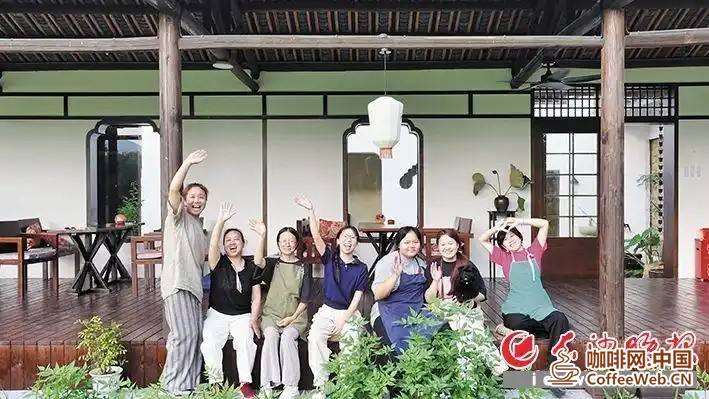
As the aroma of a cup of coffee spread, the long-dormant daily life of Shanghong Village, Zhangfang Town, Liuyang, was quietly lit up. The abandoned old house took on new life, the quiet village road gained a steady stream of visitors, and a mountain village that once could not keep its young people grew new possibilities because of one cafe.
The waves of rice are still growing, and the coffee aroma will drift farther on the mountain wind. As for the story of “taking it slow”, its first page has only just been turned.
Reprint Notice & Disclaimer
- This article has been edited and compiled by China Coffee Network. The information and images therein come from public sources and the copyright belongs to the original author. This reprint is intended solely for information sharing within the coffee industry and does not represent the views of this website; all data and opinions are subject to the original article. Our thanks to the original author for creating and sharing it.
- For matters concerning content licensing, attribution, copyright or otherwise, please contact us promptly and we will verify and cooperate in handling them as soon as possible. We also welcome coffee origins, brands and industry media to exchange ideas and contribute articles.
- Contact China Coffee Network: Tel 400-0000-641 (+86-18288016826) | Email 478203668@qq.com
Related Reading
 Jiangxi Wuyuan: Rural Coffee Unlocks New Cultural Tourism Formats
 Jiangxi Wuyuan: Rural Cafes Unlock New Cultural Tourism Formats
 Global quality goods gather at Hongqiao Import Commodity Exhibition Center, setting "Chinese standards" for coffee
- Global premium products gather to set China's coffee standards as Hongqiao Import Commodity Exhibition Center keeps the CIIE spirit alive
- Global quality goods gather as Hongqiao Import Commodity Exhibition Center and CIIE forge lasting partnership to set China's coffee standards.
 Zhejiang "Science Cafe" Promotes Embodied Intelligence in Real-World Scenarios


 Liaoning ICP Security No. 21122402000217