
Read more (CoffeeYo coffeeyo.com): China’s National Climate Center has confirmed that a super El Niño event officially formed in September 2026, with sea-surface temperatures across the central and eastern equatorial Pacific expected to keep climbing and peak in late autumn or early winter — potentially the strongest event since systematic monitoring began. Along the long chain of planting, processing and shipping, the prices of coffee, chocolate and staple grains may all feel the effect.
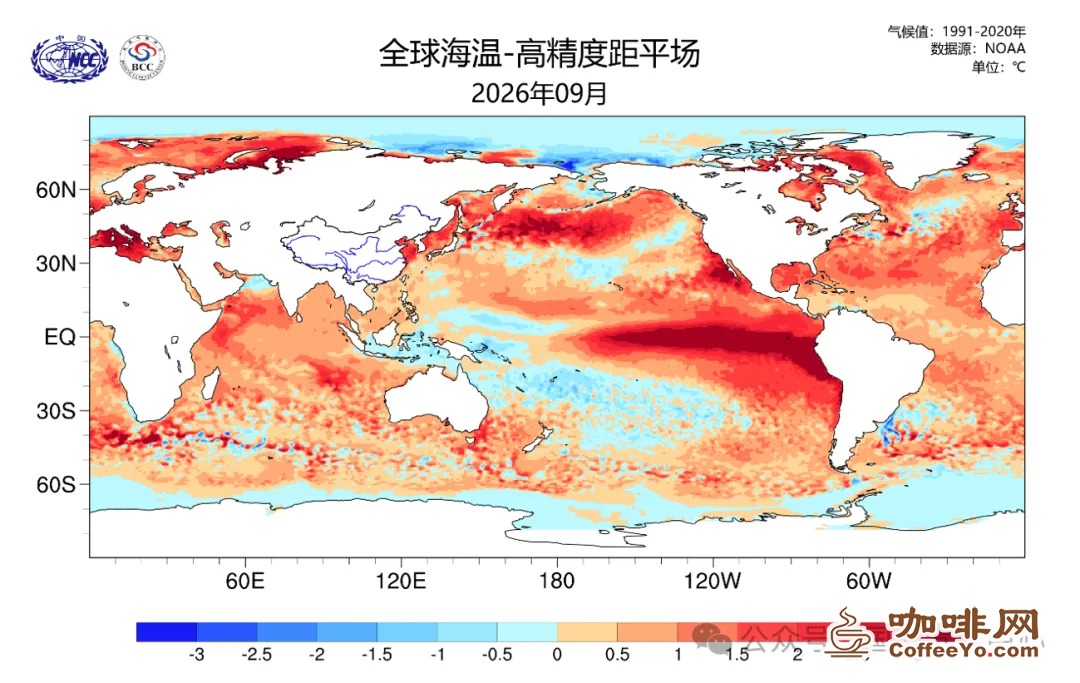
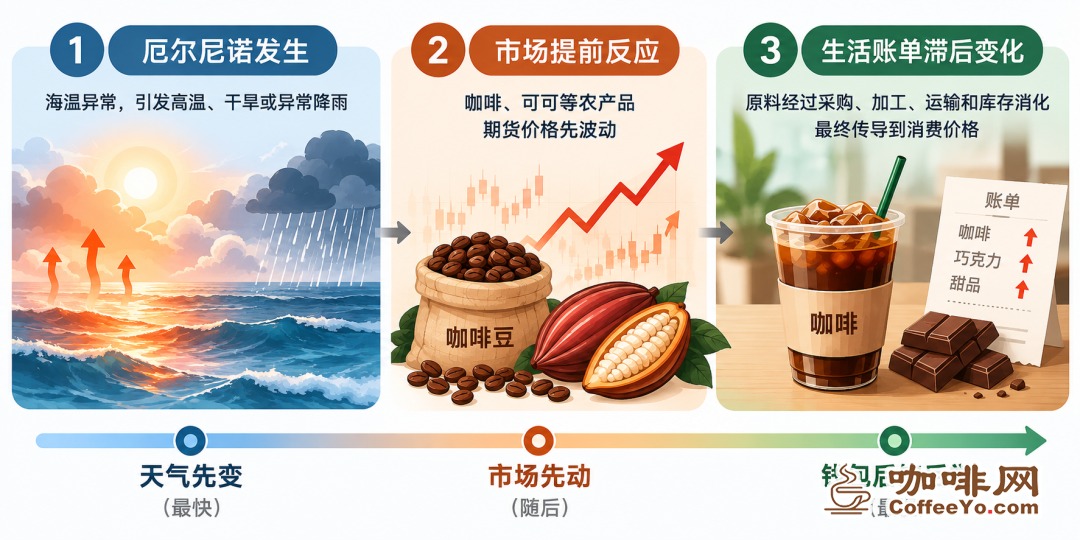
The hashtag #SuperElNiñoHasFormed has been trending on Chinese social media this week. According to the National Climate Center, most of the equatorial Pacific was warmer than the seasonal norm in September, with the warm centre in the eastern Pacific running more than 3.0°C above average.
El Niño is usually filed under “extreme weather”, but its reach extends well beyond the forecast page. Trace any price tag back upstream and you will find that almost every product passes through a long sequence of growing, processing, shipping and distribution before it reaches a shop, a market or a kitchen. None of that happens in a vacuum. When the weather departs sharply from normal, the natural factors hidden behind the price start to surface — in the coffee you drink, the meat you eat, even the electricity that runs the air conditioner.
The first bill weather rewrites: food
Supermarket shelves carry coffee, chocolate, fruit and processed foods in every season, which makes stable supply look like the natural order of things. Behind it sits a quiet piece of globalisation: crops are grown at scale where the climate suits them best, processing concentrates where it is most efficient, and consumers share the resulting variety and low cost through trade.
That same division of labour also exposes us to climate risk thousands of kilometres away. When a major producing region gets abnormal weather, the effect travels along trade and supply chains and eventually lands on a market and a dinner table at the far end.
Cocoa
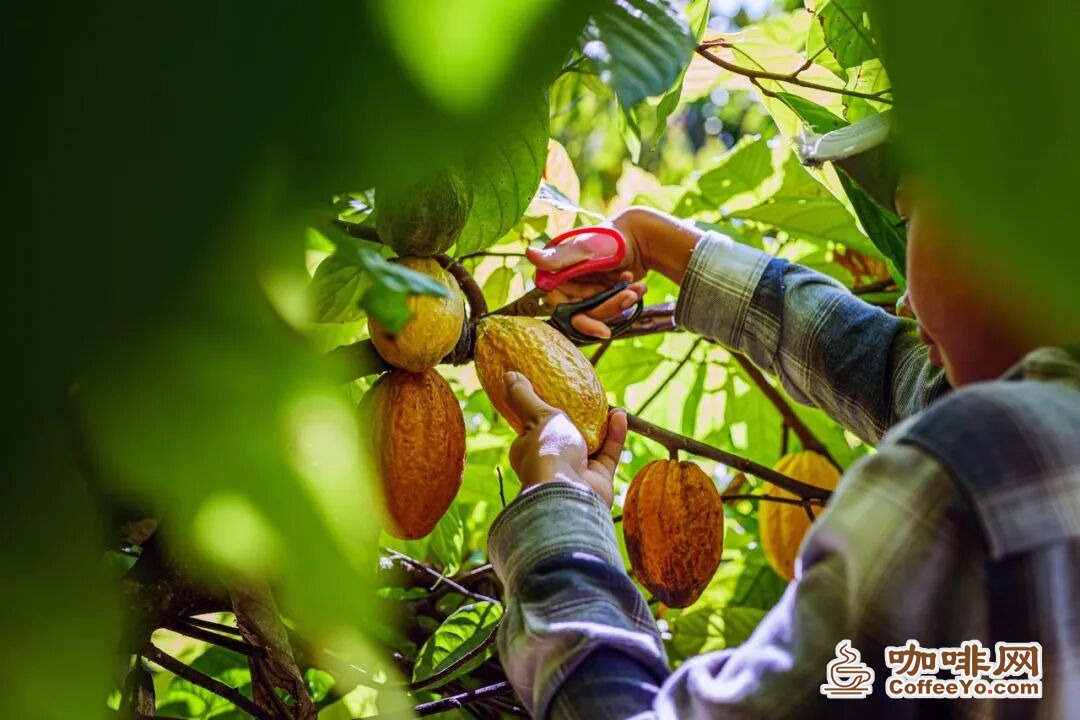
Cocoa trees thrive in the hot, humid belt near the equator. Heat and drought brought by El Niño can disrupt flowering and fruit set, causing pods to develop poorly or drop early, while unusual rainfall raises the risk of fungal disease such as black pod rot. In September, several core growing areas of Côte d’Ivoire — the world’s largest cocoa producer — reported insufficient rainfall, with farmers saying young pods were dropping from water stress and worrying that the main crop would finish early. Lindt has disclosed that cocoa prices rose 80% over the past six months.

Coffee
Robusta (Coffea canephora), the bean behind most instant coffee and many espresso blends, accounts for roughly 40% of global output and comes mainly from Vietnam and Indonesia — regions highly exposed to El Niño. A delayed rainy season and dry soils can stop cherries from sizing up, or cut the crop outright.
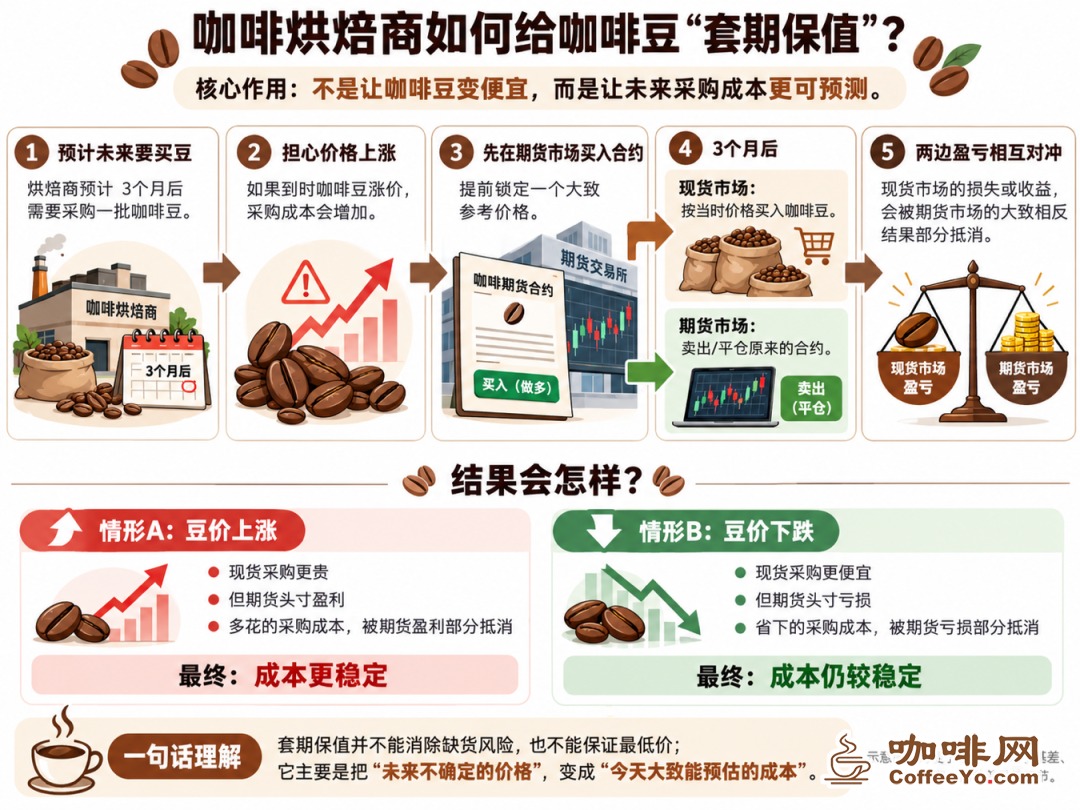
The market prices risk before the loss arrives. London robusta futures climbed from around US$3,400 per tonne in early June to close to US$3,900 by early August, up about 15% in two months.
Sugar
Sugarcane grows over a long season and drinks heavily, yet suffers when rain comes at the wrong time. El Niño can bring heat and drought to cane belts in India and Thailand, where water stress during stem elongation suppresses growth and cuts yield per hectare; in south-central Brazil, excess rain not only delays harvest but pushes the plant into vegetative growth, lowering sucrose content. International sugar prices gained roughly 21% in August on reports that wet weather had trimmed Brazil’s output outlook — though a higher price does not guarantee more sugar from waterlogged cane.
Palm oil
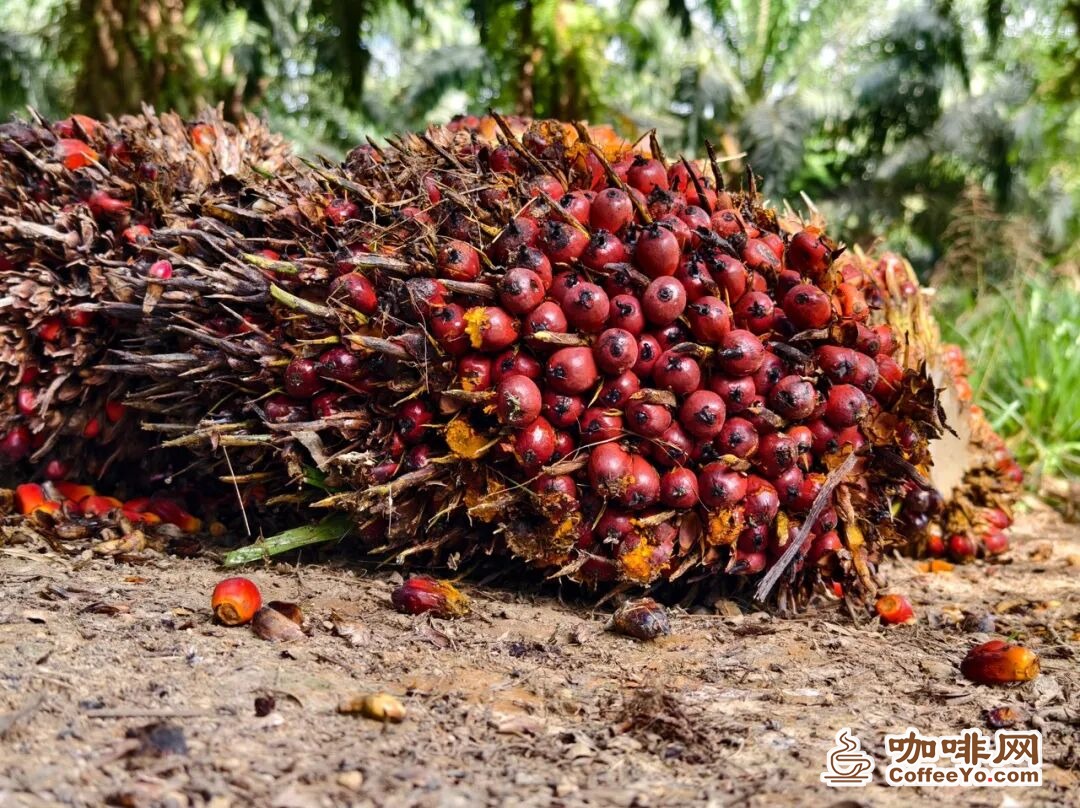
Palm oil is one of the least visible farm products on the shelf: it appears in instant noodles, biscuits, crisps and ice cream, in surfactants derived for shampoo, soap and laundry liquid, and in the production of lipstick and face cream. Indonesia and Malaysia together supply more than 80% of the world’s palm oil, and El Niño tends to bring hotter, drier conditions to parts of both. Prolonged water stress affects inflorescence formation, pollination and fresh fruit bunch development, ultimately pushing yields down.
Oil palm also responds with a lag: one dry spell does not show up fully in the same month’s output, and may reduce bunch count and oil extraction months later. That is why markets often trade the weather risk before the actual shortfall. In 2026 Malaysian regulators moved to require listed companies to strengthen disclosure of El Niño risk, with the palm oil sector flagged for particular attention.
Fishmeal
The impact is not confined to land. Peruvian anchovy depend on the cold, nutrient-rich upwelling along the coast and are the single most important raw material for global fishmeal. El Niño warms the surface water of the eastern Pacific, weakening the upwelling and reducing plankton, which can push anchovy into deeper, colder water, cutting catches and lifting fishmeal prices.
Because fishmeal is a key high-protein feed input for farmed fish and shrimp, the increase propagates down the chain — even into pet food. Combined with lower quotas in Peru and Chile, reduced North Atlantic supply and El Niño risk, Peruvian high-grade fishmeal reached US$2,500 per tonne in May, up from about US$1,400 a year earlier, a rise close to 80%.
Weather can also squeeze power and logistics
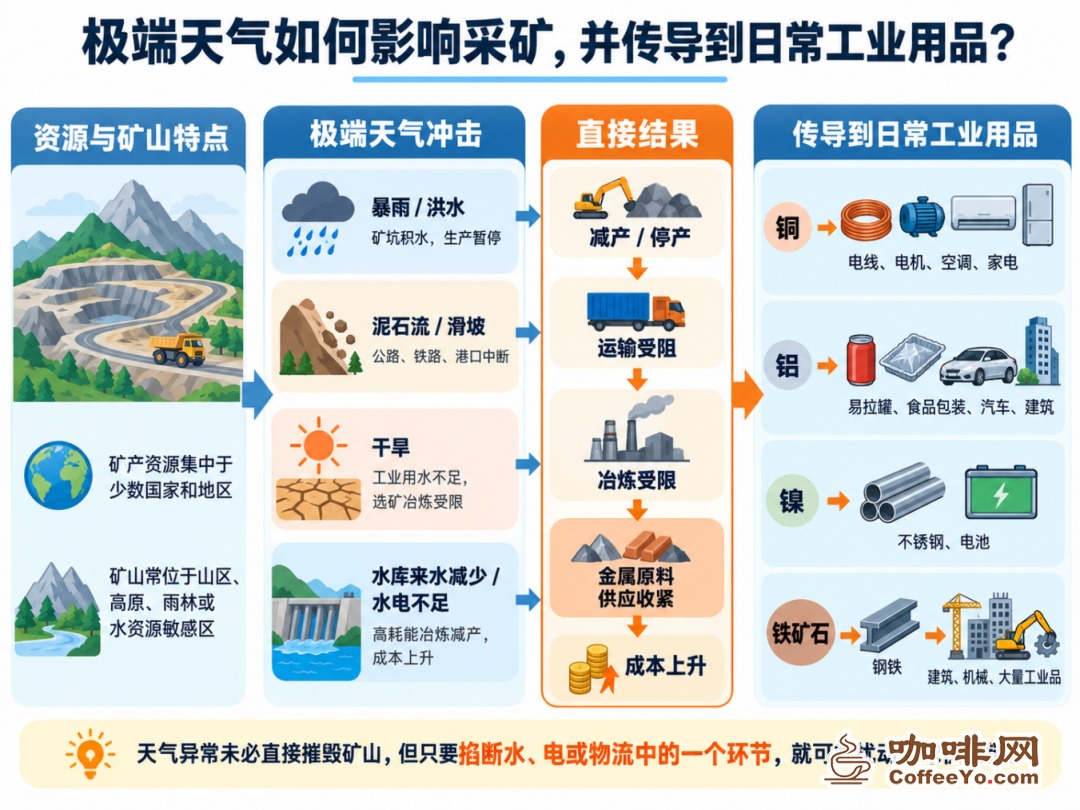
Mining may look like moving rocks, but it depends on water, electricity and transport. During Peru’s 2017 “coastal El Niño”, flooding disrupted concentrate shipments; in 2024 drought in Zambia weakened hydropower supply and forced the copper producer to seek imported electricity. When extreme weather breaks a single link in industrial mining, the cost pressure travels into wiring, cars, packaging and appliances.
Electricity prices can be squeezed from both sides at once: heat drives up air-conditioning demand while drought lowers reservoir levels and hydropower output, forcing the system to call on costlier thermal or imported power. Even where household tariffs are subsidised or regulated, costs still rise for factories, cold chains and logistics.
If everything is rising, why haven’t we noticed?
By this point the obvious question is: if coffee, sugar, palm oil, fishmeal, even electricity and industrial inputs can all be affected, why does a supermarket trip or a takeaway order feel unchanged — and why is the iced americano downstairs still ¥9.9?
Because changes at origin do not pass through to the shelf unchanged and immediately. Contracts are signed months ahead, roasters and manufacturers hold inventory, brands absorb part of the cost to defend market share, and retailers adjust assortment and pack sizes before touching the headline price. What reaches the consumer is a smoothed, delayed signal — until the buffer runs out.
Source: The Paper — Super El Niño Has Formed: Will Coffee, Chocolate and Grain Prices Rise Next Year?
This article was compiled and edited by CoffeeYo coffeeyo.com. It is shared for coffee industry information purposes only and does not represent the views of this site; all data and opinions remain those of the original source. Copyright belongs to the original publisher and author.
 Liaoning ICP Security No. 21122402000217