
At a Glance (China Coffee Network): A new drink that fuses a centuries-old local heritage with modern coffee culture—the “lily latte”—has gone viral in Yanglou Village, Wuxing High-Tech Zone. Behind the idea is the story of a military veteran who returned home to start a business.
Thousand-year-old canals nourish the land; a century-old lily is reborn. Recently, a new drink that blends a centuries-old local heritage with modern coffee culture—the lily latte—has taken off in Yanglou Village, Wuxing High-Tech Zone. Behind the idea is the homecoming-entrepreneurship story of a military veteran. He took off the uniform and rooted himself in the soil. Song Junyi is a veteran of the Chinese People’s Liberation Army. After taking off his uniform, he chose to return to his hometown of Huzhou to start a business, founding Huzhou Yanglou Agricultural Products Co., Ltd. and devoting himself to the agricultural-products sector. “What I want to build is not just an ordinary agricultural-trade company,” Song said.
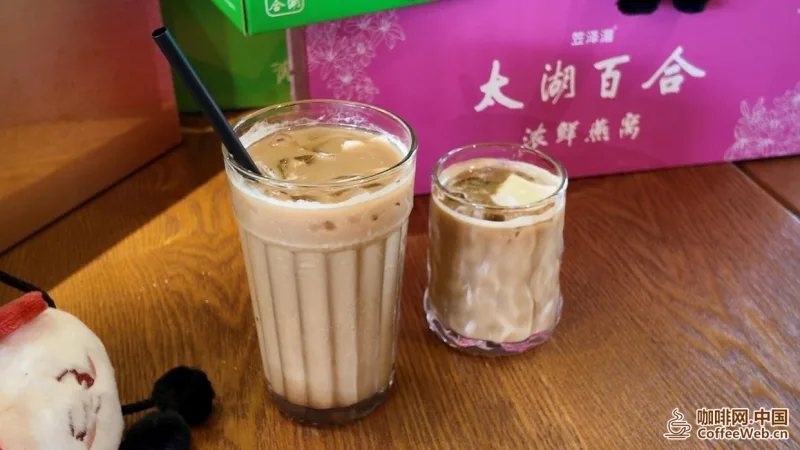
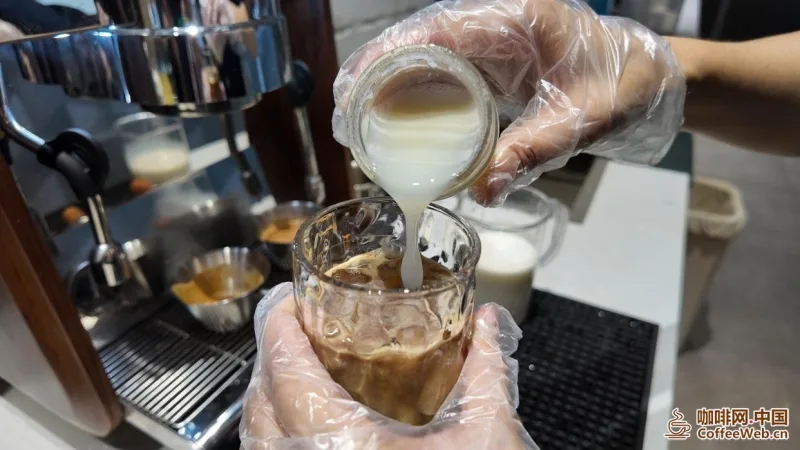
The Taihu lily is a gift inherited for centuries along the southern shore of Lake Taihu, yet for a long time it was mostly used in medicinal cuisine and soups, hard to fit into young people’s daily lives. Coffee, by contrast, is a familiar, everyday vehicle for the young—a bridge connecting the countryside with modern life. Seeing all kinds of crossover drinks break out—Moutai-plus-coffee, rice-wine milk tea and the like capturing market attention—Song conceived the entrepreneurial idea of combining lily with coffee. “Before there was Moutai-plus-coffee; now there’s rice-wine milk tea. So why can’t I give lily a try?” His team then introduced advanced cold-extraction technology, deeply processed the Taihu lily, refined a lily essence, and successfully created a lily latte.
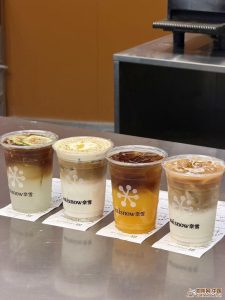
In the current phase, the project’s first stage has landed in Yanglou Village: the lily essence is already supplied to several cafés in the village, where customers can order a lily latte directly off the menu, under the signature slogan “Come to the most beautiful Yanglou—and drink the lily latte.” Visitors to the village can taste this innovation unique to the Lake Taihu shore.
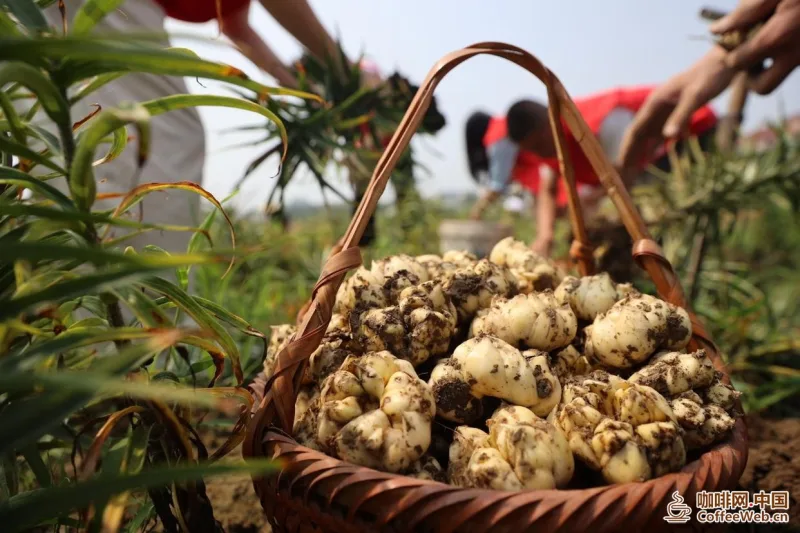
On the taste, Song explains that the Taihu lily is clean and sweet with a lingering finish, while Colombian beans are rich and slightly bitter. When the two meet, they harmonize: the coffee neutralizes the lily’s herbal notes, and the lily softens the coffee’s harsh bitterness. One gentle, one bold—they collide into a flavor unique to this land. “Returning to the countryside to start a business is not about copying the city’s model, nor clinging to old traditions,” Song said. Using the lily as a vehicle, he wants to turn local good things into an everyday experience everyone can feel for themselves: “What the guest drinks is not just a cup of coffee, but the millennia-old breath of the Taihu canals.”
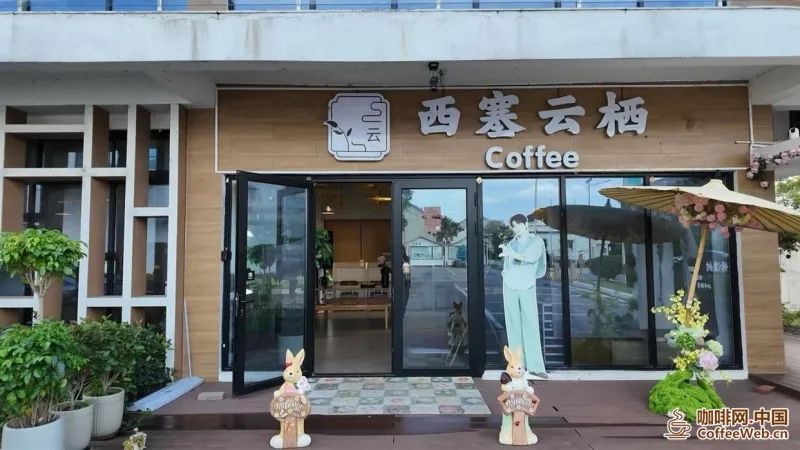
The Taihu canal system (Lougang) was first built during the Spring and Autumn and Warring States periods, and in 2016 it was inscribed on the Heritage Irrigation Structures list of the International Commission on Irrigation and Drainage—hailed as a “living fossil” of the Lake Taihu basin’s water-management history and Wuyue culture. Yanglou Village sits right in the core area of the canal system and is a key village in Wuxing District’s “Six Lakeside Villages” cluster development. In recent years, leveraging its canal advantage, it has introduced projects such as “Taihu Warm Village” and “Crab Manor,” and rural tourism has been gaining momentum. The lily latte has injected new vitality into the millennial canals.
It is understood that Huzhou Yanglou Agricultural Products Co., Ltd. will keep deepening the whole-industry-chain build-out of the Taihu lily. Beyond beverage innovation, it will keep developing lily-derived products—extending into deep-processing tracks such as cosmetics and liquor—continuously amplifying the Taihu lily’s brand effect, making that brand bigger and stronger, and letting this rural fragrance travel farther. Let the native scent rooted in the Taihu canals leave the village and reach broader markets.

Source: Aihu Wuxing client (adapted by China Coffee Network).
Reprint Notice & Disclaimer
- This article is compiled and edited by China Coffee Network (coffeeyo.com) from publicly available materials (Aihu Wuxing client). The copyright of the original text and images belongs to the original authors. This site reprints it solely for coffee-industry information sharing and does not represent our position; all data and views are subject to the original. We thank the original authors for their creation and sharing.
- Original article: publicly available via the Aihu Wuxing client (via China Net / Cha News channels).
- If there are any issues regarding content authorization, attribution, copyright or other matters, please contact this site promptly; we will verify and cooperate in handling them at the first opportunity. We also welcome coffee producing regions, brands and industry media to exchange and contribute articles.
- Contact China Coffee Network (coffeeyo.com): Tel 400-0000-641 (+86-18288016826) | Email 405854472@qq.com | Address: Jinghong City, Xishuangbanna, Yunnan Province / Tieling City, Liaoning Province, China
Related Reading
 RMB 105 Million Instant-Coffee Deep-Processing Project Opens in Gejiu, Yunnan
 Nestlé Mainstream Ready-to-Drink Coffee Lineup
 Nongfu Spring Tan Bing (tàn bīng) Ready-to-Drink Coffee
 Luckin ‘Jixiang’ Ready-to-Drink Coffee Lineup (incl. Bottled RTD + Concentrate Launched Late April 2026)
 Nayuki’s ‘Osmanthus Rice-Wine Milk Coffee’ Sells Out at Launch as It Doubles Down on ‘Coffee + Focaccia’
 Molly Tea Launches Floral Tea-Coffee Again: A Tea Brand’s Alternative Take on Coffee


 Liaoning ICP Security No. 21122402000217