


At a Glance (China Coffee Network): The evening breeze drifts past the blue-gray brick walls of Shangxin Street as the savory aroma of seared patties mingles with the milky scent of cheese over the flagstone path.
The evening breeze drifts past the blue-gray brick walls of Shangxin Street as the savory aroma of seared patties mingles with the milky scent of cheese over the flagstone path. A resident born in the mid-1990s, Xiao Lin, holds a freshly baked thick beef burger and poses with friends under the warm yellow string lights for photos — for her, gathering friends on weekends for a themed market has long become a regular leisure activity that needs no special planning.
Since 2026, a batch of single-category vertical themed markets has gone viral across the streets of the Spring City, from burger festivals and coffee carnivals to bracelet markets and pet gatherings, precisely hitting the interest points of different circles, enriching citizens’ daily leisure and adding a more vibrant youthful character to the city.
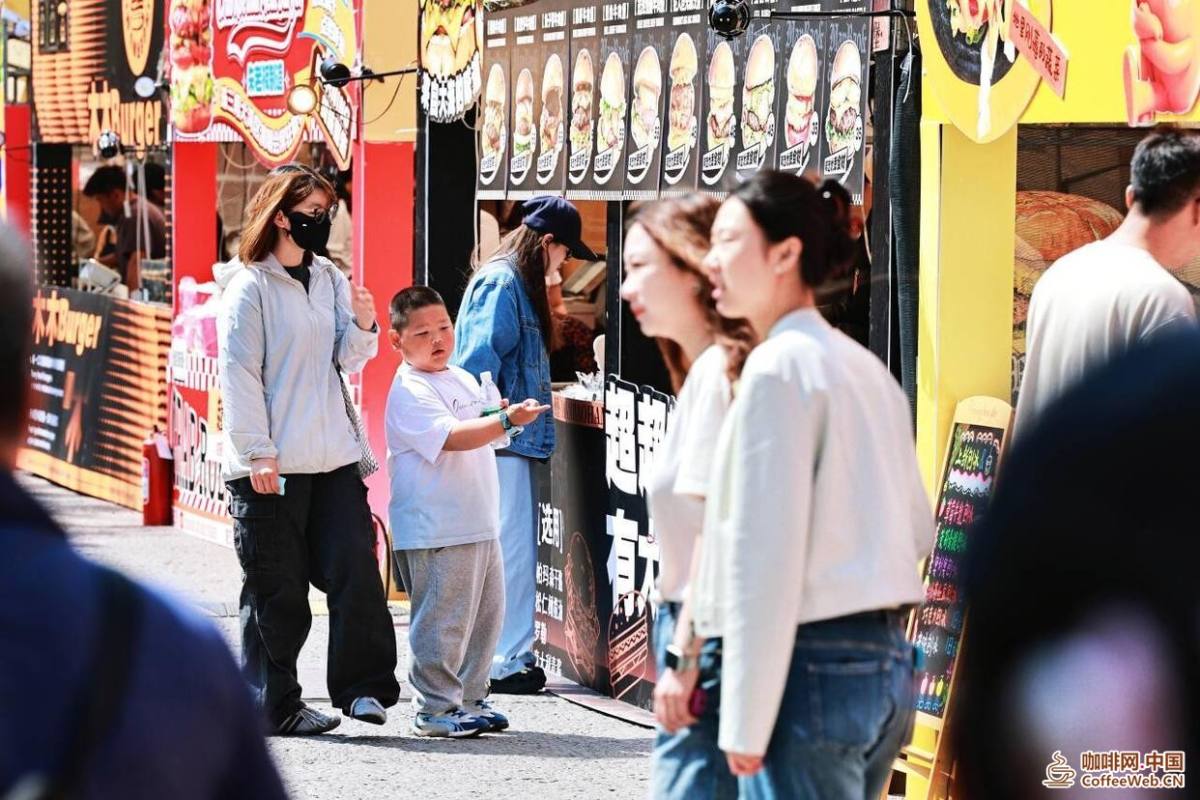
Xiao Lin is a true “market enthusiast.” During the Shangxin Street Burger Festival in the May Day holiday, she showed up several days running. “In the past, to eat a specialty handmade burger you’d have to cross half the city to find a dedicated shop. Now a single street lays out more than 20 stalls, from classic American thick beef burgers to creative seafood shrimp burgers, even internet-famous brands from out of town show up — tasting two or three kinds a day isn’t enough.” Carrying her packaged limited-edition burger, she smiles broadly: “Photos taken in the old alley look great too; it’s a one-stop eat, stroll, and shoot experience, and my weekends feel especially fulfilling.”
Chen Lei, a vendor of a local burger brand, felt the market’s heat even more keenly. “During the May Day days the griddle never stopped; we sold over 200 burgers a day, and many out-of-town visitors packed two more to go after eating.” In his view, vertical markets are far more efficient than comprehensive ones: “Everyone who comes for burgers is a precise customer; there’s no need to explain — they all come for the category, so the closing rate is especially high.”
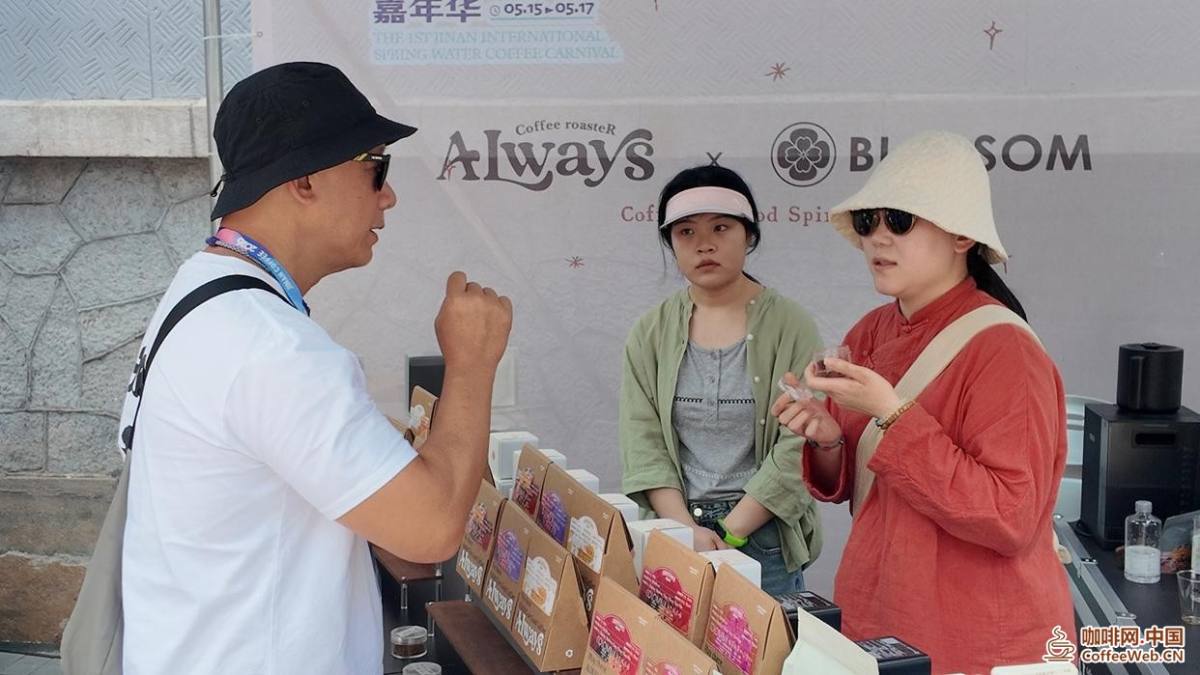
This “Aoyue Shangxin Burger Festival,” leveraging the cultural-tourism resources of the Shangxin Street historic-and-cultural district, deeply integrated specialty food with the old-alley ambiance, bringing fresh experiences to citizens while drawing foot traffic and energy to the century-old street.
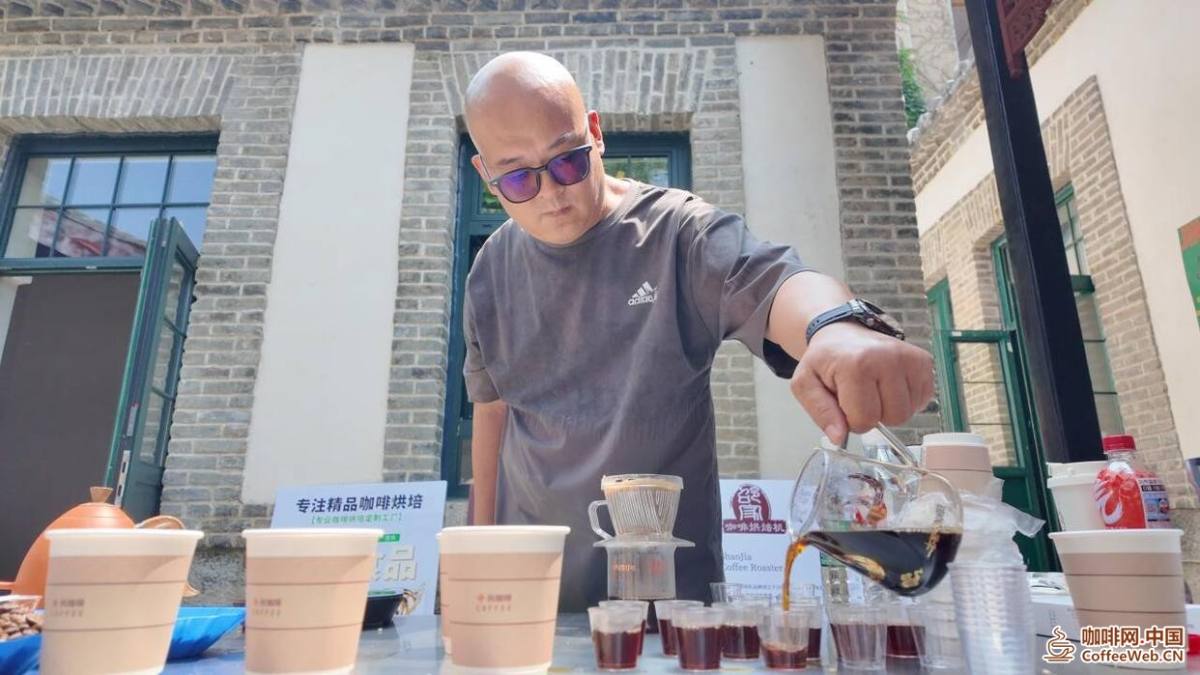
Before the burgers’ warmth had faded, the rich aroma of coffee spread through the century-old commercial port. Launched in May, Jinan’s first International Spring-Water Coffee Carnival became the city’s annual event for coffee lovers. Zhang Ran, an independent barista living in Lixia District, made three trips to the Guangzhi Li block during the event. “A single market gathered over 70 brands, from Colombia’s deep-roast richness to Yunnan’s sun-dried fruity notes — you can taste many varieties at once, and chat brewing techniques with the vendors on the spot,” she said with a laugh, adding that she met several like-minded friends at a professional cupping session and now meets them weekly to explore shops.
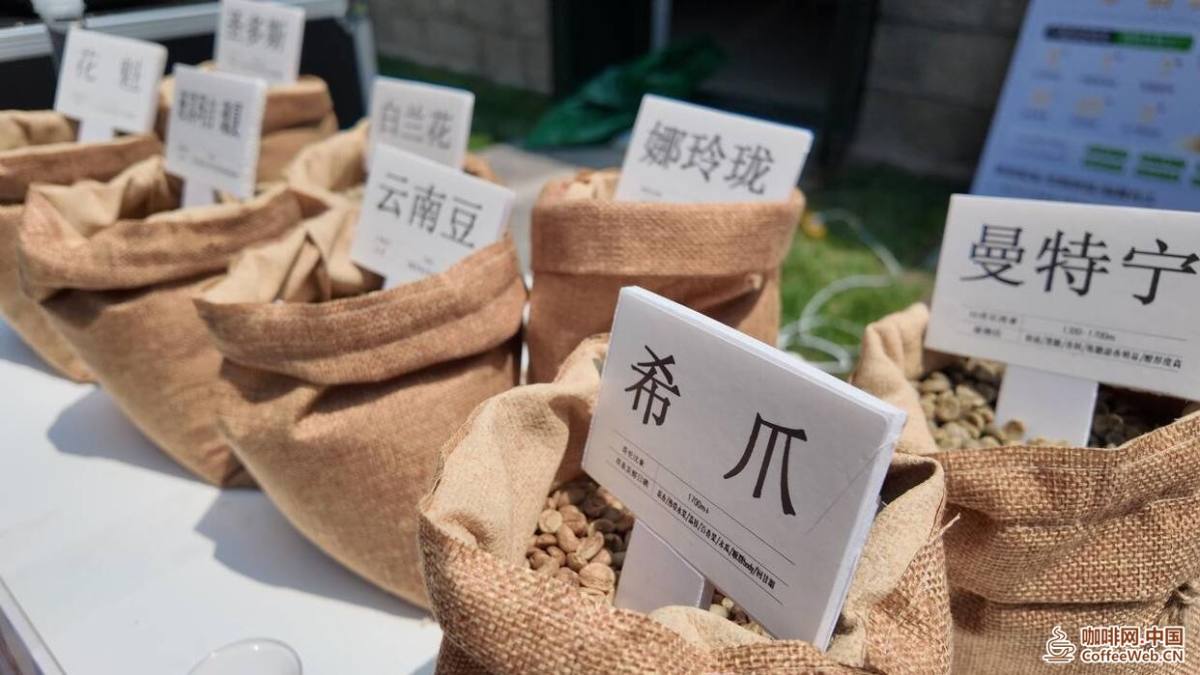
This coffee carnival was one of the core events of Jinan’s Commercial Port Cultural Tourism Season. Relying on the cultural-tourism heritage of the century-old commercial port, the Shizhong District built the distinctive IP of “spring water + coffee + commercial port,” bringing in well-known domestic and international coffee brands and additionally hosting the World Barista Championship Jinan regional and coffee culture salons, turning a single food market into a city cultural event with both professionalism and cultural-tourism appeal.
Beyond food, interest-based vertical markets precisely hit young people’s social needs. Su Tong, a guofeng (national style) enthusiast, loves the “Pretty Bracelet Festival” at Longfor Jinan West City Paradise: “Buying crystals online you can’t feel the texture, and color matching is easy to get wrong; on site you can pick the material and have the artisan adjust the design on the spot. Several times I met girls with matching taste, and we became friends mid-chat — now we plan market outings together.” Zhou Ze, a pet-owning citizen, treats the pet-themed market as a regular “social gathering,” walking his corgi around, buying fresh food, getting grooming, and meeting fellow local pet owners, planning future dog walks and picnics together.
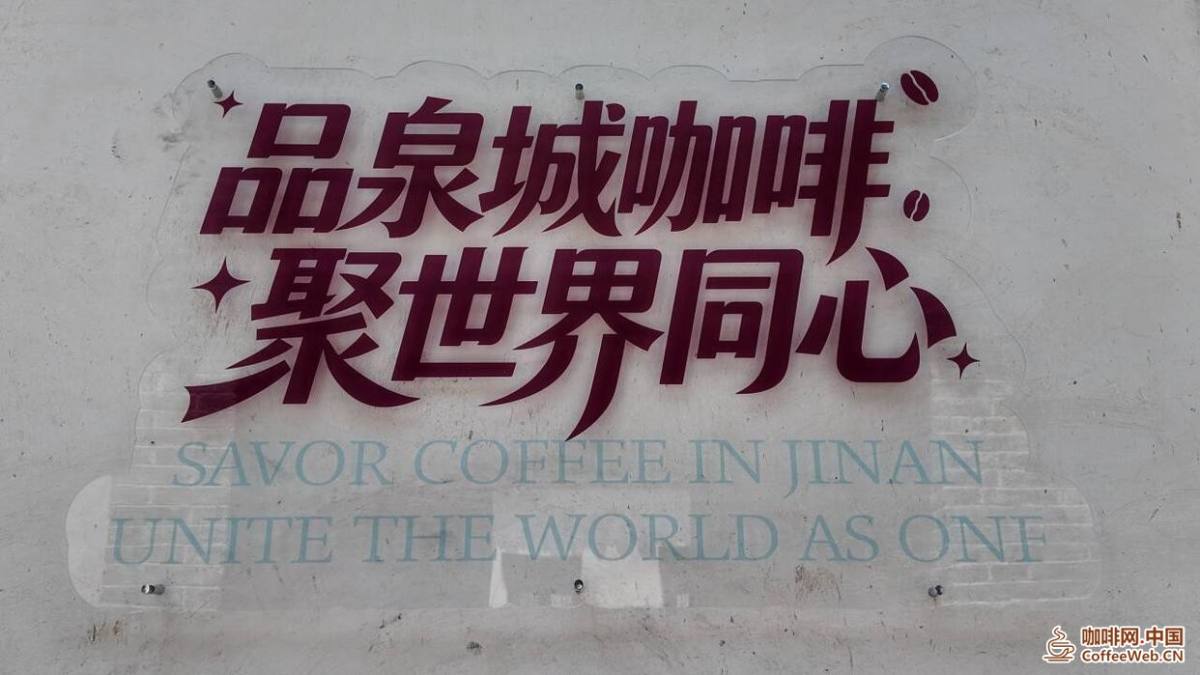
Indeed, today vertical themed markets are becoming one of the offline social scenes most favored by Gen Z nationwide — no need for awkward small talk or forced topics; just step into the same themed market and shared hobbies naturally break the ice. Compared with the clutter and commercialization of comprehensive markets, precise interest tags and a relaxed social atmosphere make vertical markets a “gathering place for the like-minded.”
The blossoming of vertical markets everywhere is inseparable from the proactive planning and support of Jinan’s cultural-tourism authorities. Since 2026, Jinan’s Municipal Bureau of Culture and Tourism, together with commerce and urban-management departments, has launched a “one street, one characteristic” market cultivation plan, encouraging commercial districts and historic blocks to build differentiated vertical themed markets based on their positioning, avoiding homogeneous competition. One small, refined single-category market at a time revitalizes the block’s idle space and fills gaps in niche consumption.
No need to travel far or spend time; finding a niche that fits your hobby right at your doorstep — this is the most direct feeling for many Jinan residents. The same is true nationwide: from Chengdu’s handmade-themed markets to Xiamen’s seaside coffee markets, from Xi’an’s Hanfu-themed markets to Shanghai’s illustration-and-IP markets, more and more single-category vertical themed markets are emerging across the country. Unlike large, all-in-one comprehensive night markets, these small, refined markets precisely match segmented consumption needs, activating the vitality of streets and alleys while also becoming an important lever for local governments to boost consumption and gather popularity.
These old streets and traditional commercial districts, carrying profound history, have slowly grown a trendier, more vibrant new look because of these youthful markets. Amid the everyday bustle lies a youthful spirit — exactly the increasingly moving face of this city.
Street Corner Live Streaming Room
Vertical Markets Activate Consumer Vitality
At Xiamen’s Shapowei Art West District, the monthly coffee-themed market has long become a cultural-tourism calling card for the city. Each market recruits only coffee and related merchants, from specialty beans and creative signature drinks to pour-over gear and coffee cultural products, with highly focused content that attracts coffee lovers from across the province to make a special trip. According to local cultural-tourism authorities, a single weekend coffee market can bring over 10,000 visitor trips to the area, with surrounding dining and homestay foot traffic rising by more than 30% in sync — a small market driving the cultural-tourism consumption chain of the entire block.
Xi’an’s Hanfu-themed market blends traditional culture with vertical consumption just right. Relying on cultural-tourism scenes such as Datang Everbright City and Yongxing Fang, the Hanfu market introduces only businesses related to Hanfu rental, vintage makeup, intangible-cultural-heritage accessories, and ancient-style photography. Visitors can get a complete Hanfu outing experience at one market. The precise category positioning not only lowers visitors’ choice costs but also makes the market an extension of the cultural-tourism scene, effectively lengthening visitors’ stay and driving secondary spending at the scenic area.
Industry insiders note that the popularity of vertical themed markets is essentially an upgrade of urban consumption from “whether you have it” to “whether it’s refined.” Using segmented categories to precisely lock in customer groups and distinctive content to activate block space, these seemingly small markets are becoming a tiny yet solid lever for urban consumption upgrading and cultural-tourism integration.
Generation Z Echo
Markets Become a New Vehicle for Offline Socializing
In Hangzhou, a vertical market open only to journal/planner enthusiasts draws over a thousand young people each time it opens. From washi tapes and stamp motifs to handmade layouts and collage sharing, the entire market is journal-related; enthusiasts gather at booths to exchange recommendations, chatting eagerly without even introducing themselves. Many participants say they normally have few like-minded friends nearby and online chat always feels distant; exchanging materials and sharing tips face to face at a market makes it easy to make like-minded friends.
Wuhan’s vintage-clothing enthusiasts treat the monthly retro market as a regular social gathering. The entire market recruits only vintage-clothing, retro-accessory, and film-camera merchants; young people show up in retro outfits, browse booths, take group photos, and exchange vintage culture — the market more like a large offline gathering of the like-minded. For them, buying things is just incidental; meeting and chatting with like-minded people in a relaxed social setting is the core reason for going to the market.
A sociologist points out that Gen Z’s socializing is shifting from “broad socializing” to “interest-based socializing,” and vertical themed markets happen to provide a natural interest-filtering mechanism. Shared hobbies are the best social currency; the low-threshold, pressure-free atmosphere satisfies young people’s need for emotional value while giving the market economy a more enduring youthful vitality. (Jinan Daily · Ai Jinan reporter: Cao Yaxin)
Street corner live streaming room
Vertical markets activate consumer vitality
Generation Z Echo
Reprint Notice & Disclaimer
- This article has been edited and compiled by China Coffee Network. The information and images therein come from public sources and the copyright belongs to the original author. This reprint is intended solely for information sharing within the coffee industry and does not represent the views of this website; all data and opinions are subject to the original article. Our thanks to the original author for creating and sharing it.
- For matters concerning content licensing, attribution, copyright or otherwise, please contact us promptly and we will verify and cooperate in handling them as soon as possible. We also welcome coffee origins, brands and industry media to exchange ideas and contribute articles.
- Contact China Coffee Network: Tel 400-0000-641 (+86-18288016826) | Email 478203668@qq.com
Related Reading
 Jiangxi Wuyuan: Rural Coffee Unlocks New Cultural Tourism Formats
 Jiangxi Wuyuan: Rural Cafes Unlock New Cultural Tourism Formats
 Global quality goods gather at Hongqiao Import Commodity Exhibition Center, setting "Chinese standards" for coffee
- Global premium products gather to set China's coffee standards as Hongqiao Import Commodity Exhibition Center keeps the CIIE spirit alive
- Global quality goods gather as Hongqiao Import Commodity Exhibition Center and CIIE forge lasting partnership to set China's coffee standards.
 Zhejiang "Science Cafe" Promotes Embodied Intelligence in Real-World Scenarios


 Liaoning ICP Security No. 21122402000217