
Consumption is changing profoundly today — consumers pay not only for goods but willingly for unique experiences and emotional feeling. The experience economy is blooming everywhere; what new tricks does it hide?
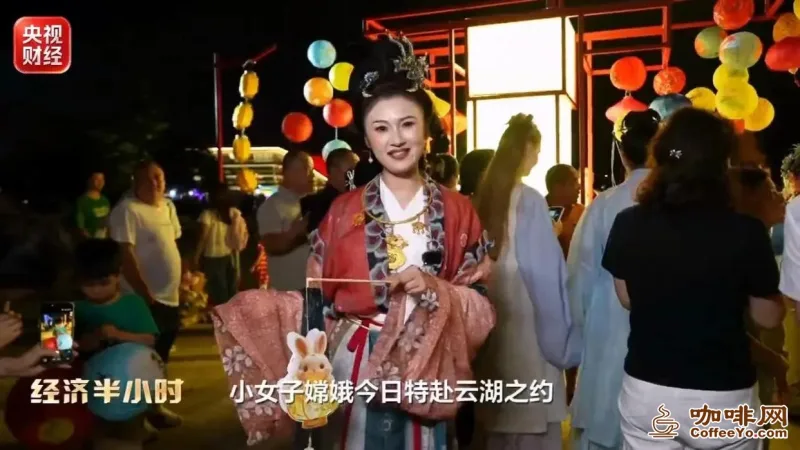
Immersive market
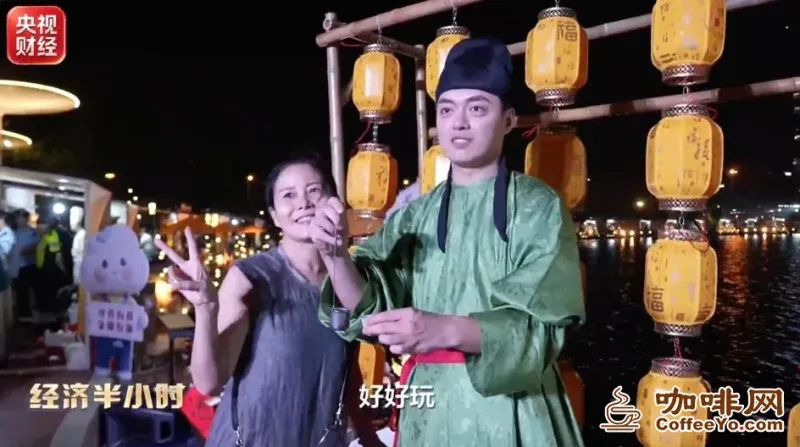
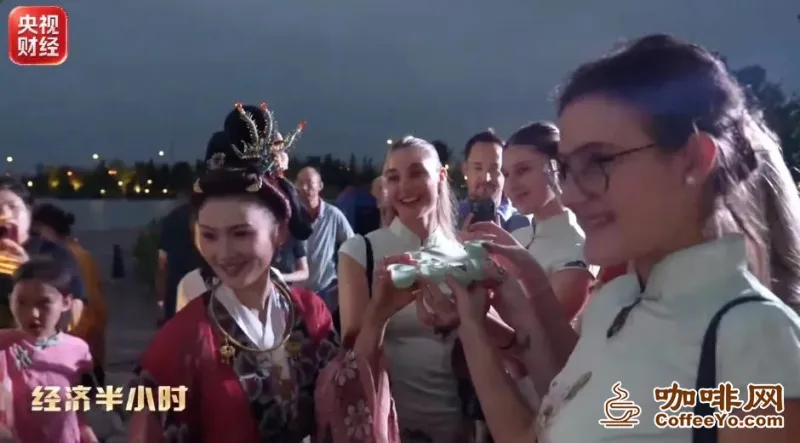
In Changzhou, drinking osmanthus rice wine at Mid-Autumn is a long-standing custom; locals deliberately restored the stalls to look like ancient wine shops, inviting a local intangible-heritage sweet-rice-wine brand to set up. Visitors vied to taste: “Very good, sweet on the palate. Antique and full of feeling.”
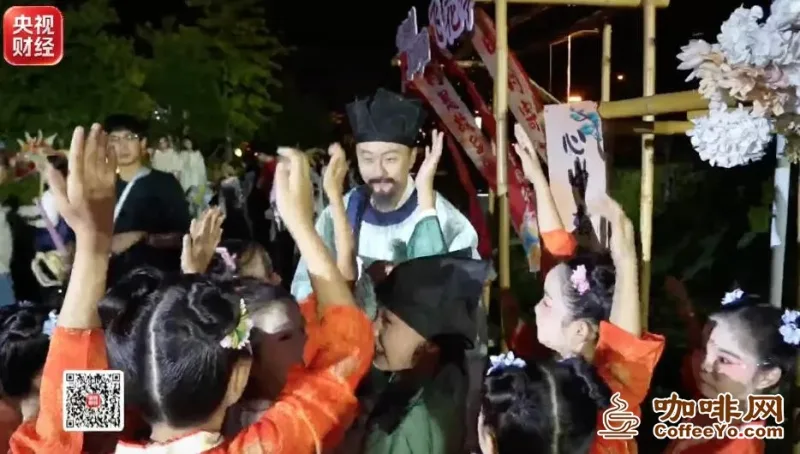
The market’s hands-on zone let visitors make mooncakes and lanterns, drawing many foreign friends to try. German visitor Christian Schmidt said he loves Chinese culture and the immersive experience let him feel traditional Chinese culture.
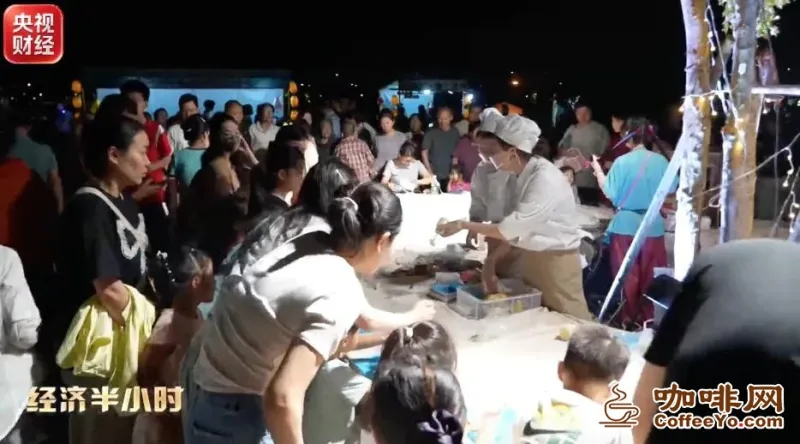
Merchants put intangible-heritage explanation, live performance and tasting experience ahead of selling; once the scene is built, consumption happens naturally. When visitors leave, they take not just food and crafts but a time-travel memory.

Following the coffee aroma, the reporter found this pour-over shop. Small as it is, it loses no refinement; a dozen-plus coffee beans line the open bar. For a little over ten yuan you can buy a cup of pour-over — sipping coffee on the way to buying groceries, finding relaxed leisure in the market’s earthly bustle, attracts many nearby residents.
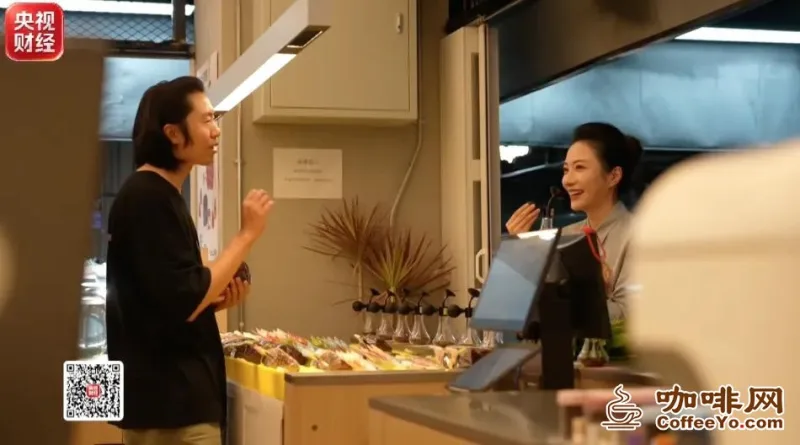
This isn’t the only café opened inside a market. A specialty pour-over in a Chengdu market breaks coffee’s “bourgeois and aloof” label. It’s not only a new choice for nearby office workers but tourists from Shenzhen visiting Chengdu come specifically to experience a “market coffee.”
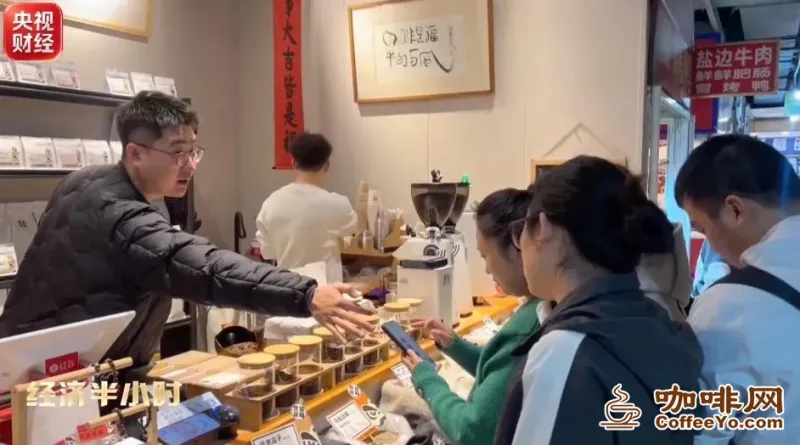
A cup of coffee brews a sense of ease. Founder Yang Peiheng thinks coffee is also a roasted good, fitting the market’s logic. Many coffee fanatics say buying beans in the market lets you enjoy the roasting process — heat, time, aroma, the combination and control of variables is full of delight, an immersive experience online shopping can’t offer.
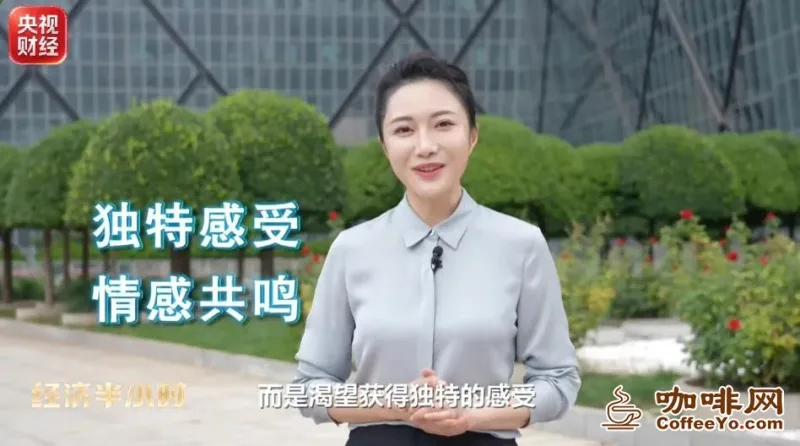
Commercial competition no longer merely compares price and scale, but scene and warmth — reading the public’s emotional needs, turning an ordinary purchase into a memorable, personal memory. The experience economy keeps unlocking domestic-demand potential, meeting people’s yearning for a better life.
Reprint Notice & Disclaimer
- This article has been edited and compiled by China Coffee Network. The information and images therein come from public sources and the copyright belongs to the original author. This reprint is intended solely for information sharing within the coffee industry and does not represent the views of this website; all data and opinions are subject to the original article. Our thanks to the original author for creating and sharing it.
- For matters concerning content licensing, attribution, copyright or otherwise, please contact us promptly and we will verify and cooperate in handling them as soon as possible. We also welcome coffee origins, brands and industry media to exchange ideas and contribute articles.
- Contact China Coffee Network: Tel 400-0000-641 (+86-18288016826) | Email 405854472@qq.com | Address: Jinghong, Xishuangbanna, Yunnan Province / Tieling, Liaoning Province
Related Reading
 How ‘Sea-Flavored’ Coffee Blooms Across Dongtou
- Health Guide: How to Enjoy Your Coffee the Healthy Way
 Study: Regular Coffee and Tea May Lower Dementia Risk, but More Is Not Better
 Frontline Story: A ‘Mobile City Coffee Bar’ Arrives by the Grand Canal
 Yantai’s Wind Tastes of Coffee
 In Zhenyuan, a Cup of Coffee and a Waiting Train







 Liaoning ICP Security No. 21122402000217