
Recently, a lifestyle called the “big-water theory” went viral on social platforms.
So-called “drinking big water” means setting aside milk tea, coffee and sugary drinks, and carrying a 1.5-liter or even 2-liter bottle of plain water. Netizens paired it with meme copy like “the weak drink beverages, the strong drink big water” and “small water quenches thirst, big water quenches life.”
Though the “big-water theory” is not a real scientific theory, the direction of replacing some sugary drinks with plain water and reminding yourself to proactively hydrate is indeed worth affirming.
However, a big bottle of water does not mean finishing it at once, and “gulping” is not scientific hydration.
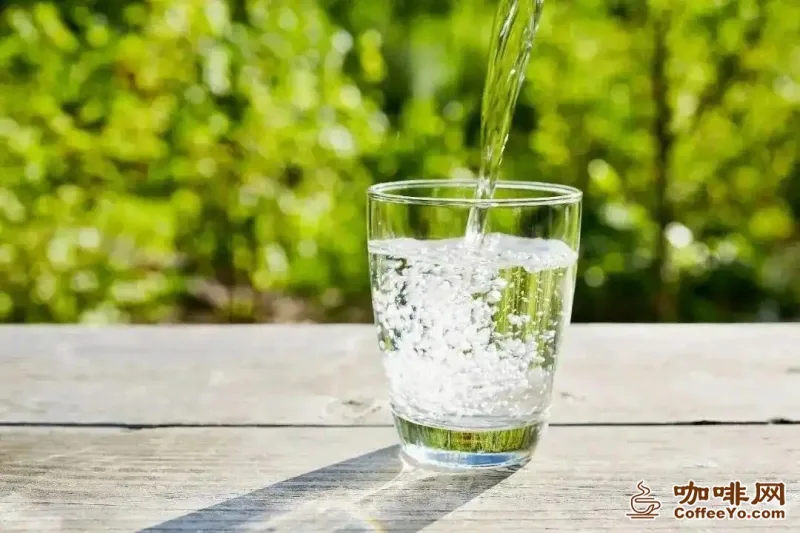
Can plain water replacing sweet drinks
really help with weight loss
or lowering kidney-stone risk?
Though milk tea, juice and carbonated drinks also contain water, they usually bring plenty of added sugar.
Some coffee drinks also add syrup, cream and other ingredients; long-term heavy consumption can raise sugar and calorie intake. If you swap some of these for plain water, you reduce not only beverage spending but also extra sugar and calories.
Authoritative experts pooled past water-related studies for a systematic analysis, concluding that drinking water does have multiple clear and potential benefits worth further evaluating; the study was published in a JAMA sub-journal (JAMA Network Open).
The systematic analysis found 1,464 studies across several databases and finally included 18 population-based randomized controlled trials.
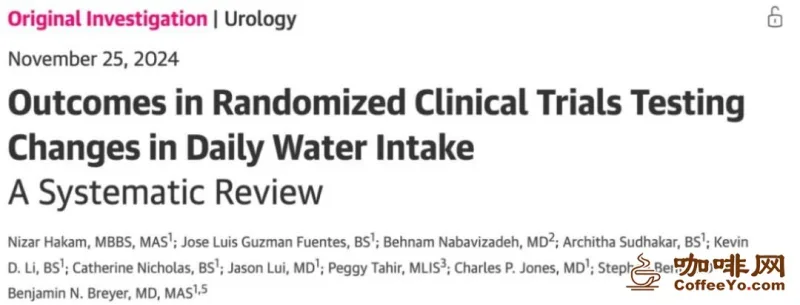
Three studies found: overweight or obese adults who drank water before meals — 1,500 ml daily for 12 weeks to 12 months — lost more weight than overweight/obese adults who did not.
However, another study of 38 participants found no association between higher water intake and weight when drinking was not before meals. This may relate to pre-meal water boosting satiety, reducing total dietary intake, and replacing high-calorie drinks.
Two studies revealed the relationship between increased water intake and kidney-stone risk.
One study of healthy adults aged 25–50 found those adding 2,000 ml/day had lower kidney-stone risk, and vice versa. Another studied first-time calcium-stone patients in a controlled trial; the experimental group raised intake until urine ≥2,000 ml/day, and after 5 years had 15 fewer recurrences per 100 participants than the control group, with later recurrence time as well.
In other words, more water not only lowers healthy people’s kidney-stone risk, but also significantly reduces recurrence risk and delays recurrence in stone patients.
A-grade hospital doctor reminds:
Big bottle is fine,
but don’t gulp at once
Xu Yingying, chief physician of endocrinology at Zhejiang Zhongshan Hospital, said “drinking big water” is not scientific hydration; gulping can trigger hyponatremia.
Taking in too much water in a short time, beyond the kidneys’ regulation and excretion capacity, can dilute blood sodium concentration, causing dilutional hyponatremia — commonly called “water intoxication.”
Patients may have headache, nausea, fatigue and other symptoms; severe cases can involve disturbed consciousness.
Therefore, a 1.5 L or 2 L bottle can be drunk in divided doses through the day; it should not become a timed “empty-the-bottle challenge.”
How much water per day?
The “Chinese Dietary Guidelines (2022)” suggest, in temperate climate with low activity:
Adult men about 1,700 ml/day;
Adult women about 1,500 ml/day.
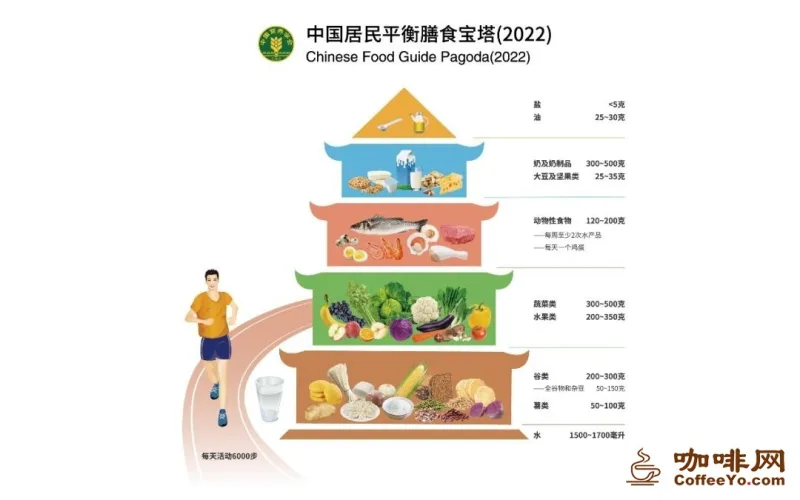
These are only reference amounts under general conditions. In hot weather, high activity, heavy physical labor or obvious sweating, increase appropriately by actual situation.
Scientific hydration emphasizes small amounts frequently and proactive drinking. Rather than not drinking for long then gulping when thirsty, spread intake across the day.
For healthy people, urine color is a simple reference. Normal urine is usually clear yellow or pale yellow; if clearly darker, the body may need water. But urine color is affected by diet, medication and disease, and is not a diagnostic basis.
These people should not blindly follow
The “big-water theory” is not for everyone. Those with heart failure, impaired kidney function or others needing fluid restriction should arrange intake per doctor’s advice, not increase on their own.
After high-temperature work, prolonged exercise or heavy sweating, the body loses not only water but also some electrolytes. Then pay attention to small frequent hydration and reasonably supplement electrolytes by exercise intensity and sweating; do not just gulp plain water in a short time.
Also mind water temperature. Rather than “drink more hot water,” drink warm water appropriately. Long-term drinks above 65°C may repeatedly damage the esophageal mucosa. Freshly boiled water and hot soup should cool somewhat before drinking.
Ultimately, what the “big-water theory” should truly advocate is drinking fewer sugary drinks and forming a proactive hydration habit.
(Source: Science Popularization China, CCTV News, Qianjiang Video, “Chinese Dietary Guidelines (2022)”)
Compiled by Yangcheng Evening News, Yangcheng Pai, Jin Yang Network
Text by Yang Jinyi
Source: Yangcheng Evening News
Reprint note and disclaimer
This article is reprinted by coffeeyo.com from Yangcheng Evening News. The copyright of the original belongs to the original publisher and author. This article is edited and organized by coffeeyo.com. Our reprint is solely for coffee-industry information sharing and does not represent this site’s stance; all data and views follow the original.
For content authorization, attribution, copyright or other matters, please contact this site promptly; we will verify and cooperate at the earliest convenience.
Contact coffeeyo.com: Tel 400-0000-641 (+86-18288016826) | Email 405854472@qq.com | Address: Jinghong City, Xishuangbanna, Yunnan / Tieling City, Liaoning
Reprint Notice & Disclaimer
- This article has been edited and compiled by China Coffee Network. The information and images therein come from public sources and the copyright belongs to the original author. This reprint is intended solely for information sharing within the coffee industry and does not represent the views of this website; all data and opinions are subject to the original article. Our thanks to the original author for creating and sharing it.
- For matters concerning content licensing, attribution, copyright or otherwise, please contact us promptly and we will verify and cooperate in handling them as soon as possible. We also welcome coffee origins, brands and industry media to exchange ideas and contribute articles.
- Contact China Coffee Network: Tel 400-0000-641 (+86-18288016826) | Email 405854472@qq.com | Address: Jinghong, Xishuangbanna, Yunnan Province / Tieling, Liaoning Province
Related Reading
 A ‘Travel Pack’ Reveals Another Possibility for Pu’er Baristas
 Cangyuan: Yanshuai Town Delivers ‘Tech Nourishment’ to Coffee Fields
- 9.9-Yuan Coffee but a 50,000-Yuan Bike: Jiang Nanchun Fears Not Price but Lack of Soul
- After Just 19 Months in Coffee, He Was Called to Save Heineken
 Guangzhou Haizhu Uses Coffee to Engage Delivery Riders in Party Education
- Laishan Police Safeguard the Coffee Festival with Dedicated Patrols




 Liaoning ICP Security No. 21122402000217