
(Source: Nujiang Integrated Media)
If you open the bar
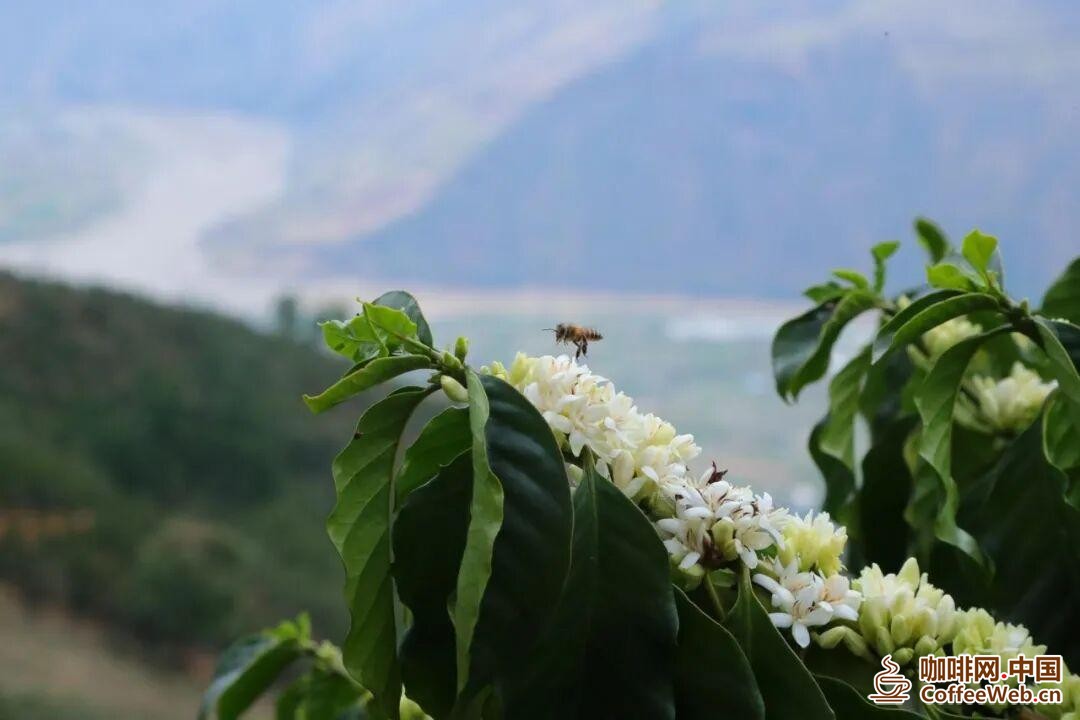
Yunnan coffee still represents China. "This highly anticipated evaluation provides a solid footnote to the coffee industry on the land of Yunling. The Nujiang Grand Canyon, nestled between two mountains and the river, is blessed with fertile soil and fragrant aroma. The unique canyon climate and selenium rich volcanic ash soil have nurtured the unique flavor of Nujiang premium coffee. In recent years, premium coffee in Nujiang Prefecture has seized the opportunity of industrial transformation, rooted in high mountains and canyons, deeply cultivated the entire industry chain, and explored the practical path of transforming ecological advantages into development advantages on the fertile soil of rural revitalization, allowing deep mountain coffee beans to unleash enormous development potential.
A coffee bean reflects the changes in the industry; The Grand Canyon on one side holds infinite opportunities. Starting today, we will launch a series of reports titled "China Coffee Sees Yunnan's Infinite Possibilities in the Nujiang River". We will explore the canyon mountains and fields, visit estates and fields, and record the complete practice of Nujiang premium coffee from planting and management, deep processing to brand building, and coffee tourism integration through text and lens. We will explain the breakthrough path of the high-altitude coffee industry and tell vivid stories of industrial prosperity and people's wealth on the canyon land. Stay tuned!
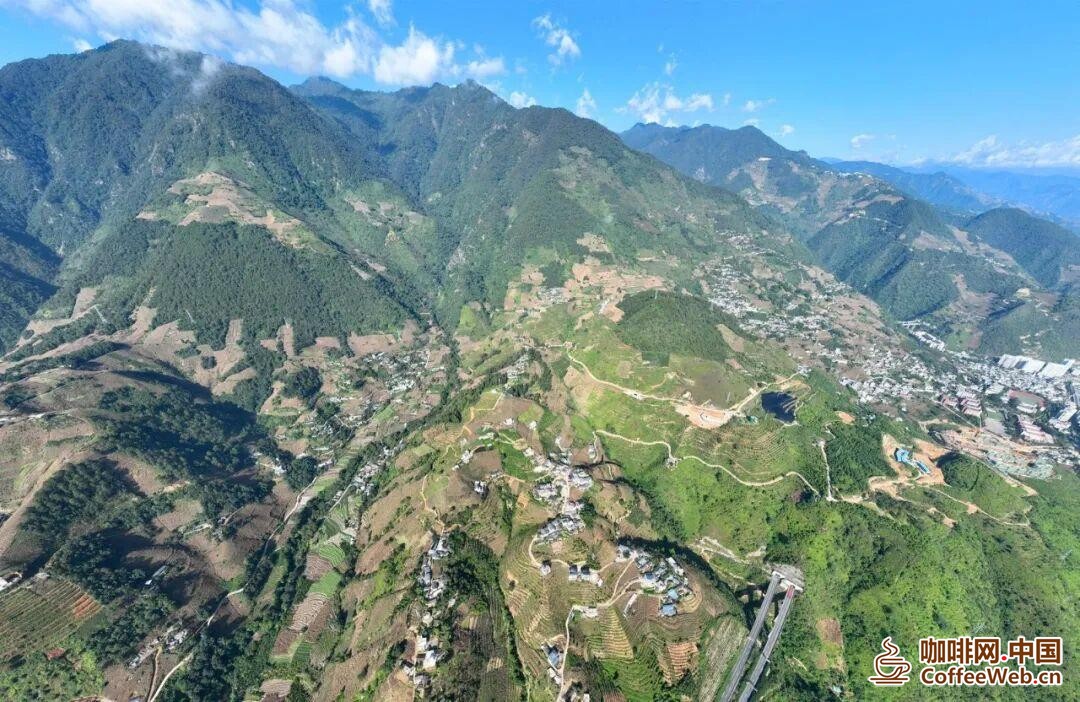
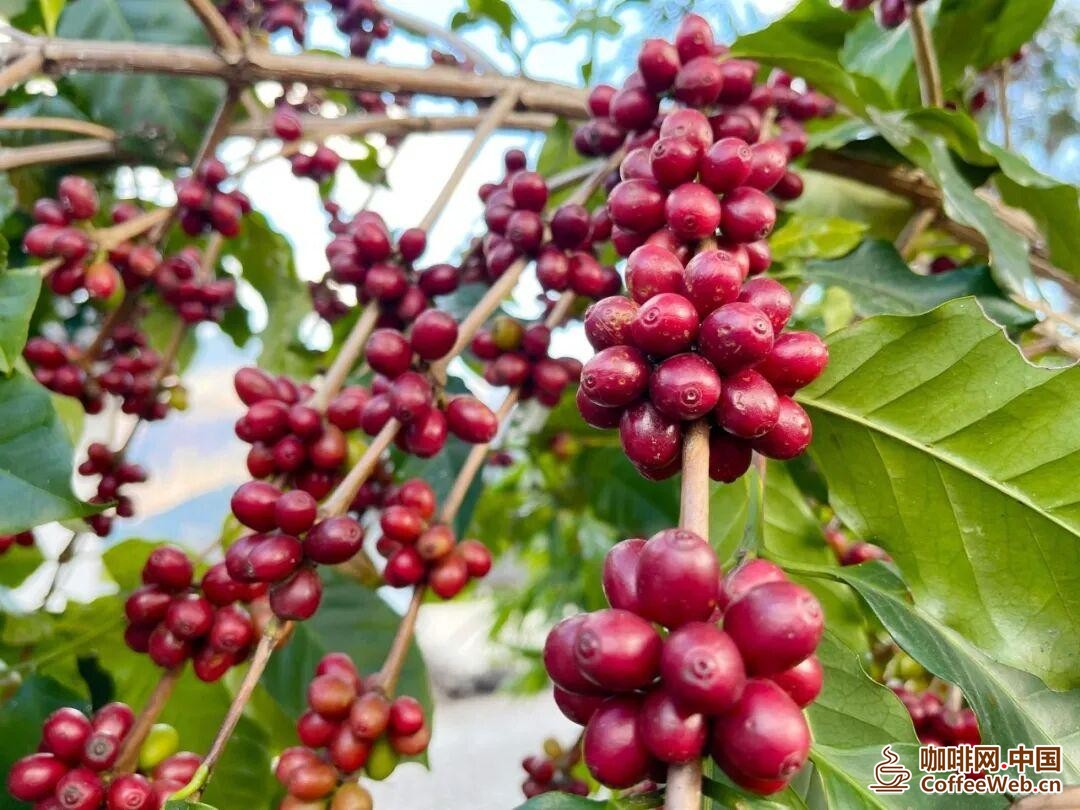
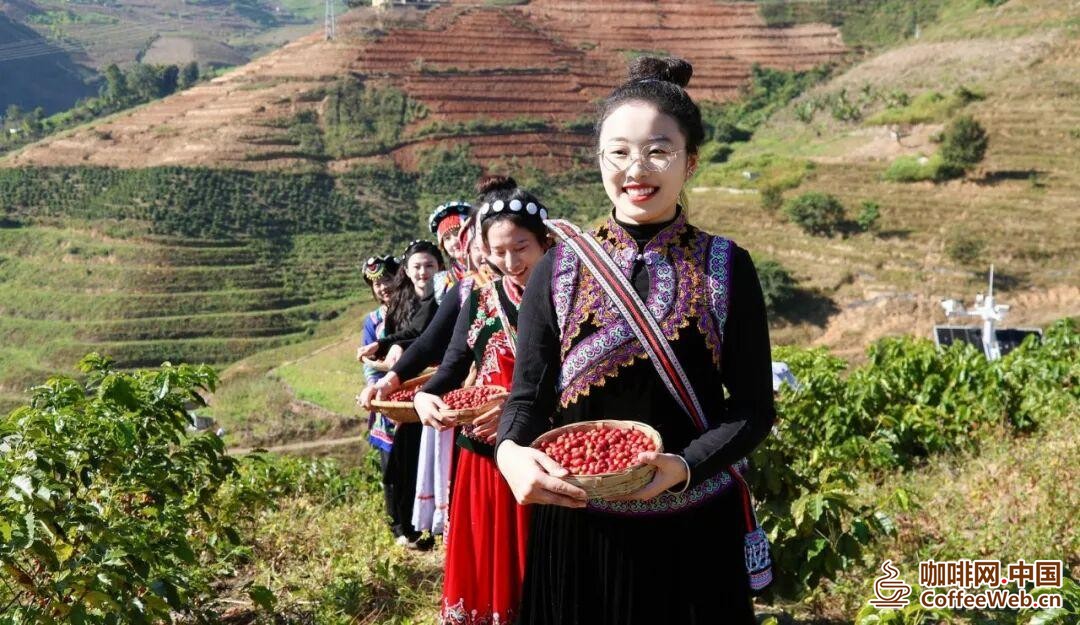
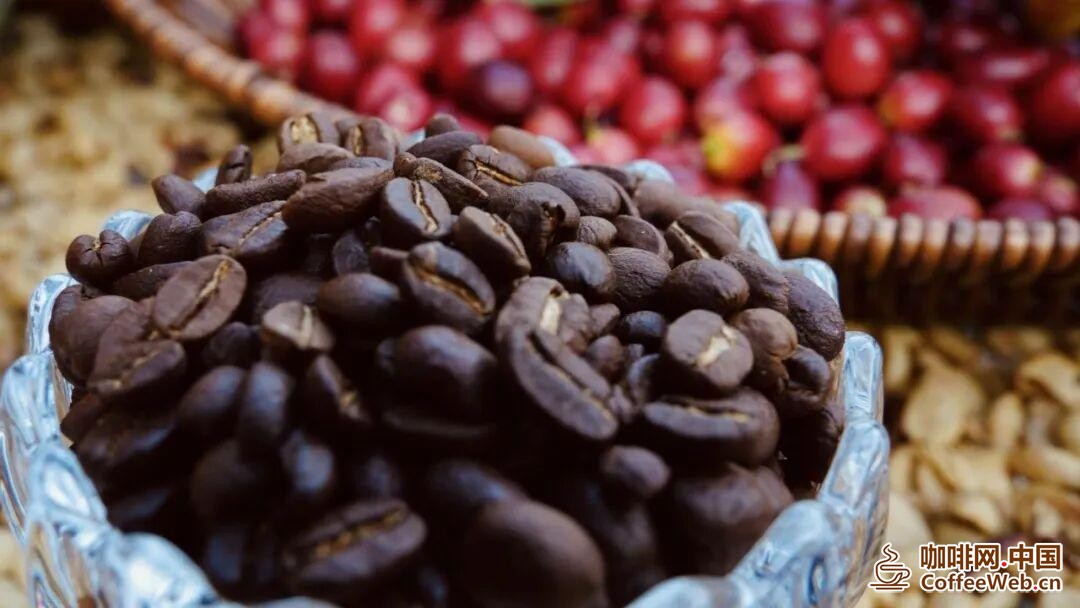
In the morning, a thin mist wraps around the thousand fold folds of Gaoligong Mountain. On the soft and selenium rich volcanic ash layer, clusters of bright red and plump coffee berries hang from the branches.
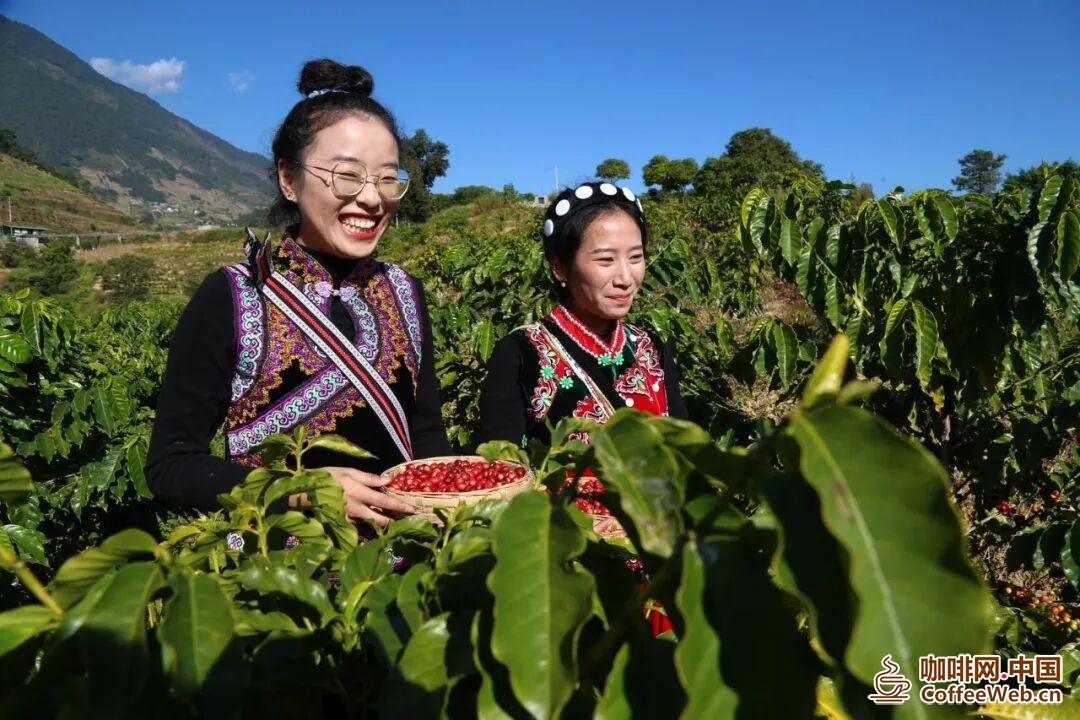
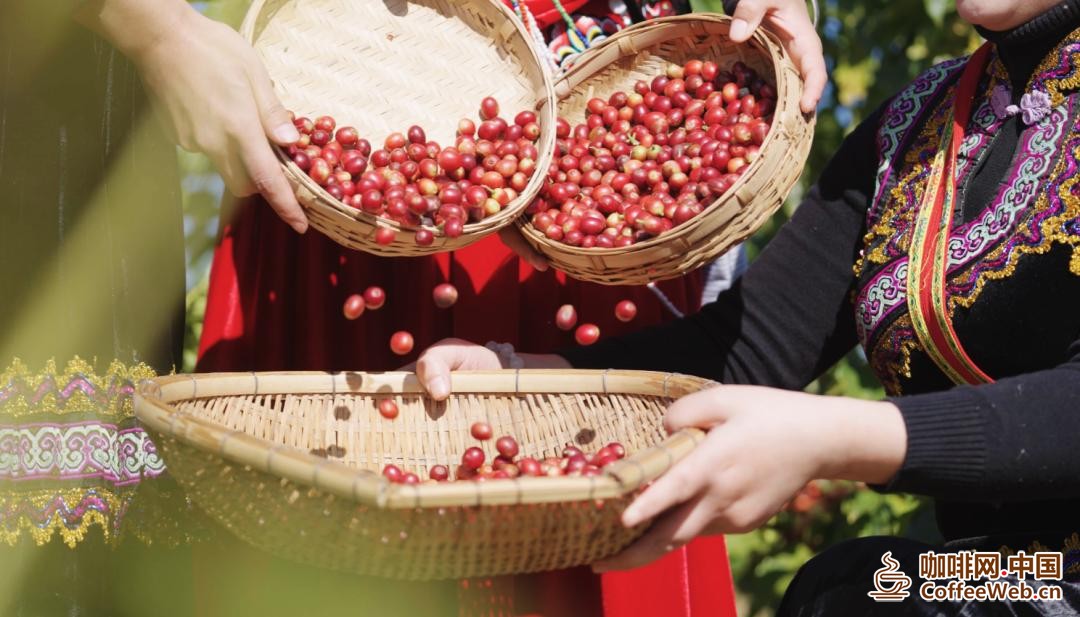
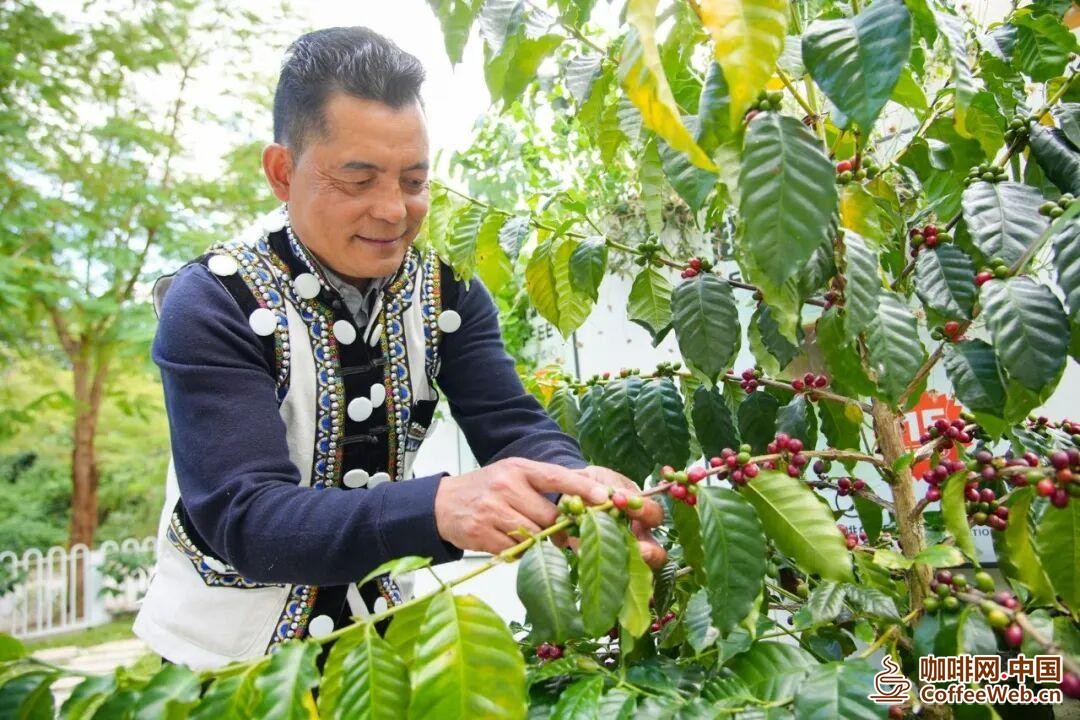
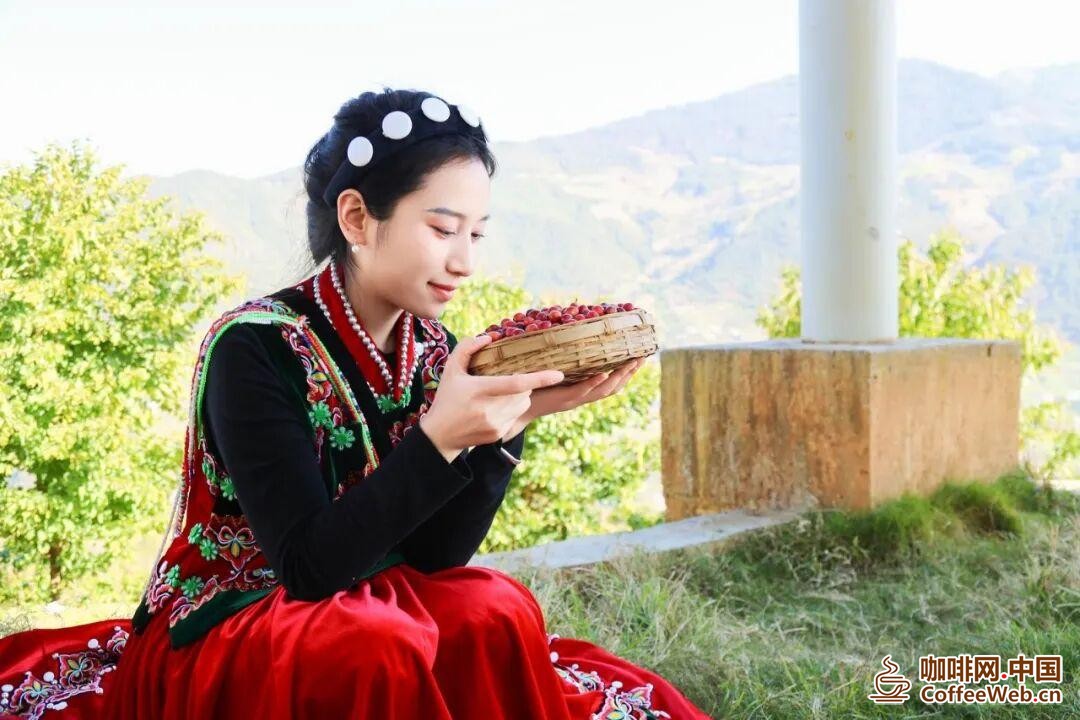
The Lisu tribe's Kanong Fang Yuniu arched her body, her fingertips caressing the red fruits, and the ripe fresh fruits hung all over the branches. In the bamboo basket, the sweetness of fresh coffee mixed with the moist water vapor of the canyon slowly dispersed among the mountains and forests.
A few years ago, coffee was just a sporadic sideline in the mountains. Corn, sugarcane, and grass fruits are the main sources of livelihood for local residents.
As an emerging hotspot for Yunnan's premium coffee, Nujiang Prefecture boasts a unique three-dimensional valley climate. Nujiang Prefecture has launched a combination of technology, talent, finance, branding, and market empowerment, transforming its unique local characteristics into sustainable industries that benefit the people. Nowadays, 100000 acres of standardized coffee gardens are spread along the river valley, and a complete industrial chain of seedling breeding, ecological planting, deep processing, brand operation, and coffee tourism integration has emerged. A cup of coffee produced in a high mountain canyon has become the most vibrant answer to rural revitalization and wealth creation.
The choice of a seed: to infuse the flavor of the canyon into the soil
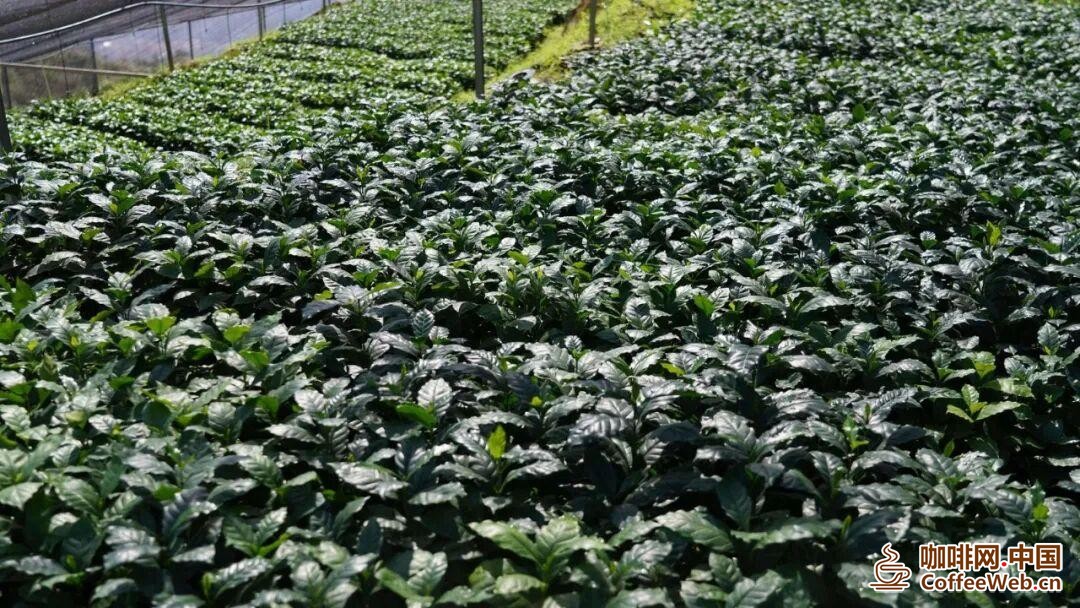
The answer to a good cup of coffee is hidden in a seed. Selecting good varieties and cultivating good seedlings is the first proposition for Nujiang Coffee to break through.
Shangjiang Town, Lushui City, is a 350 acre demonstration base for the expansion and propagation of premium coffee germplasm resources, with clear division of fields.
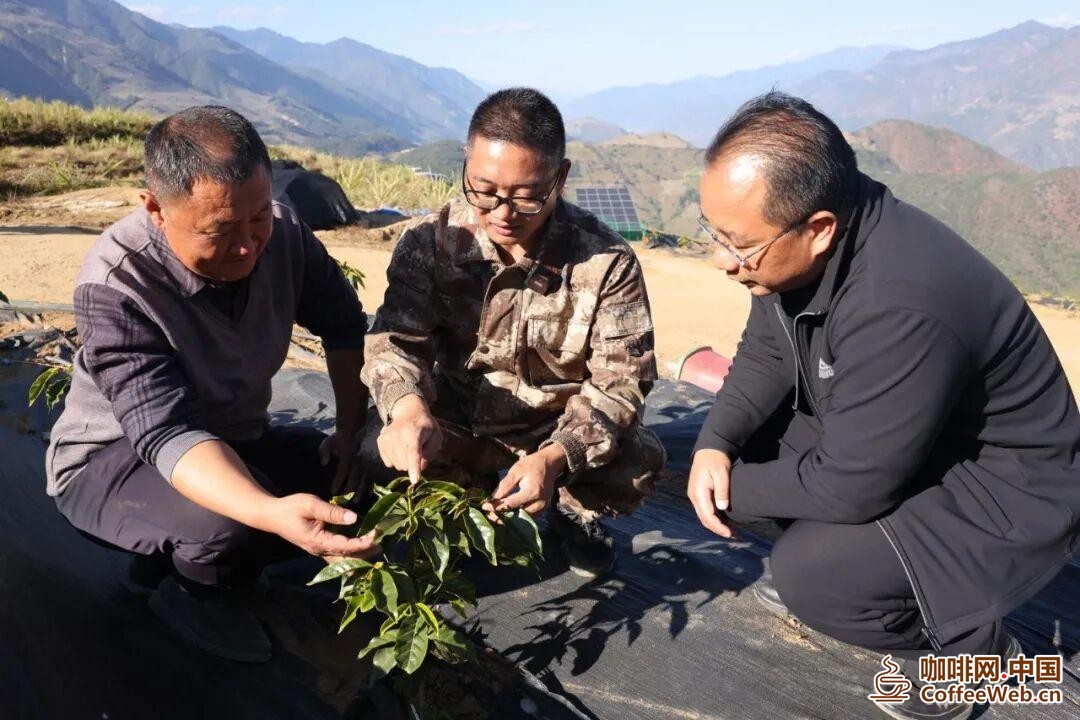
The locally bred Yunka 2, Biluoxue, Gaoligong, and Dere 5 stand neatly, while international premium varieties such as Guixia, Bobang, and Tiepika are arranged in different zones for comparative experiments. Technicians take root in the fields, observe the growth day after day, record the flavor of cups, and screen excellent individual plants.
In the past, coffee varieties in the Nujiang Mountains were mixed and aged, with uneven quality. Coffee farmers work from sunrise to sunset, and their hard-earned coffee beans cannot sell at their ideal price.
To reverse the predicament, Nujiang Prefecture has anchored the core of high-quality varieties and promoted variety updates and iterations. State and city technicians soak in the fields all year round, running around surrounding villages to teach farmers about identifying good varieties and seedling management. At present, the planting area of high-quality specialty coffee in the whole state has reached 90000 acres, and the coverage rate of good varieties has increased to 90%. The situation of old varieties unifying the mountains and fields has been completely rewritten, locking in the unique flavor background of the Nujiang Canyon from the source.
The landing of high-quality seeds also requires adaptation to the reality of mountainous areas. The scarcity of flat land and the abundance of sloping land in the Nujiang River have hindered the development of industries everywhere. Nujiang Prefecture is exploring a composite ecological model of grain coffee collaboration and forest fruit intercropping, planting coffee in the middle of inefficient slopes and renovated terraced fields. While maintaining the bottom line of food security, fully unleash the three-dimensional spatial value of mountainous areas.
Qiao Yuguang from Fuba Village was one of the earliest explorers in the canyon. In the 1990s, when most villagers were only willing to live on the cornfield, he was the first to try growing coffee. At first, there were doubts everywhere: "If you grow too much coffee, you can't sell it, pigs won't eat or peck chickens, and people can't get used to it either. At the edge of the fire pit, Qiao Yuguang went door-to-door to preach at night, breaking down the market prospects and telling the neighbors, driving the entire village to plant a 300 acre coffee demonstration park.
Fang Yuniu, an experienced farmer with over 10 years of planting experience, is also a beneficiary of the compound planting model. In the past, only corn was grown in the fields, and after deducting fertilizer seeds, there was not much savings left throughout the year. Now, when corn is intercropped with coffee, the ground is rich in selenium volcanic soil, and the purchase price of coffee beans is higher than that of ordinary production areas. The family's income is increasing year by year
Double harvest in one place, food guarantees food supply, and coffee promotes income growth. By combining high-quality seeds with scientific intercropping, the limited land in the canyon can have double the hope of growth.
The answer to an altitude of 1200 meters: finding a way out in the shackles of mountains and rivers
At an altitude of 1200 meters, the golden coffee planting belt in the Nujiang River Valley.
Gulongba Village, known as the "Number One Village of Nujiang Coffee", is located on this golden altitude belt. In earlier years, during the dry season, coffee leaves wilted and drooped frequently, resulting in a decline in yield and quality.
Seeking solutions from mountains and waters. Nujiang Prefecture has tackled the tough problem of water shortage by laying 182.2 kilometers of drip irrigation pipelines and constructing a total capacity of 27300 cubic meters of reservoirs in contiguous coffee gardens in Gulongba. The clear springs in the mountains are accumulated and run along the pipeline directly to every coffee tree. The pool stores water, drip irrigation delivers water, and every tree has access to drinking water. Coffee fruits grow evenly, with few green fruits and stable quality.
After the hardware is completed, standardized management and maintenance closely follow. At the state and city levels, coffee planting and management regulations have been introduced, and agricultural technicians are responsible for protecting villages and providing technical services directly to the fields. Strictly implement manual harvesting and grading selection of all red fruits, eliminate mixed harvesting of green fruits, and maintain the bottom line of coffee flavor. During the harvest season, agricultural technicians guard the picking site and teach villagers hand in hand to distinguish fresh red fruits.
The unique water and soil conditions have enabled Nujiang to obtain the certification of "Nujiang Premium Coffee and Climate Characteristic Agricultural Products". The coffee beans have a soft and bright fruit acid, a long-lasting caramel sweetness, and selenium elements bring a long-lasting aftertaste, all reaching the level of boutique, winning the reputation of "Chinese coffee looks at Yunnan, infinite possibilities in the Nu River".
But good soil and water do not necessarily mean a good natural harvest. The mountain industry not only needs to solve the problem of water, but also needs to solve the cognitive problem of people.
Qiao Yuguang deeply understands this. In the early days, many farmers picked green fruits and sold them together, which overall lowered the coffee bean cup test scores. Qiao Yuguang led the backbone of the cooperative to visit the villages and make comparisons on site: on one hand, there were beans processed with all red fruits, and on the other hand, mixed green fruits were harvested. The differences in color, aroma, and taste were visually displayed, gradually reversing the picking habits of farmers.
Good mountains and good soil, if the management and protection cannot keep up, even the best endowment will be in vain. "Qiao Yuguang often tells the members that volcanic ash soil is a gift from heaven, and people should know how to cherish this gift.
From the renovation of water storage and drip irrigation projects to the detailed constraints of field harvesting. Between the canyons at an altitude of 1200 meters, the Nu River responds to the simplest proposition of mountainous industries: to steadily transform the gifts of nature into tangible benefits for the people's pockets.
Exploring the Industrial Chain: Five Empowerments to Keep Canyon Value in the Countryside
There are good seeds, soil and water, and management and protection, which are just the first half of industrial development.
Characteristic industries in border ethnic areas, where raw materials leave the mountains and most profits remain outside the mountains. How to preserve the cultural value of the canyon in the local area and solve the problem of being trapped in the deep mountains while guarding the fertile soil is a historical question that Nujiang Coffee must answer.
Nujiang Prefecture has laid out a "five empowerment" system layout of technology, talent, finance, brand, and market, connecting deep processing forward, expanding brand markets backward, and building a complete industrial closed loop.
Technology empowers sinking into the earth and solidifies the standardized foundation of mountainous areas. In response to the current situation of scattered plots and mostly sloping land, the agricultural technology team has summarized suitable mountain planting regulations for the Nujiang River, designated suitable planting altitudes, promoted compound cultivation of grain coffee and forest coffee, popularized green prevention and control, replaced chemical fertilizers with organic fertilizers, reduced soil erosion, and protected precious volcanic ash soil fertility.
Empowering talents to root in villages and cultivate the main force of local industries. The key to the long-term development of industries lies in people. Nujiang Prefecture integrates agricultural and rural areas, research institutes, and industry associations to establish a coffee industry special class, inviting domestic coffee experts to give lectures, covering topics such as planting management, fresh fruit processing, baking and tasting, and brand operation. Agricultural technicians are divided into areas for protection, with regular field patrols and practical training delivered to the fields.
At the same time, local "soil experts" and "Tian Xiucai" will be incubated on-site, cultivating ordinary coffee farmers into industry leaders. Qiao Yuguang is a leading figure in the local industry that has grown up. From the initial trial planting of 3 acres, to the establishment of cooperatives and the founding of Akby Coffee Enterprise, he has driven thousands of households of all ethnic groups to participate in the coffee industry, and many impoverished households rely on coffee to achieve stable income growth.
Financial empowerment for precise drip irrigation, breaking through the funding bottleneck for mountain expansion. Seed procurement, slope improvement, and drip irrigation facilities require investment everywhere. In the past, many farmers had the intention to expand their planting, but were hindered by funds. Financial institutions customize characteristic credit products based on the coffee industry cycle, simplify the credit process, and provide financial support for coffee farmers and cooperatives. The Gulongba Coffee Cooperative has completed the improvement of slope quality through credit, added drip irrigation facilities, and driven more than 30 coffee farmers to expand standardized planting areas. Financial vitality can dispel farmers' concerns about expanding production and promote the wider implementation of ecological planting.
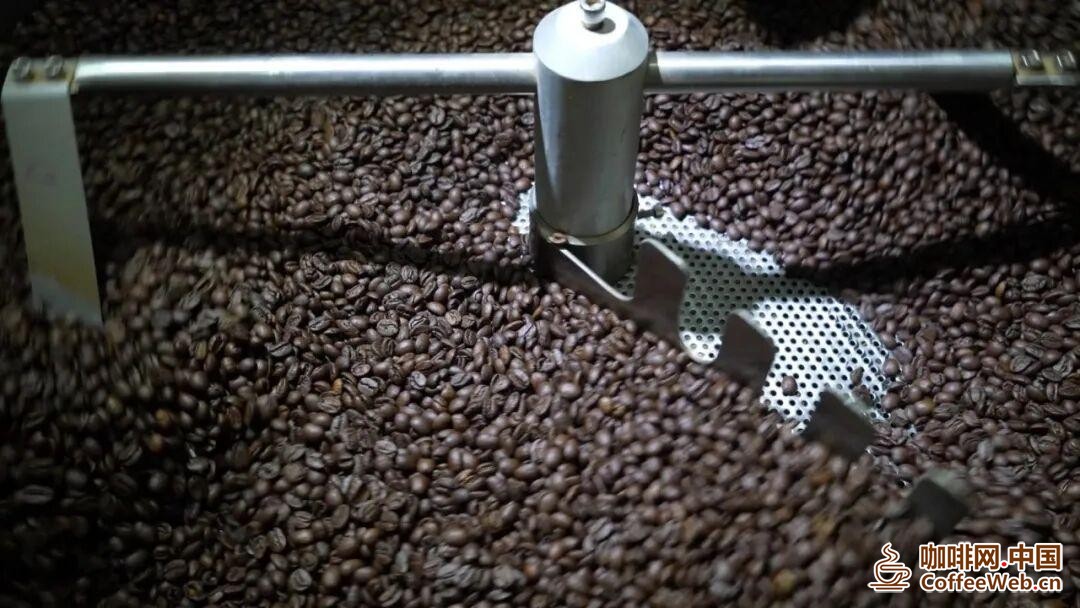
Continuing to empower brands and markets. In his early years, Qiao Yuguang brought coffee beans to Beijing, Shanghai, Guangzhou, and Shenzhen for promotion, but repeatedly encountered obstacles. Without a brand, even the best beans can only be exported as raw materials at low prices. After establishing the "Akby 2020" brand, the company developed multiple products such as roasted beans, hanging ear coffee, and ready to drink coffee, promoting the flavor of the Nujiang Canyon to the domestic consumer market and driving the development of local primary and deep processing, allowing more added value to stay in the canyon.
From sporadic sideline businesses in the mountains to 100000 acres of contiguous industries, from selling only fresh fruits to diversified formats of "planting+processing+cultural tourism". At the foot of Gaoligong Mountain, by the Nu River. Coffee beans bathed in the clouds and mist of the canyon, carrying the longing of various ethnic groups in the border areas for a better life, brewing rich and long-lasting mountain fragrance on the land of rural revitalization.
 Liaoning ICP Security No. 21122402000217