
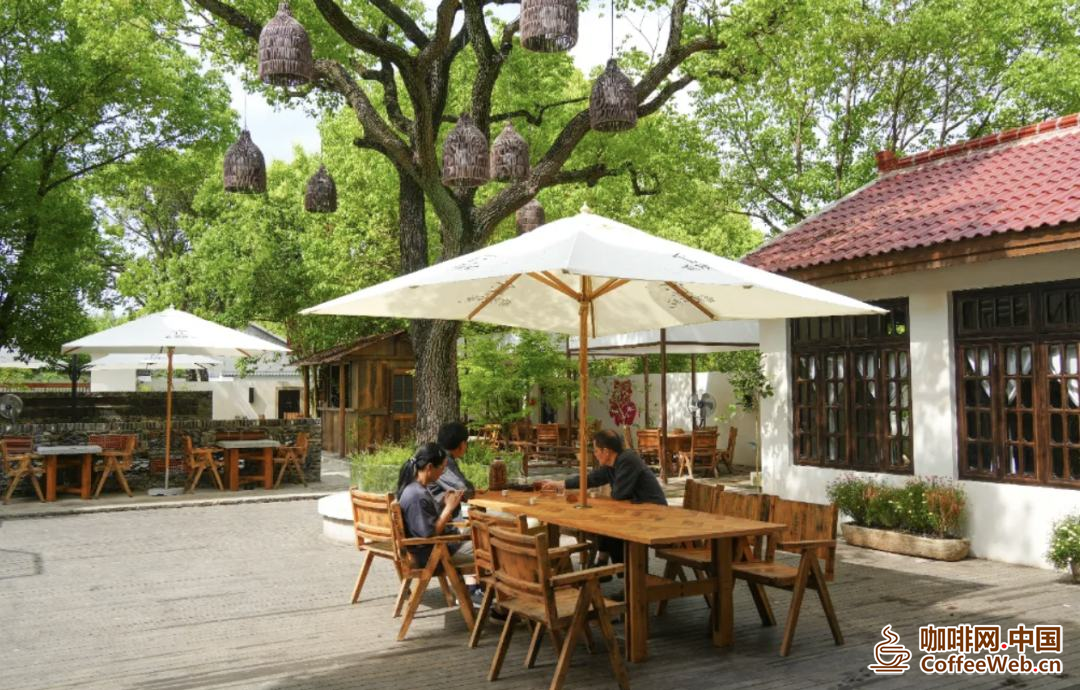
In Shanghai, coffee is no longer exclusive to wutong District and old western-style houses. When the elevated road turns into a tree lined avenue, buildings become shorter, and the sky becomes wider, navigation takes people to the end of a village road. Pushing open the wooden fence door, there are several canvas chairs and a coffee shop in front of the rice fields. This is the most fashionable "village caf é" in the suburbs of Shanghai today. But the popularity of village cafes is never just about "coffee". A small rural caf é awakens dormant local resources, and a continuous flow of customers enters the village, reviving old houses and making the countryside lively, becoming a vivid epitome of Shanghai's integration of agriculture, culture, and tourism.
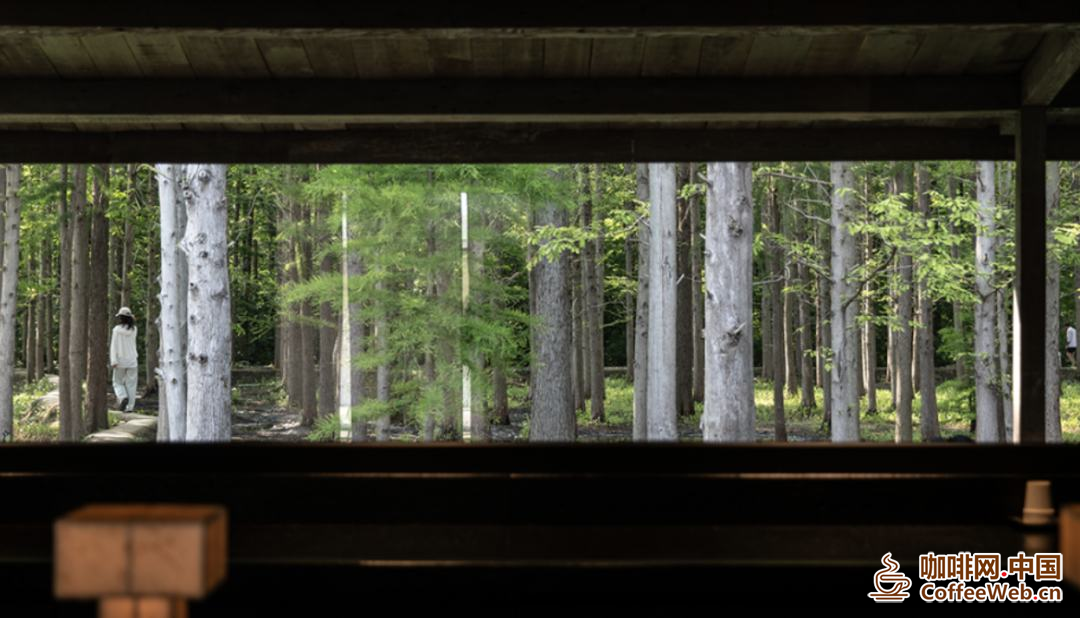
The cool breeze of late summer swayed the wind chimes, and the guests sitting in front of the water fir forest each had a cup of coffee. They sat in front of the lush greenery for an entire afternoon. Drinking coffee in the city is social, while drinking coffee in the countryside is healing. "As many customers have said, the price of a cup of village coffee includes the wind of the wilderness, the greenery of the forest, the tiles of an old house, and hours of idle" relaxation "." I came over with my children and family on the weekend, listened to the wind chimes, looked at the water fir trees, blew the wind, and daydreamed. The pressure of work for a week seems to have been relieved by the wind
The village caf é where guests can't help but take photos and share them on their social media is RuRu Coffee located in Xuejian Village, Qingpu. Four years ago, the host Tang Menglei visited Xuejian Village for the first time and was moved by the water forest by the village. This year, she transformed an old house with white walls and black tiles into a secret realm in the water fir forest, with a dark textured interior and wide and narrow windows facing the water scenery, making the four season scenery the best "decoration". The wind chimes in the yard jingled, and the shadows of trees and birds slowly flowed outside the window. Shortly after opening, it quickly rose to the top of the new store list on the review platform.
We conducted a trial operation in mid to late April and officially opened on May 1st, which immediately became popular and exceeded our expectations. Tang Menglei was somewhat surprised by the popularity of the opening, and even had customers coming from Ningbo and Hangzhou. With more customers, it has also boosted the income of the villagers in the village. They will set up stalls in our caf é to sell ice cream and snacks, and some will sell their own vegetables. This is also something I enjoy
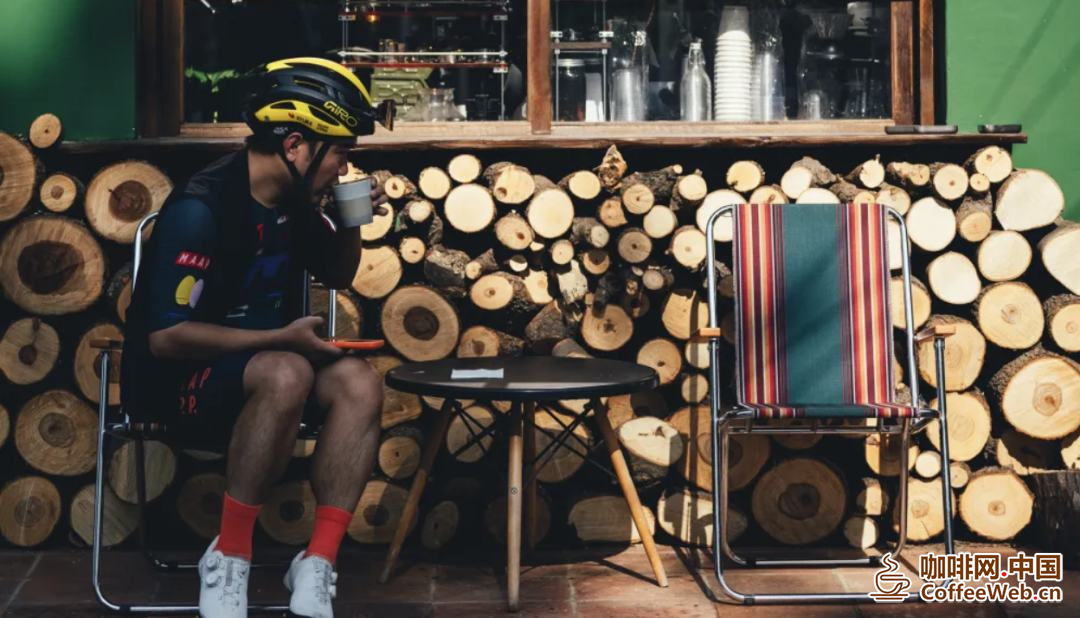
Unlike the exquisite "spatial beauty" of RuRu village cafes, Chaowu, also located in Qingpu, follows the "narrative of home". The nest house is hidden by the Taipu River in Taibei Village, Liantang Town. The green door frames and old red pottery tiles carry the memories of the male protagonist Feng Weiguo in Hong Kong, as well as the shadows of the old countryside. There is no exquisite latte art, the desserts are handmade, and the two adopted dogs always like to rub against customers' legs and have fun. This place is more like a "neighbor's living room" that can be entered by pushing the door than a coffee shop. This beautiful place doesn't even have a place to eat, drink coffee, or rest. "Feng Weiguo's entrepreneurial logic is simple and clear. After retiring and settling in Shanghai from Hong Kong, he loves cycling. Once, while passing by here, he found that Jingmei had no place to rest and replenish along the way. So Chaowu emerged and quickly attracted a large number of cycling enthusiasts and village coffee enthusiasts. "Nowadays, many of our customers are returning customers, 40% are cycling enthusiasts, and 40% are intentionally driving or taking taxis here
These small and beautiful village cafes became popular upon opening, confirming the iron rule of village cafes that their core competitiveness lies in the "village" rather than "coffee". Rice paddies and forests are the "backdrop" that cities cannot replicate, and that carefully designed landscape window frame does not capture the scenery, but rather the urban imagination of slow living. However, after the popularity of traffic, these village caf é practitioners have also seen the hidden worry of "clock in dependence". Most village caf é s rely on self driving passenger flow, which means that customers must "come specifically for you" and have extremely high requirements for the characteristics and quality of the store. Once the traffic heat subsides, the seasonal advantage no longer exists, and the haze of the off-season hangs over many shop owners. Wang Shouwei, the manager of the "front yard and back yard" in Hemu Village, saw it very clearly: "The risk resistance ability of a single business model is too poor, so we rented four idle farmhouses and created a" front yard and back yard "with coffee, Chinese restaurants, homestays, and tea spaces to hedge against off-season fluctuations through diversified operations
From this, it can be seen that "coffee" is the gateway to rural areas, and the integration of diverse business formats is a direction for village cafes to choose from. So, Chaowu combines Hong Kong style tea and cycling culture as a link, integrating coffee, light meals, and community connections into one; RuRu Coffee continues to undertake traditional cultural public welfare courses, attracting customers to participate in rural intangible cultural heritage handicrafts …..
As industry insiders have said, 'It's not that rural areas need coffee shops, but that coffee shops need to leverage the irreplicable scenes and cultural values of rural areas.' Only by rooting in the countryside and coexisting with it can traffic truly settle into the lasting vitality of rural areas.
Source: Archimedes
Text: Yao Yifan
Editor: Wei Jing
 Liaoning ICP Security No. 21122402000217