
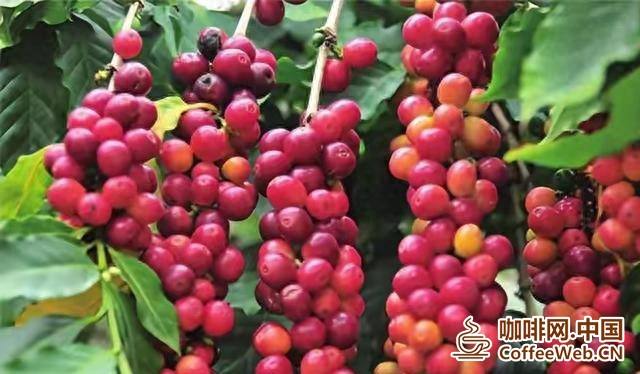

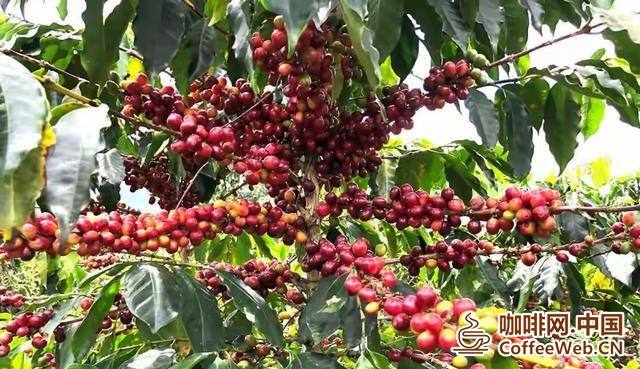
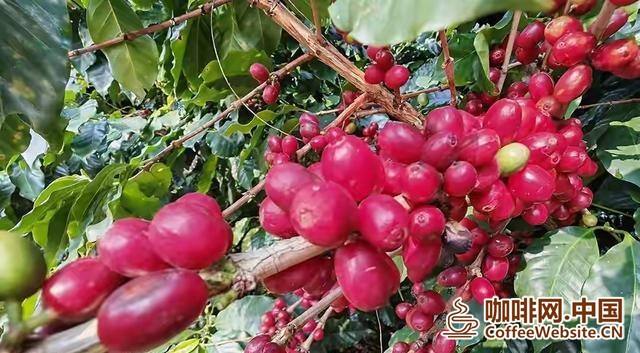
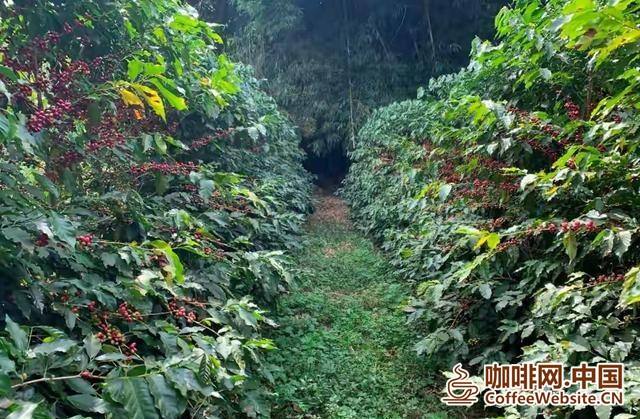
First, let's take a look at the heat. From 2021 to 2025, major production areas will experience an average of 47 days of high temperatures exceeding 30 degrees Celsius per year.
Five top producing countries have an additional 57 days per year.
This is not weather noise, this is the rewriting of growth conditions.
The most comfortable temperature for Arabica is between 18 and 22 degrees Celsius. Beyond 30 degrees Celsius, the stomata of the leaves will tighten, transpiration will be limited, photosynthesis will decrease, and the tree will have difficulty delivering enough sugar into the fruit.
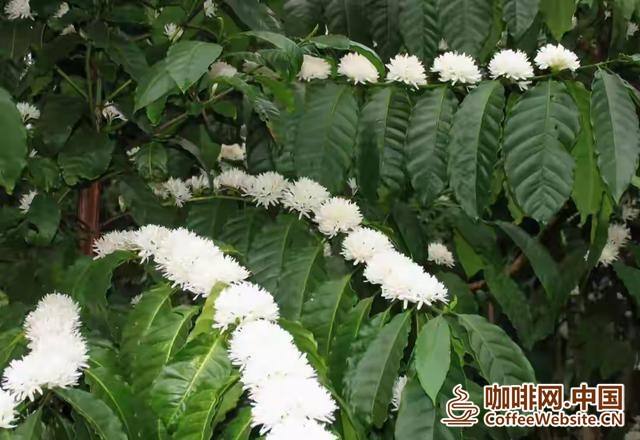
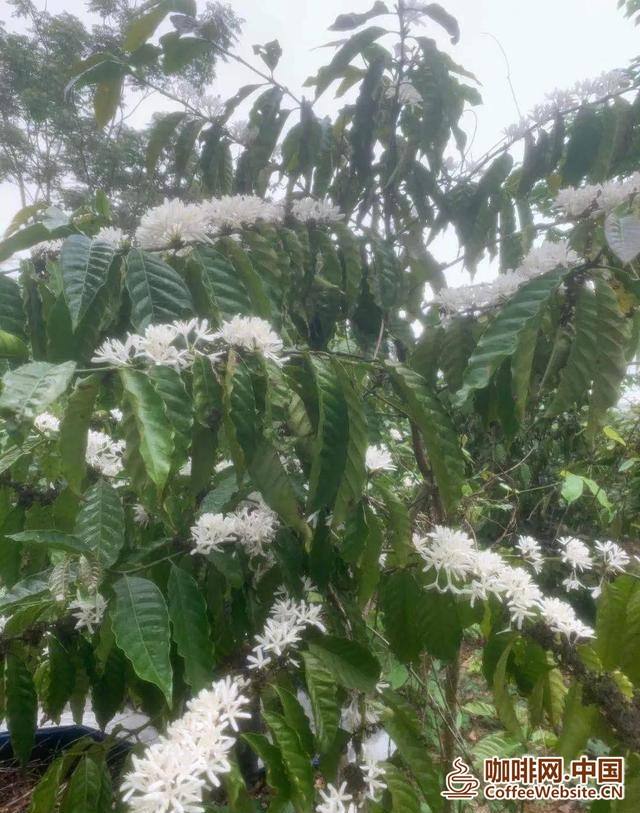
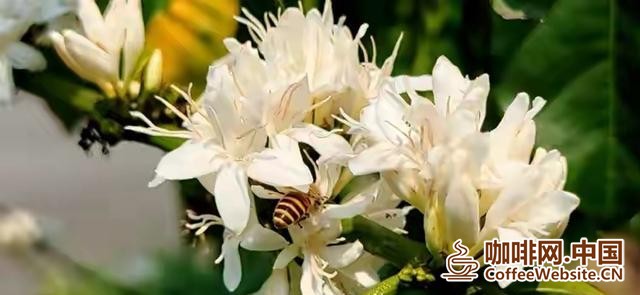
During the flowering period, if exposed to heat, the flowers are prone to fall off, pollination is unstable, and the fruit setting rate decreases.
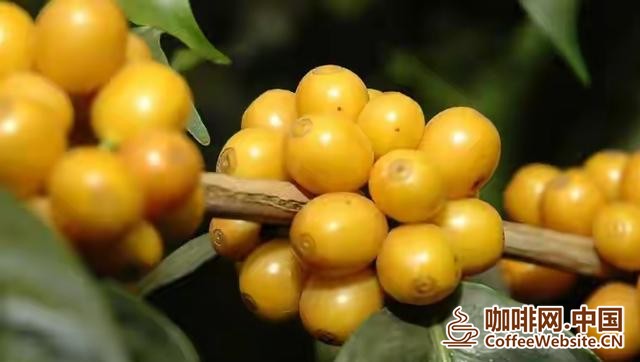
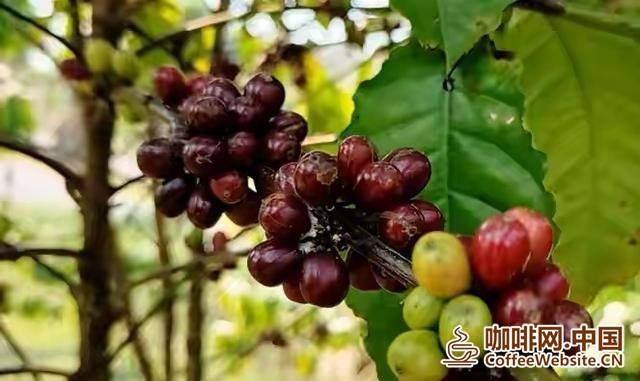
The filling time of beans is compressed, the particles become smaller, the density decreases, and there are fewer aromatic substances during later baking.
Robusta can withstand higher temperatures, but continuous hot weather combined with drought results in slower branch regeneration and increased pest pressure, making rust and scale insects more prone to outbreaks.
The original text mentioned that coffee prefers semi shade, and the shade trees commonly used in actual production are precisely prepared for such hot weather.
Shade can lower the leaf temperature by a few degrees, even if it is 2 to 4 degrees, which is the lifeline for flowers and young fruits.
In addition, planting grass on the ground can reduce soil evaporation, stabilize soil temperature, and prevent root systems from stopping.
There is also an altitude increase of 100 meters, and the average temperature can drop by 0.6 degrees. Many production areas are moving up the slope, which is a response to heat.
Looking at the supply again.
The Brazilian National Supply Company has provided a production forecast for 2026-2027, with 66.2 million bags, 44.1 million bags for Arabica, and 22.1 million bags for Robusta.
Year on year growth of 17%.
Some traders estimated it higher, over 70 million bags.
In the past few years, after experiencing drought and freezing damage, the tree has entered an upward cycle after restoration, which is combined with better field management, including seedling supplementation, pruning, and fertilization.
Last year in Minas do Sul, Brazil, the distribution of rainfall during the flowering period was more balanced, the flowers bloomed more evenly, and the later results were more uniform.
Robusta has been growing in Espiritu Santo and Rondonia for many years, with wider irrigation coverage, less thermal impact on flowering, and increasing yields.
When the market heard this news, futures prices fell, and both Arabica and Robusta hit their lowest points since August last year.
Futures reflect expectations, supply increases, bearish forces strengthen, and positions are adjusted.
It should be noted that the prediction is based on the current weather and tree state. If there is a combination of heat waves and dry winds after flowering, or heavy rainfall during the picking season, the actual production will be discounted. Therefore, a low price does not mean that the risk disappears.
Expand the lens.
The latest estimate from the USDA is that the global production from 2025 to 2026 will be approximately 175 million bags, equivalent to over 10.7 million tons.
Consumption is over 10.1 million tons.
Supply and demand are still tight, and inventory has not accumulated significantly.
The variety structure is changing, with Robusta accounting for about 46% and Arabica decreasing to 54%.
This indicates that the baking side is adjusting the recipe, using a higher proportion of Robusta to reduce costs, while using water washing or post fermentation to enhance flavor.
Cold extraction and ready to drink growth make Robusta more suitable for extraction intensity and flavor stability.
Vietnam's production is expected to increase by six points, reaching over 29 million bags, a new high in nearly four years.
The reason is that the highland rainfall has returned to normal, and farmers have increased fertilization, expanded irrigation points, and entered the peak fruiting period after the old garden was updated.
The pressure on water resources in the central plateau is not small, but the coverage of drip irrigation and water fertilizer integration is increasing, which can reduce unit consumption.
Colombia has experienced a decline, with a cumulative production reduction of 26.4 points in the first four months of the year.
High altitude, abundant clouds and mist. Last year, the end of La Ni ñ a brought too much rain, resulting in less sunshine during the flowering period and scattered flowers. Later on, picking was done in batches, leading to a decrease in efficiency.
Combined with the periodic fluctuations of leaf rust, the proportion of old trees is high, and it takes time to implement updates. This period of decline is difficult to reverse immediately.
Putting these into the framework of botany, the logic is unified.
Coffee trees are evergreen and require a balance between reproductive and nutritional growth.
When the temperature approaches the upper limit, the tree will prioritize survival and sacrifice flowers and fruits.
There is abundant rainfall but weak sunlight, insufficient flower induction, poor flower bud quality, and greater fruit variation in the future.
If the soil is not loose and slightly acidic, the absorption efficiency of the roots will decrease, and the nutrients will not be in place, resulting in poor stress resistance.
Arabica originally paid more attention to environmental details, so the losses in high-temperature years are more obvious.
Robusta is more tolerant, but when combined with temperature, drought, and pest infestations, the pressure also accumulates.
This explains why shading, pruning, and improving varieties are the main focus.
The linkage between price and structure is also clear.
Brazil's high yield expectations have dragged down the market.
But the changes on the consumer side have not given a comprehensive signal of weakening.
The market for functional coffee is estimated to reach 7.8 billion US dollars by 2030, with annual growth in the double digits.
The driving force comes from sleep management, fitness enthusiasts, and a more segmented demand for sugar and fat.
The compound annual growth rate of low calorie coffee is about four and a half points, with an increase in nighttime drinking scenes and stockpiling in offices and homes.
These shift consumption from a singular focus on alertness to more nuanced scenarios.
Baking and store are upgrading their formulas by adding a combination of protein, collagen, and vitamins to capture new customer groups.
In addition, the popularity of plant-based milk, with oats and peas as the base, can stabilize the flavor and increase the selectivity.
The store is also emphasizing the experience, with visual baking, hand washing workstations, and stories of coffee bean production areas all being focused on time and conversion rates.
If the supply side can provide clear traceability and production area information, the store side can receive a premium.
The changes in the Chinese market are crucial.
Kudi stopped selling for 9.9 yuan from February 1st, indicating that the low price period has come to an end.
Promotion below cost can only bring short-term foot traffic, but cannot cover the costs of rent, labor, milk, and beans.
Luckin Coffee is advancing its secondary listing, and the capital hopes to see a stable profit model.
Novartis has completed a large financing, indicating market recognition of differentiation strategies.
What will we run on next?
By balancing the density and quality of the store network, by increasing the proportion of mid to high price points in the product structure, by relying on the membership system and private domain repurchase management, and by relying on the stability and bargaining power of the supply side.
Milk and beans account for the majority of the cost per cup, making it difficult to sustain low prices.
Pulling attention back to the flavor and freshness of coffee itself is a stronger grip.
The current grinding market in China is still on the rise, and the cooling price war will not kill demand. Instead, it is conducive to focusing on the appealing aspects such as taste, origin, and craftsmanship.
Return to the field.
To cope with heat and instability, walk on three legs.
Firstly, the variety.
Use Arabica lines, Robusta improved lines, and hybrid generations that are more resistant to heat and disease.
Genealogy that is resistant to rust, or hybridization between Arabica and Canefra, can improve stability without sacrificing too much flavor.
The quality of seedlings should be up to standard, the rootstock and scion should be matched, and seedling management should keep up.
Secondly, management.
Shade trees are not just decorations, you need to choose tree species, density, and pipe height.
Drip irrigation can use water on the cutting edge, and planting grass on the soil can maintain moisture and reduce evaporation losses by 20 to 30%.
Fertilization should be based on leaf nutrition diagnosis, not on intuition.
Pruning should be done regularly to concentrate nutrients on effective fruiting branches.
Thirdly, transactions and prices.
Long term contracts, premiums, and minimum protection prices can give farmers confidence to invest.
Diversified procurement from multiple production areas on the baking end, spreading out climate risks.
Futures hedging, buy insurance if you should.
Don't bet your life and death on the weather of one district for a year.
I need to add a few words about Brazil's high-yield forecast.
Conab's statistics are based on field sampling and historical models.
Traders' higher estimates incorporate subjective judgments, such as predicting better harvesting efficiency, higher particle grading, and lower defect rates.
The difference between the two reflects the market's different understanding of 'good years'.
Be wary of how long the meteorological window is behind this good year.
If the number of hot days continues to increase and the flowering period is misaligned, the yield of the next year will return to the average in fluctuations.
After the price drops, if there is a signal of production reduction, the rebound will be more rapid.
What the industry needs to do is to replace volatility with the accumulation of certainty, rather than following the ups and downs of the market.
Comparing coffee with other agricultural products, the lesson is right in front of us.
Due to diseases and heat stress in West Africa, cocoa production has declined and prices have skyrocketed in the past two years, causing consumers and industries to passively respond.
Tea is also climbing up in some high-altitude areas, looking for cooler belts.
Coffee still has a time window, the high-altitude areas of Arabica can be expanded, and there is still room for improvement in Robusta's management.
We should take advantage of these years to lay a solid foundation on both the planting and market sides.
Otherwise, the next one pushed away by the heat wave will be coffee.
I support a straightforward judgment: companies that do not prioritize heat resistance and stable production will lose the initiative in the next heat wave.
Do we have to wait until prices passively increase like cocoa before making up for the missed classes?
 Liaoning ICP Security No. 21122402000217