
AI

AI
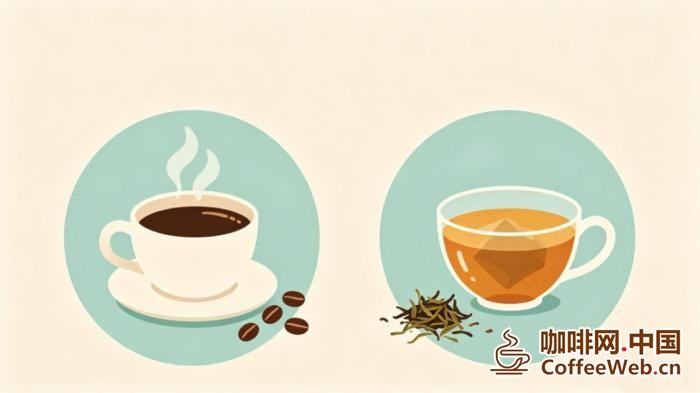
In the fast-paced modern life, coffee and tea often accompany us, becoming one of the most widely consumed beverages worldwide. Did you know? They can also be called the "brain health heroes" in the beverage industry who protect brain health.
The image is generated by AI.
What do coffee and tea contain?
Coffee contains caffeine, which is the core source of strength for Coffee Man. Caffeine is a natural stimulant that is hydrophilic and lipophilic, easily absorbed, with 99% absorbed within 45 minutes, quickly crossing the blood-brain barrier and entering the brain. Adenosine in the brain can make us feel tired, and caffeine binds to adenosine receptors first, blocking the transmission of fatigue signals by adenosine, while promoting the release of dopamine and norepinephrine, allowing the brain to quickly wake up, think more agilely, concentrate more, and improve work and study efficiency.
Tea contains theanine, which is one of the secret weapons of tea warriors. It can promote the production of alpha brain waves in the brain, which keep the brain in a relaxed and awake state, helping to relieve stress and improve emotions; At the same time, tea is rich in antioxidants, such as catechins in green tea, especially EGCG (epigallocatechin gallate), which can cross the blood-brain barrier, clear beta amyloid protein that causes neurodegeneration, reduce brain inflammation, and prevent damage to nerve cells.
What are the benefits of moderate coffee and tea consumption?
The average recommended dose of caffeine is 2.4mg/kg/day, within the moderate range of 2-3 cups per day, there is a potential relationship between continuous coffee drinking and the alleviation of the progress of various diseases, including migraine, stroke, diabetes, several cancer lines, multiple sclerosis, cardiovascular disease, Parkinson's disease and Alzheimer's disease.
Drinking an extra cup of tea every day significantly reduces the risk of dementia by 3.77%, especially the significant effect of EGCG in green tea on reducing the risk of neurodegenerative diseases. The study also found that drinking one cup or less of tea per day can reduce the risk of head and neck cancer by 9% and the risk of throat cancer by 27%.
Is it better to drink more coffee and tea?
Coffee and tea are not necessarily the more you drink, the better.
The most significant study on the effect of drinking quantity also found through dose-response analysis that the intake of caffeinated coffee and tea is nonlinearly negatively correlated with the risk of dementia and subjective cognitive function decline – not the more you drink, the better the effect.
The study found the optimal drinking range. Caffeine containing coffee, drinking 2-3 cups per day, has the most significant correlation effect; Drinking 1-2 cups of tea every day has a more prominent protective effect on cognition.
Simply put, drinking a moderate cup of coffee or tea containing caffeine in daily life can not only refresh the mind, but also "protect" cognitive health, reduce the risk of developing dementia in the future, and control the daily consumption amount. The effect will be even better.
The image is generated by AI.
What are the hazards of excessive intake?
Excessive intake of caffeine (generally recommended not to exceed 400mg per day, about 4 cups of American style) can cause sympathetic nervous system symptoms, including anxiety, insomnia, dreams, palpitations, and palpitations.
It may also stimulate excessive secretion of gastric acid, causing gastrointestinal discomfort, long-term overdose, and even affecting heart health, increasing the risk of arrhythmia.
Avoid drinking coffee during comorbidities such as severe heart disease, insomnia, extreme stress, and sometimes pregnancy.
What else should I pay attention to when drinking coffee and tea?
1. Not on an empty stomach: Drink strong tea and coffee on an empty stomach to avoid rapid absorption of caffeine and stimulation of the stomach and nerves.
2. Not excessive: Everyone has different tolerance levels for caffeine, and it is recommended that healthy adults consume no more than 400 milligrams of caffeine per day, with a single intake controlled within 200 milligrams.
3. Drink plenty of water: It's best to pair coffee with a glass of water. Coffee has a diuretic effect and can easily lead to dehydration. Drink water before drinking coffee to replenish the body's necessary hydration.
4. Do not mix: When drinking tea, coffee, and functional drinks, do not mix them with alcohol or carbonated drinks to reduce the risk of synergistic harm.
5. Add less sugar: Adding sugar and cream can increase the calorie and sugar content of coffee, which has adverse effects on health. If you really need to enhance the taste, you can choose to add some konjac or coconut milk to your coffee.
6. Drinking during the day: Caffeine takes about 8-10 hours to be completely metabolized in the human body, so it is recommended not to drink coffee at night as it can affect sleep quality. It is best to drink it before 3 pm in the afternoon. For people who have poor sleep, it is recommended to drink it in the morning.
Who should be cautious when drinking coffee?
The total amount of caffeine in pregnant and preconception women should be controlled within 200 milligrams per day, as caffeine can enter breast milk. Therefore, lactating women should try to drink less or avoid coffee, otherwise the baby may experience irritability or sleep changes.
It is not recommended for children and adolescents to use coffee, milk tea, or energy drinks as a daily way to refresh themselves.
People who are prone to insomnia, anxiety, palpitations, gastroesophageal reflux, or poor blood pressure control should try to reduce their intake of coffee as much as possible. If there are persistent symptoms such as palpitations, chest tightness, and obvious dizziness after drinking, stop drinking and seek medical attention promptly.
If a person taking medication is unsure whether there is an interaction with coffee, they can consult a doctor or pharmacist first.
In addition, for people with iron deficiency anemia, who mainly consume plant-based foods, or are taking iron supplements, it is best to drink coffee 1-2 hours after meals or iron supplements to reduce the impact on non heme iron absorption.
Those who have high blood fat and often drink unfiltered coffee such as French coffee press and Türkiye coffee can consider using paper filter coffee to reduce the intake of caffeinated alcohol and other substances that may increase LDL cholesterol.
Although coffee and tea have the benefits of protecting brain health, the more is not necessarily the better. Choosing the right drinking time, controlling the appropriate amount, and drinking rationally based on one's own physical condition can not only enjoy the mellow taste, but also better exert their positive effects on the body, and achieve a dual experience of alertness and health.
Source: Guangxi Cloud Guangxi Daily Comprehensive Science Popularization China, China Science Daily, Nanjing Daily, Beijing Youth Daily, Science and Technology Daily, Beijing Time, etc
 Liaoning ICP Security No. 21122402000217