



The West has coffee, the East has tea
With the collision of global cultures
Chinese tea is going global, and coffee culture is also being introduced into China
Tea is deeply loved by middle-aged and elderly people
And young people prefer coffee more
Especially office workers, they often joke about themselves as' coffee prolongs life '
People always ask
Is tea or coffee better?
Can we drink together?
Let's take a look together ↓↓↓
The benefits of drinking tea
There are three important substances in tea: tea polyphenols, caffeine, and theanine.
Tea polyphenols: The most abundant content in tea and the source of astringency, including flavonoids, epigallocatechin gallate, gallic acid esters, and other catechins.
Caffeine: It is a central nervous system stimulant and the strongest stimulant in tea, which is the source of its bitterness.
Theanine: It is the key to making tea leaves fresh and refreshing, and to longer lasting fatigue resistance.
The specific benefits of drinking tea are:
Reduce the risk of type 2 diabetes: a study of 38000 middle-aged and elderly women aged 45 or above in the United States with an average follow-up of 8.8 years showed that compared with women who did not drink tea, women who drank more than 4 cups of tea a day had a 30% lower risk of type 2 diabetes.
Reducing stroke risk: Studies have shown that people who drink 2-3 cups of green tea per day have a 14% reduced risk of stroke, and those who drink 4 or more cups per day have a 20% reduced risk.
Reducing the risk of hypertension: A study of 76000 adults in China showed that drinking tea can reduce the risk of hypertension, with green tea reducing the risk by 6% and black tea reducing the risk by 26%.
Reducing the risk of death: A study published in the Annals of Internal Medicine in 2022 found that people who drink ≥ 2 cups of tea per day have a 9% to 13% lower risk of all-cause death compared to those who do not drink tea.
In addition, a research team from the West China School of Public Health at Sichuan University found that moderate tea consumption can delay the growth of human biological age. Among them, drinking about 3 cups of tea or 6-8 grams of tea per day has a particularly significant anti-aging effect, which means that people who drink more tea may live longer!
The benefits of drinking coffee
Coffee contains a large amount of bioactive ingredients, such as chlorogenic acid, caffeine, and cucurbitacin.
There are many benefits to coffee, such as:
Reduce the risk of type 2 diabetes: At present, the research evidence recognized by the medical community is that regularly drinking an appropriate amount of coffee (2-3 cups) every day is beneficial to reducing the risk of type 2 diabetes.
Reducing the risk of cancer: In 2016, the World Health Organization (WHO) explicitly stated that coffee does not pose a carcinogenic risk. Many studies have shown that coffee can reduce the risk of liver cancer, breast cancer, ovarian cancer and other cancers.
Helps with weight loss: Studies have shown that drinking a cup of strong coffee half an hour before aerobic exercise can significantly increase fat burning rate and promote weight loss.
Not only that, recent studies have shown that coffee can also reduce the risk of death! A study published in the European Journal of Preventive Cardiology suggests that drinking 0.5-3 cups of coffee per day is associated with a 12% decrease in all-cause mortality and a 17% decrease in cardiovascular disease mortality. Compared to people who don't drink coffee, those who drink coffee regularly have better cardiovascular health.
Attention: The benefits of drinking coffee are based on drinking pure coffee. Blended coffee drinks containing a lot of sugar and fat can have a reduced effect and are also prone to gaining weight!
Generally speaking, a cup of green tea (300ml)
It contains approximately 28mg of caffeine
And a cup of coffee (300ml)
It contains approximately 96mg of caffeine
When you want to quickly refresh yourself and "give yourself chicken blood"
You can choose to drink strong coffee
The refreshing effect of coffee is stronger
And when you want a gentle and long-lasting refreshing effect
Tea is more suitable
Can coffee and tea be consumed together?
For most people, drinking tea or coffee is not a Single choice question question. Many people also have the habit of coffee in the morning and tea in the afternoon. So, is drinking tea and coffee together beneficial for the body?
You may not have thought of the answer, drinking both together doubles the benefits!
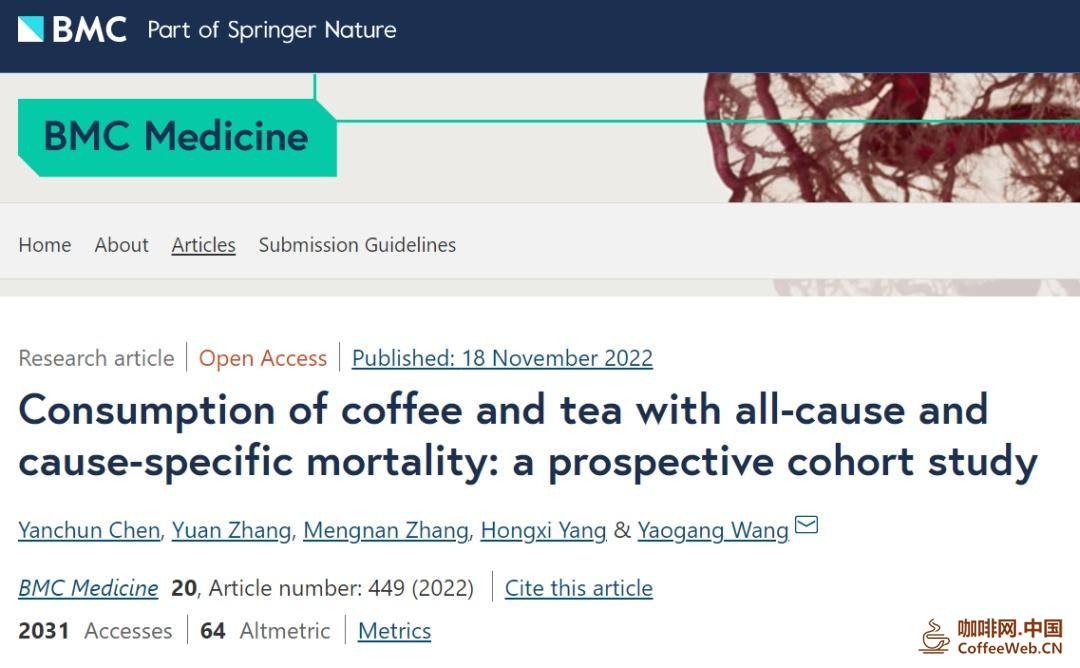
A study from Tianjin Medical University found that moderate daily consumption of coffee and tea can reduce the risk of death. Compared to people who neither drink coffee nor tea, drinking 2-4 cups of tea a day and
Compared to people who don't drink coffee and tea, drinking them every day
In addition, another large-scale follow-up survey conducted by the team found that compared to drinking only one type, drinking 2-3 cups of coffee and 2-3 cups of tea per day can reduce the risk of stroke by 32% and the risk of dementia by 28%.
Why is the combination of coffee and tea stronger? Scholars speculate that there may be some complementary effects between the antioxidant components found in coffee and tea.
For example, both coffee and tea contain polyphenolic compounds, with hydroxycinnamic acid being the main component in coffee and catechins being the main component in tea. They both have potential benefits in improving endothelial function, insulin resistance, and anti-inflammatory effects, but they have different target molecules, so they may play a combined protective role in the pathogenesis of stroke and dementia. In addition, coffee and tea may also jointly regulate the activation of certain cytokines, but further research is needed
Don't exceed this amount every day
The so-called 'too much is not enough' means that even the best things should be 'in moderation'. Therefore, when drinking tea and coffee, one should also pay attention to moderation~
Tea, no more than 12 grams per day
Tea should not be too strong. Strong tea contains a large amount of caffeine, theophylline, etc., which may stimulate the stomach and increase the risk of stomach diseases and even gastric cancer; It also contains high levels of fluoride, and drinking too much may trigger stones.
Therefore, it is appropriate for healthy adults to drink about 12 grams of tea a day, brewed 3-4 times.
Coffee, 3-5 cups per day
The "Scientific Consensus on Coffee and Health" jointly released by the Institute of Nutrition and Health of the Chinese Center for Disease Control and Prevention, the Food Hygiene Branch of the Chinese Preventive Medicine Association, and other institutions suggests that healthy adults should consume 3-5 cups of caffeine per day, which means that the daily intake should not exceed 210-400 mg of caffeine.
It is particularly important to note that some people are sensitive to caffeine and may experience increased heart rate or even palpitations after drinking tea or coffee. Therefore, it is recommended to drink less or even avoid it altogether.
Three times not suitable to drink
Caffeine takes about 8 hours to be metabolized and excreted, and drinking coffee and tea after dinner can easily affect sleep.
It is recommended to drink it after breakfast or lunch, which can promote intestinal peristalsis, help digestion, and not easily stimulate the intestines and affect sleep.
In addition, it is not recommended to stay up all night drinking coffee or tea. By stimulating the nervous system with caffeine and forcing oneself to stay awake, it actually increases the burden on the body, which can lead to health crises in the long run.
after drinking
Drinking alcohol can stimulate the nervous system, increase heart rate, dilate blood vessels, and caffeine in tea and coffee also has the effect of accelerating heart rate. Therefore, drinking tea and coffee after drinking alcohol can increase the burden on the heart and easily trigger accidents.
When taking medication
It is not recommended to drink beverages containing coffee and tea, such as cold medicine, sleeping pills, vitamins, thyroid hormone drugs, etc., because the caffeine and tannic acid components in them may interfere with drug metabolism and interact with each other, causing adverse reactions.
It's best to keep a distance from the four types of people
Children in their growth and development period. Caffeine can affect the absorption of nutrients such as calcium and iron.
Patients with severe hypertension, heart disease, and circulatory disorders. The active substances such as theophylline, caffeine, and theobromine can excite the central nervous system, causing cerebral vascular atrophy and increasing the risk of accidents.
For people with gastrointestinal diseases, including gastric ulcers, duodenal ulcers, etc., coffee and tea may affect the healing of ulcer surfaces and worsen the condition.
People who need rest after illness, hyperthyroidism, tuberculosis patients. Caffeine and theophylline make people excited, which makes it difficult for them to rest well and can cause their temper to become irritable.
Comprehensive: China Medical Forum, Science Popularization China, Health Times, Nutritionist Gu Zhongyi, People's Daily Science Popularization, Guangdong CDC, Health Henan, Metz Medical
Source: Beijing Time
 Liaoning ICP Security No. 21122402000217