
Xinhua News Agency, Hanoi, August 9 (Reporter Liu Ying) When talking about Vietnamese coffee, people will think of the drip coffee that needs to wait for 7 minutes, the egg coffee covered with egg liquid foam, the robusta coffee with strong flavor, and the slow life on the plastic stools in the street.
From the export crops introduced during the colonial period to the daily beverages found on the streets and alleys, coffee has witnessed the development of this Southeast Asian country and has become a unique window to understand local culture and life.
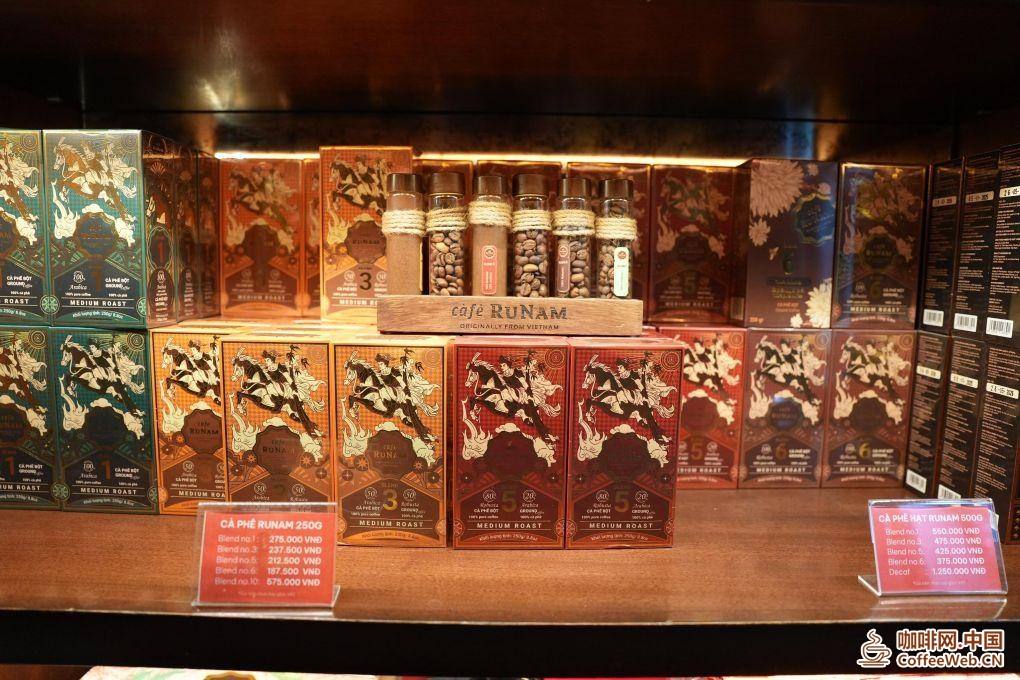
This is a coffee product taken on August 7th at a coffee shop in Hanoi, the capital of Vietnam. Photo by Xinhua News Agency reporter Liu Ying
The world's second largest exporting country
In the mid-19th century, French colonizers brought Arabica coffee to Vietnam. However, due to the hot and humid climate in most parts of Vietnam, the area of high-altitude areas above 1000 meters suitable for the growth of Arabica coffee is limited, so large-scale cultivation has not been formed. It was not until the 20th century that the larger production of Robusta coffee began to be widely promoted, and Vietnam ushered in a turning point in the coffee industry. By 2000, it had become the world's second-largest coffee exporting country, second only to Brazil in terms of export volume.
The central plateau of Vietnam has unique natural conditions, with red basalt soil suitable for growing coffee. The climate is mild throughout the year, with stable water sources and almost no typhoons. Severe droughts rarely occur, and an altitude of less than 1 kilometer is more suitable for the growth of Robusta coffee. Therefore, it has gradually become one of the world's major Robusta coffee producing areas.
Small coffee beans, one end connected to the land and coffee growers in the central highlands of Vietnam, and the other end connected to the international market and global consumers. Since the 1980s, the coffee planting area in Vietnam has continuously expanded, processing capacity has continued to improve, and the export system has gradually improved. According to data from the Vietnam Coffee and Cocoa Association, the export volume of Vietnamese coffee in 2025 will be nearly 1.6 million tons, with an export value of approximately 9 billion US dollars, sold to more than 80 countries and regions.
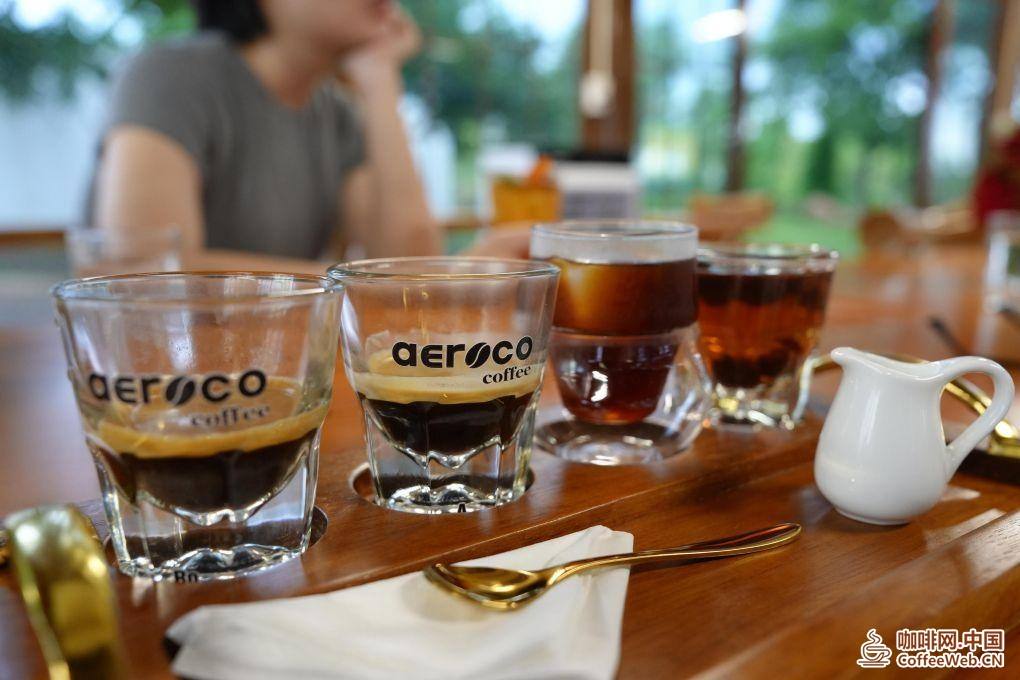
This is a coffee drink taken on July 13th at a coffee plantation in Bang Mei Shu, Dole Province, Vietnam. Photo by Xinhua News Agency reporter Liu Ying
Cultural symbols in coffee
When coffee was first introduced to Vietnam, it was an export crop in the colonial economic system. For a long time, it was transported to France and other places in the form of unpasteurized green beans, and local consumption was very limited. With the gradual rise of the local baking industry, there are more and more street cafes in Vietnam, and coffee has gradually become a daily routine for Vietnamese people, forming a unique local culture.
In Vietnam, people from the central region prefer coffee with stronger and heavier flavors, while southerners drink coffee more to cool off and quench their thirst, "said Du Guangrong, the owner of a coffee shop in the central city of Da Nang, to reporters. Ruan Yuesheng, another practitioner in Da Nang, believes that the local cuisine is already focused on taste, and the coffee flavor is also more "rich" In Ho Chi Minh City, the economic center of Vietnam, the pace of life is faster and coffee is more "open". Consumers not only accept traditional Vietnamese coffee, but also enjoy trying new coffee experiences such as hand brew, cold brew, and Italian espresso.
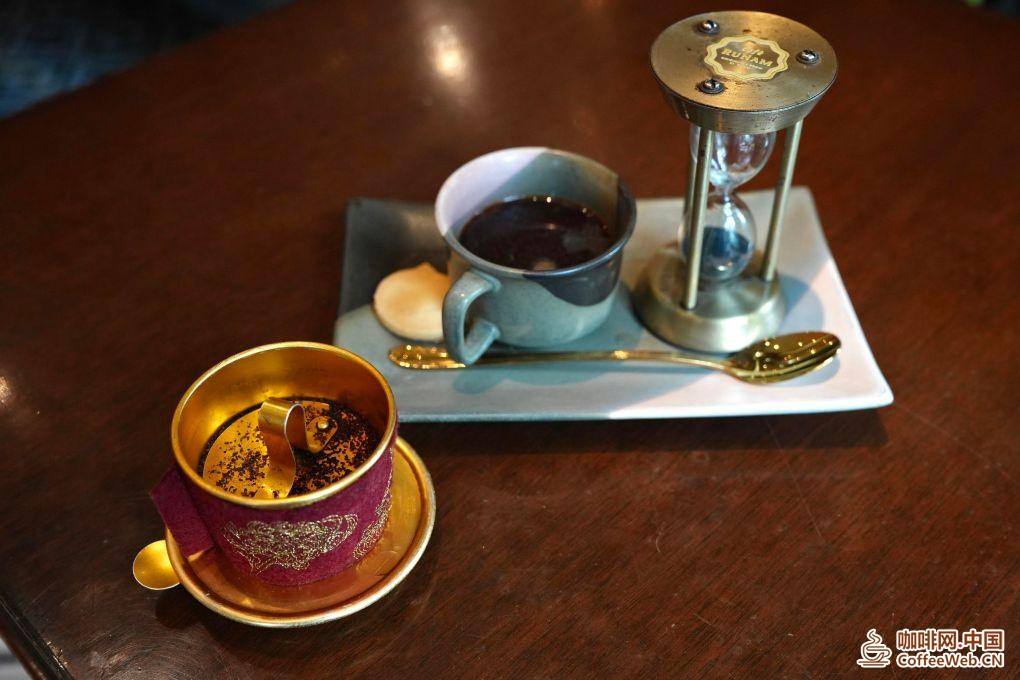
In the northern capital Hanoi, traditional drip coffee still occupies an important position, and the aroma of coffee is slowly released during drip filtration. Hot water slowly drips from the metal filter cup, while coffee concentrate drips into it, followed by condensed milk and ice cubes for enjoyment. This 7-minute drip time is a unique component of Vietnamese coffee culture.
Another specialty coffee in Vietnam, egg coffee, is more well-known. In the 1940s in Hanoi, there was a shortage of fresh milk supply, and baristas used egg yolks, sugar, condensed milk, and other ingredients to create a dense substitute similar to milk foam, which covered the coffee liquid and formed a thick and sweet taste similar to milk coffee.
Street corner coffee shops are another important symbol of Vietnamese coffee culture. On the streets and alleys, there are traditional blue and red plastic stools that serve as both tables and seats, while others have been replaced with popular camping style chairs. Various coffee shops can be seen everywhere, forming one of the most representative urban landscapes in Vietnam.
In the hot summer of Vietnam, cafes become the "third space" besides home and workplace, and even late at night, many cafes are still fully booked. A market research report shows that by 2025, the number of coffee shops in Vietnam has exceeded 500000, with an average of one coffee shop per 200 people. For Vietnamese people, "going for coffee" has become an important part of their daily social and leisure activities.
This is a Vietnamese drip coffee shot in Hanoi, the capital of Vietnam, on August 7th. Photo by Xinhua News Agency reporter Liu Ying
Seeking Development in Change
Unlike coffee exporting countries such as Brazil, coffee plantations in the central highlands of Vietnam commonly use intercropping methods. The first thing that catches the eye is often not coffee trees, but taller durian trees, pepper vines, and avocado trees, with one person tall coffee trees growing between them.
By adopting intercropping mode, farmers can harvest all year round, which not only improves land use efficiency and diversifies market risks, but also creates a more stable "microclimate" for coffee growth. However, this model also means that Vietnamese coffee is difficult to achieve large-scale mechanized harvesting like countries like Brazil. Chen Tingzhong, the general manager of Eatu Fair Agricultural Service Cooperative, said that currently it mainly relies on manual harvesting in two to three rounds, with the harvesting season lasting from November to February of the following year, resulting in higher labor costs and lower efficiency. In addition, with the rise in durian prices in recent years, some farmers are considering cutting down some coffee trees and planting durian instead.
The key to retaining a coffee tree is to create higher value for the coffee beans. Although Vietnam is the world's second largest coffee exporting country and the largest producer of Robusta coffee, it has long played a more important role as a raw material supplier. At present, about 87% of Vietnam's coffee exports are still in the form of raw coffee beans, with a small proportion of deep processed products such as instant coffee, roasted coffee, and coffee extracts.
Li Tingsi, General Manager of Aruco Coffee Company, believes that the future competitiveness of Vietnamese coffee lies in improving the quality of coffee beans. In the past, when people mentioned Vietnamese coffee, the first thing they thought of was the yield, "Li Tingsi said." But now, we hope everyone remembers the quality of Vietnamese Robusta coffee
In recent years, Vietnamese coffee industry has focused on boutique cultivation, developing boutique roasting, creating brand stories, participating in international coffee competitions, and opening coffee shops overseas, in order to enhance the international reputation of Vietnamese coffee and make consumers not only remember "coffee produced in Vietnam", but also "coffee brands from Vietnam".
From colonial era imprints to integration into the world economy, from street scenes on plastic benches to seeking industrial upgrading, understanding Vietnamese coffee culture is also about understanding Vietnam's constant search for balance between tradition and modernity, local and global.
 Liaoning ICP Security No. 21122402000217