

What do office workers do during lunchtime besides eating? Nowadays, "taking a 15 minute nap and staying alert for an afternoon" has become a favorite among many overseas people.
Compared to drinking coffee, exercising, and chatting, taking a nap seems to be a more pure and direct way of taking a nap – spending 20 minutes relaxing the body and mind, and "recharging" for afternoon work. With the increasing demand for nap time, places providing nap time services have sprung up like mushrooms after rain. However, there are also different sounds for napping.
be of great advantage
Mike Kerban, co-founder and global CEO of Vita Coco, a well-known American coconut water brand, has a habit of taking a nap every afternoon. For him, taking a nap is an essential way to improve productivity. When I feel restless, tired, or anxious, taking a nap can really cure everything
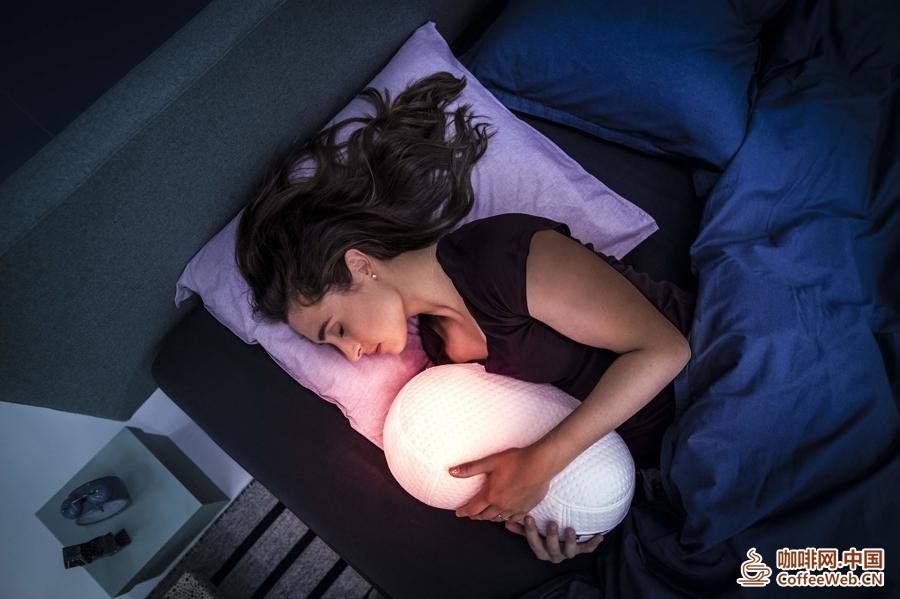
Dutch university designs nap aid pillow IC
Every weekday afternoon, Kerban would lean on the sofa, put on an eye mask, play a specific piece of music, and soon fall asleep. After taking a nap, he is full of energy and can always quickly get into work. When I woke up from my nap, I felt like I could conquer the world
Kerban encouraged colleagues to take a nap in the office and even discussed the idea of setting up nap pods with the team. I think this is very valuable. In his opinion, taking a nap is very beneficial for work, as employees who have good rest make fewer mistakes and have higher attendance rates.
In the United States, many professionals suffer from long-term sleep deprivation, and it is common for them to "prolong their lives" by consuming caffeine during work. But now, this situation is changing. More and more people are realizing the importance of adequate sleep, and taking a nap in the afternoon can also help improve work efficiency in the future.
Neuropsychologist Dr. Sanam Hafez stated that napping is not laziness, but rather the body and nervous system 'demanding' rest and recovery. This is recognized by science. Even taking a 10 to 20 minute nap can 'reset' the brain, improve decision-making ability, and restore patience.
Business is booming
Although the sofa in one's own workstation and office area is the nearest nap spot for office workers, the sound of colleagues walking and talking, as well as the occasional noise of printers, keyboards, and mobile phones, can still compromise the quality of nap time. So, commercial places that provide resting spaces for professionals emerged.
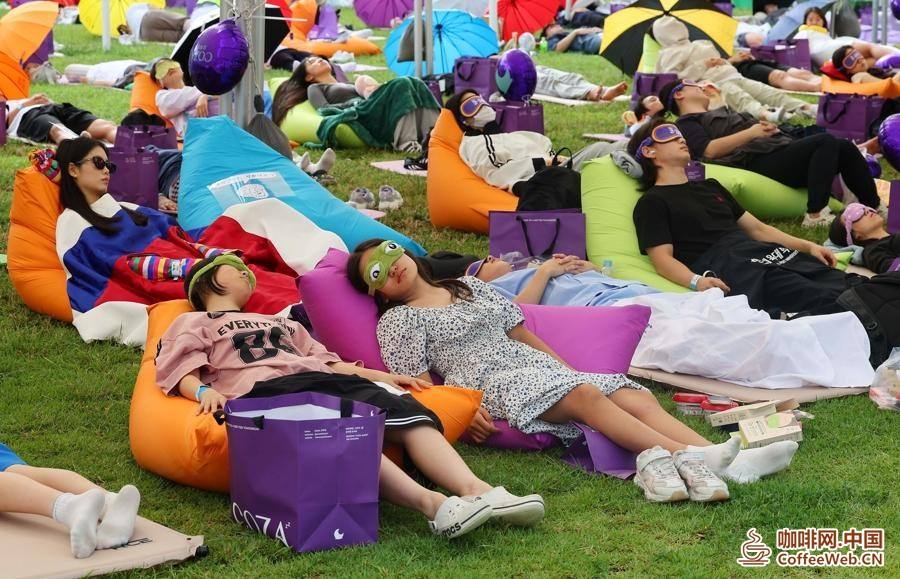
Korean professionals participate in the 'nap competition' photo IC
In South Korea, the number of rest stops such as sleep cafes continues to grow. These places usually offer massage chairs or small private rooms with beds.
Nabijam, located at Guanghua Gate, is a 24-hour self-service rest station that offers a minimum of 10 minutes of space usage. For example, customers can enjoy a 30 minute uninterrupted nap in a single space equipped with a premium lounge chair for about 10000 Korean won (approximately 47.2 yuan).
Ms. Quan, who is in her thirties, works for a global company. In recent months, after finishing lunch in the office, she has been taking a nap at "Nabijam". In her opinion, taking a nap can provide true rest, and going to specialized rest stations can achieve the necessary "physical and mental separation" from the workplace, making the nap more effective.
Pakistani workers take a break at noon in the scorching heat, IC
Analysts point out that as modern society increasingly recognizes that high-quality sleep and adequate rest are important pillars of health and success, related industries are experiencing explosive growth.
According to the Korea Sleep Industry Association, as of 2021, the size of the "sleep economics" market in South Korea has exceeded 3 trillion Korean won and continues to grow at a rate of over 10% per year.
Yueke Nap "is a chain rental capsule located in New York, USA, aimed at guests who need to take a nap, stay overnight, or stay away from the hustle and bustle of the city. Each capsule has undergone soundproofing treatment and is equipped with a mattress, lighting equipment, and fan. The hourly rate is about $27 (approximately RMB 182), and the $50 deposit is refundable. It is reported that young office workers such as Generation Z are the main customers here.
In Japan, nap related service products are becoming increasingly popular. Office workers are willing to spend money to compensate for sleep deprivation, relieve stress, and improve work efficiency.
For example, a massage parlor in Shibuya, Tokyo combines hydrotherapy with napping. Customers can enjoy a 10 minute head spa and a 20 minute nap for 1650 yen (approximately 71 yuan).
Surprisingly, the noisy singing bar has also joined this track. A karaoke restaurant in Shibuya has launched a low-cost nap service, starting at 704 yen (approximately 30 yuan) within 60 minutes, ensuring a quiet and dimly lit nap space, and providing blankets and chargers.
In addition, platforms for summarizing nap services have also emerged. A mobile application called "Nap" supports users to search, book, and use nap spaces near their current location, including massage parlors, accommodation facilities, and karaoke bars.
Last February, Japanese online market research firm GMO Research conducted a survey of 400 office workers who go to the office three times a week or more. 71.5% of the respondents stated that they would like to take a nap. Nearly half of the people agree that even if payment is required, they would prefer to sleep in a suitable place.
Both professionals and social media users generally believe that factors such as lack of sleep, high work pressure, and a greater emphasis on physical and mental health are driving more overseas professionals to fall in love with napping.
It is worth noting that a harsh reality that corresponds to the prosperity of the "nap economy" is the lack of sleep among contemporary people.
Koreans have found that their sleep time is less than ever before. According to the 2024 survey released by the South Korean Statistics Bureau last year, the average daily sleep time for Koreans aged 10 and above has dropped to 8 hours and 4 minutes. This marks the first downward trend since the government began tracking this data in 1999, and sleep time is decreasing across all age groups. In addition, the survey shows that 11.9% of Koreans are troubled by insomnia.
According to a survey of 33 member countries conducted by the OECD in 2021, Japan ranked last with 7 hours and 22 minutes of sleep time, becoming the country with the least sleep time, while South Korea ranked 32nd with 7 hours and 51 minutes.
According to a survey conducted by a Japanese government agency in 2019, approximately 40% of the total population in Japan sleep less than 6 hours per day on average. Relevant institutions have identified ensuring adequate sleep as an important task and provided guidance on how to improve the quality of sleep for children, students, adults, and the elderly, establish lifestyle habits that promote good sleep, and improve sleep environments.
For many young professionals in the workplace, taking a nap can not only help them catch up on sleep, but also relieve work pressure. In New York, Generation Z takes advantage of their lunch break to nap or relax in various places. Nap spots range from nap pods, cinemas to hotels.
TikTok user Ben Sanderson shared his story of spending $15 secretly taking a nap in a cinema on social media, which has garnered over one million views and resonated with many people. In his opinion, for office workers who commute long distances, the cinema is their "most perfect nap spot" in New York.
In the view of neuropsychologist Dr. Sanam Hafez, taking a nap to escape stress is also a form of self-care. Unlike their predecessors who practiced restraint, young people nowadays grow up in a world that places greater emphasis on mental health. They set boundaries and speak out before exhaustion, even in surprising ways.
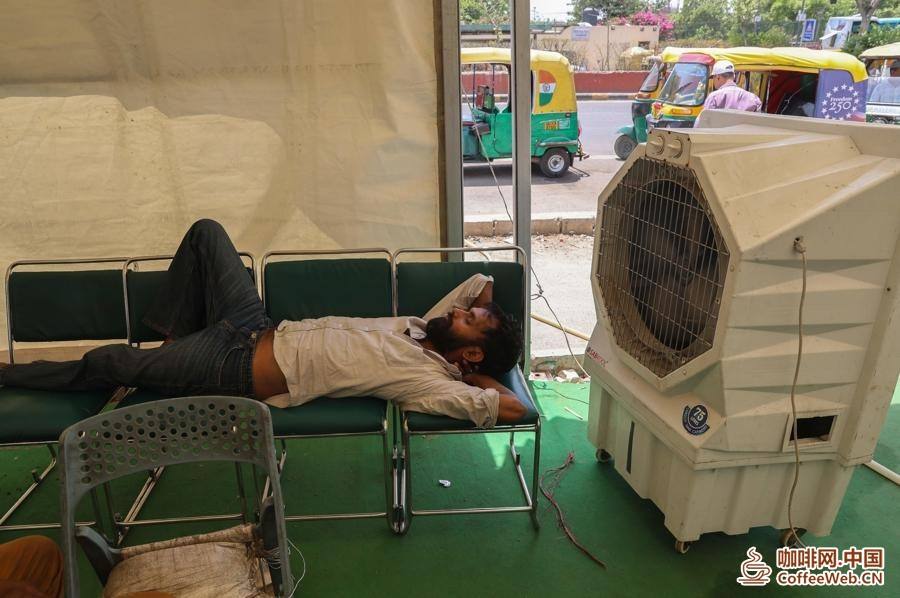
Indian man takes lunch break in government set cooling zone IC
Hafez believes that it is necessary to establish endogenous repair channels during working hours. Don't treat rest as a reward. Instead, treat it as a necessity
However, different companies have different views on napping. On social media, some netizens claimed that he was criticized for taking a nap in the office because the supervisor believed that napping affected the professionalism and image of the workplace. Another netizen said that his leader would voluntarily turn off the lights in the lounge during lunchtime because many members of the team like to nap, and colleagues feel that this is one of the most relaxing moments in their careers.
Experts point out that if one cannot find a place to take a nap, office workers should be good at taking mental breaks at appropriate times through breathing exercises, walking, and other methods to regulate their state. Rest well is also for working well.
Source: Xinmin Evening News Author: Pucheng
 Liaoning ICP Security No. 21122402000217