


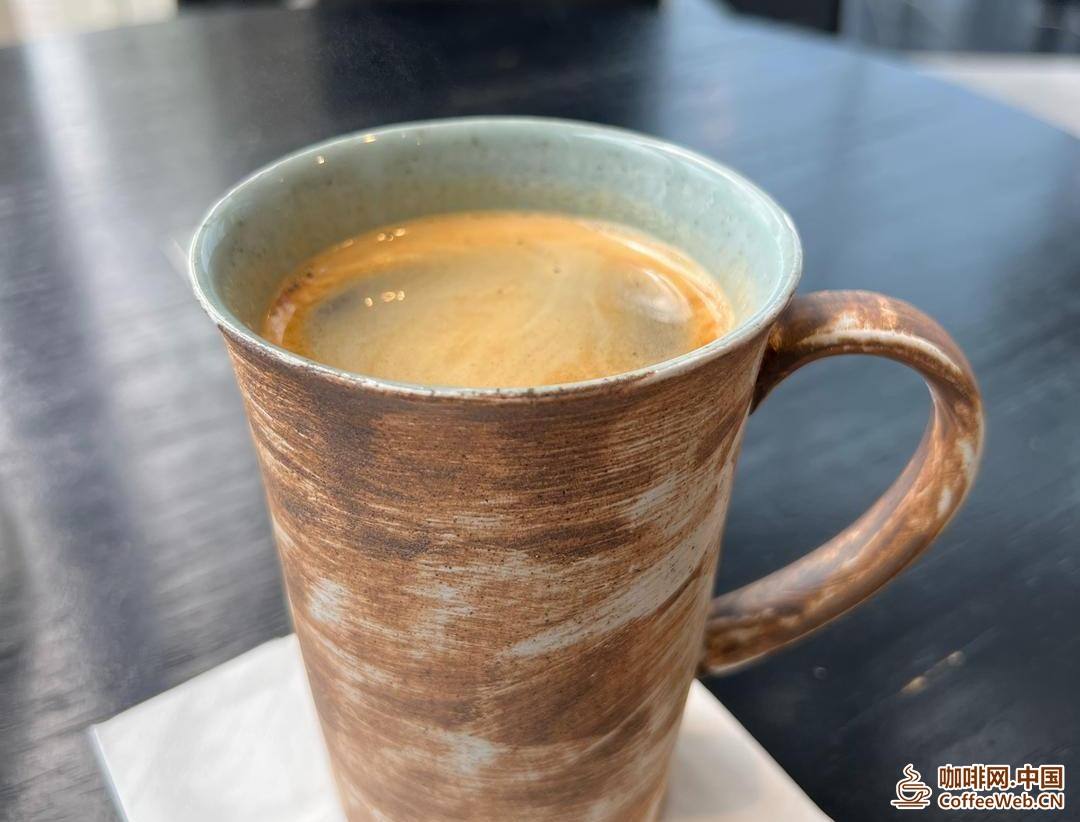
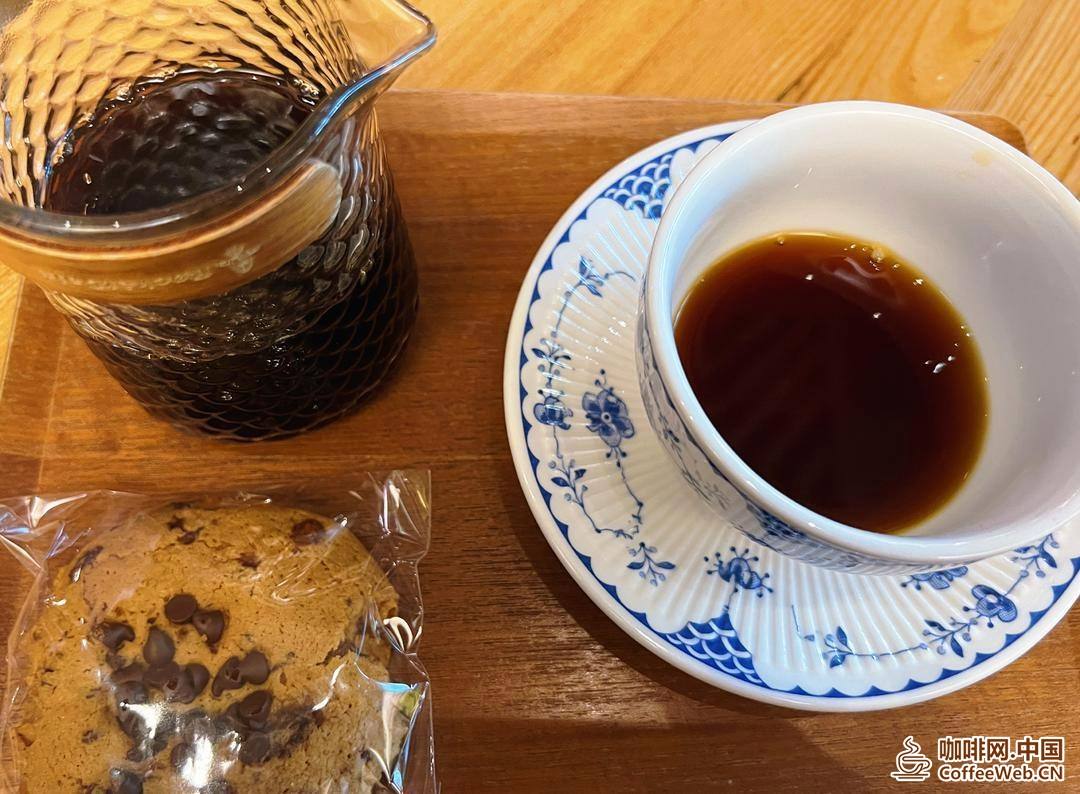
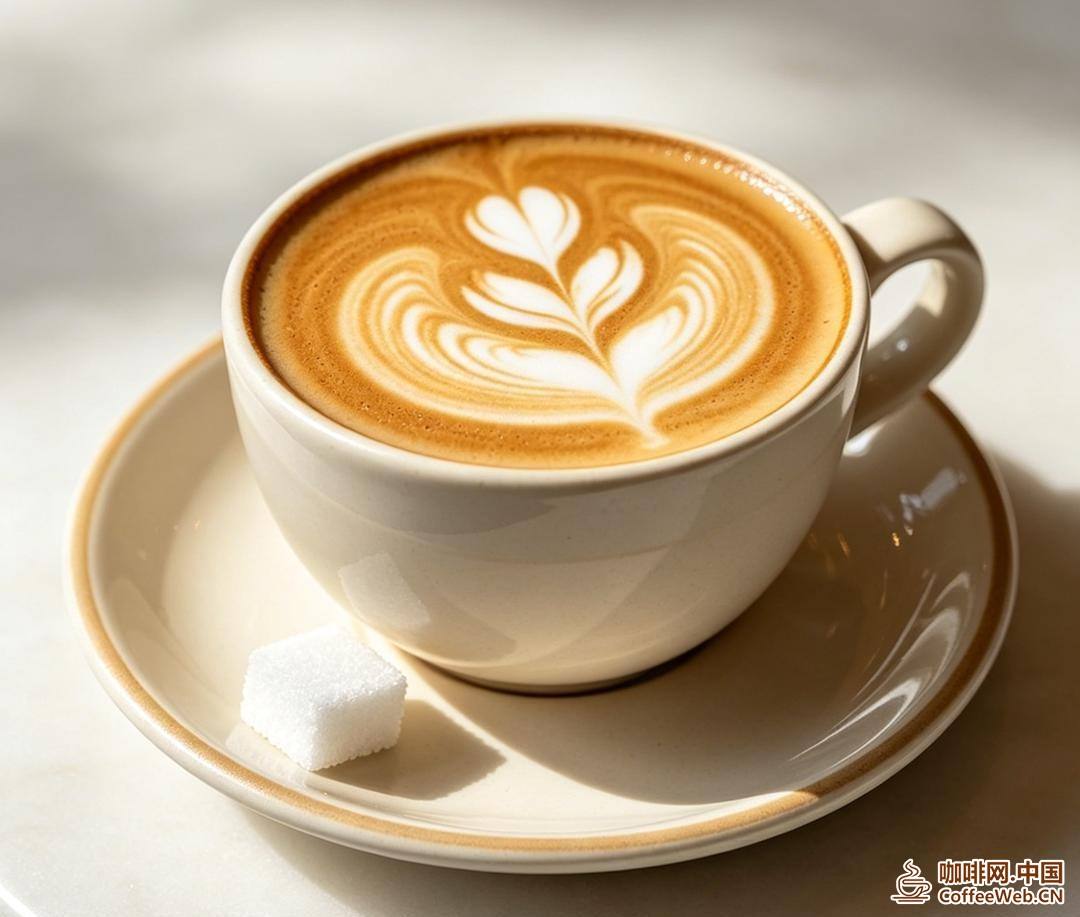

As the second largest coffee city in the north, Qingdao has over 3000 coffee shops. From chain brands to boutique shops; From a refreshing American style cup on the street in the morning to a handmade cup by the seaside in an old western-style house in the afternoon, more and more people of different ages have fallen in love with drinking coffee.
But! I believe many novice coffee drinkers have had this experience: standing in front of a bar, looking at a long list of names on the menu, their minds instantly blank, and they can only awkwardly say, 'Have a latte.'.
Yejia Xuefei and Colombia
What's different about drinking it?
Latte, cappuccino, Australian white,
Isn't it all milk and coffee?
Today, the editor will help you understand it all at once
Coffee bean varieties and coffee categories,
Make you go from a coffee novice to a knowledgeable expert in seconds!
The two major families of coffee beans
99% of coffee comes from them. There are hundreds of coffee trees in the world, but only two are actually used for commercial cultivation – Arabica and Robusta. They are like the two giants in the coffee industry, accounting for 99% of global coffee production.
Arabica: the aristocrat of the coffee industry
Production proportion: about 70%
Flavor characteristics: Rich and complex aroma, bright acidity, smooth taste, with various flavors such as floral, fruity, nutty, etc
Caffeine content: relatively low, about 1.2% -1.5%
Price: relatively high
In summary, almost 100% of the premium coffee we usually drink is Arabica beans.
Robusta: The tough guy in the coffee industry
Production proportion: about 30%
Flavor characteristics: Strong bitterness, single aroma, with a burnt bitterness and rubber flavor, and a mellow taste
Caffeine content: relatively high, about 2.7% -4.0%
Price: relatively low
In summary, it is mainly used in instant coffee, canned coffee, and Italian blended beans to increase the richness and oil content of coffee.
10 classic Arabica varieties
The Arabica family is further divided into many varieties, each with significant differences in flavor.
Origin: Ethiopia
Flavor characteristics: jasmine fragrance+citrus acidity+tea sense, known as the perfume of coffee industry
Recommended drinking method: Hand wash, cold extract, can maximize its floral and fruity aroma
Origin: Colombia
Flavor characteristics: Excellent balance, with nutty, caramel, and mild fruit flavors
Recommended drinking methods: Hand brewed, American style, latte, are one of the most suitable coffee varieties for beginners
Origin: Brazil (the world's largest coffee producing country)
Flavor characteristics: rich nutty aroma+chocolate flavor+low acidity, mellow taste
Recommended drinking methods: Italian espresso, latte, cappuccino, which are the basis of Italian blended beans
Origin: Sumatra, Indonesia
Flavor characteristics: herbal aroma+earthy flavor+chocolate flavor, extremely low acidity, obvious bitterness
Recommended drinking methods: Hand brewed, American style, suitable for people who like strong flavored coffee
Flavor characteristics: strong blackcurrant acidity+berry flavor+caramel sweetness, distinctive personality
Recommended drinking method: Hand rinse, can fully experience its bright acidity
Origin: Guatemala
Flavor characteristics: smoky flavor+chocolate flavor+citrus acidity, rich layers
Recommended drinking methods: Hand wash, American style
7. Ethiopian Guixia
Origin: Ethiopia (later transplanted to Panama and other places)
Flavor characteristics: Ultimate floral aroma+tropical fruit flavor+tea sensation, making it one of the most expensive coffee varieties currently available
Recommended drinking method: Hand rinse, savor its complex aroma carefully
Origin: Costa Rica
Flavor characteristics: honey sweetness+citrus flavor+clean taste
Recommended drinking methods: hand rinse, cold brew
Origin: Tanzania
Flavor characteristics: Berry flavor+Wine acidity+Chocolate aftertaste
Recommended drinking method: Hand rinse
Origin: Yunnan, China
Flavor characteristics: nutty aroma+chocolate flavor+mild acidity, balanced taste
Recommended drinking methods: Hand washed, American style, latte, a good choice that supports domestic products
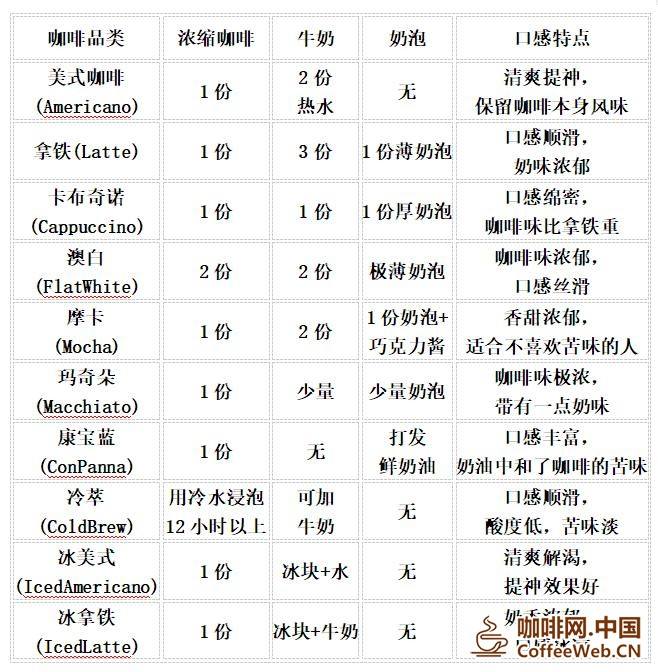
Many people cannot distinguish between latte, cappuccino, and Australian white, but their core difference lies in the ratio of espresso, milk, and froth.
The editor has compiled a table to quickly understand their differences.
3 Practical Ordering Techniques
Choose according to taste preferences
I like refreshing taste: American style, cold brew, hand wash
I like milk aroma: latte, Australian white, cappuccino
I like sweet flavors: mocha, caramel macchiato
Likes heavy flavors: concentrated, macchiato, mantnin hand wash
Choose based on time
Morning: American style, cold extract (with good refreshing effect)
Afternoon: Latte, cappuccino (not too stimulating)
Evening: Try to choose low caffeine coffee or drinks that do not contain caffeine
Advanced gameplay
Try single coffee from different origins and experience the flavor differences
Adjust the ratio of milk to sugar, or add butter, salty cheese, etc. to find the most suitable taste for yourself
Occasionally try making coffee by hand and experience the joy of slow living
Do you like coffee the most? Do you prefer black coffee or milk coffee? Share your life's coffee in the comment section!
(Some images are generated by AI)
Coffee Network China
Copyright © 2026 Coffee Network China. All rights reserved.
 Liaoning ICP Security No. 21122402000217
 Tel:400-0000-641 (+86-18941000313)
Email:405854472@qq.com
Address:Office 1: Jinghong City, Xishuangbanna, Yunnan Province, China / Office 2: Tieling City, Liaoning Province, China