


Introduction (Coffee Network coffeeyo.com):Source: Yunnan Daily – Cloud News "The core function of germplasm resource conservation is to preserve diversity." Ma Guanrun, director of the Coffee Center at the Dehong Tropical Agriculture Research Institute of Yunnan Province (hereinafter referred to as "the Dehong Institute"), ran his fingertips over glossy leaves. On the branches beside him, green berries, turning berries and ochre-red ripe cherries hung at different stages on the same tree. "The same coffee variety, grown in different climatic environments, will produce differences in flavor. The mission of scientific research is to decipher the codes hidden in the genes one by one." Coffee cherries ripening.
Source: Yunnan Daily – Cloud News "The core function of germplasm resource conservation is to preserve diversity." Ma Guanrun, director of the Coffee Center at the Dehong Tropical Agriculture Research Institute of Yunnan Province (hereinafter referred to as "the Dehong Institute"), ran his fingertips over glossy leaves. On the branches beside him, green berries, turning berries and ochre-red ripe cherries hung at different stages on the same tree. He said: "The same coffee variety, grown in different climatic environments, will produce differences in flavor. The mission of scientific research is to decipher the codes hidden in the genes one by one.
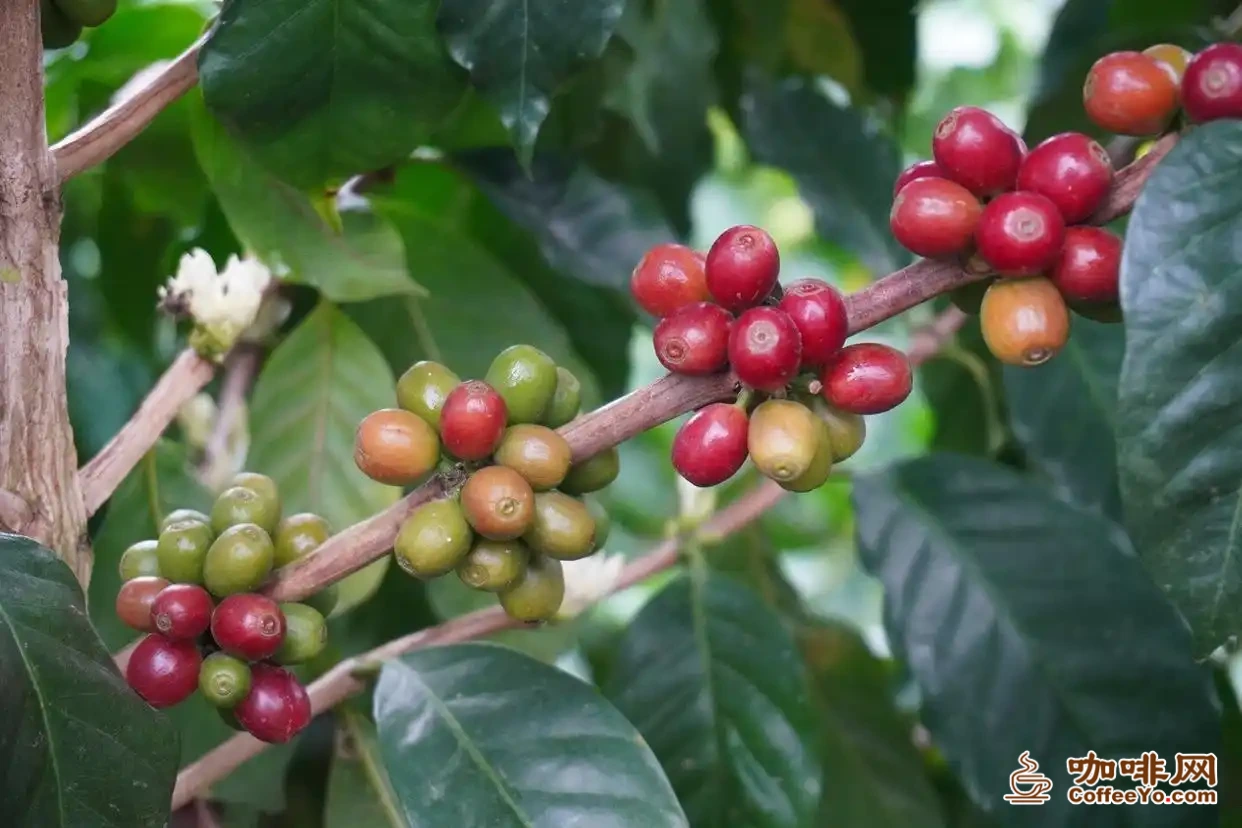
Coffee cherries ripening. Photo by Yin Jie
In the resource nursery of the Dehong Institute, a bluestone slab stands quietly, its inscription clearly visible: "Coffee Germplasm Resource Sub-bank of the National Tropical Plant Germplasm Resource Bank." Since 1967, the Dehong Institute has carried out the collection of coffee germplasm resources. Generation after generation of researchers have introduced varieties from Kenya, Colombia, Portugal and other countries and regions, while also collecting local germplasm in Yunnan. Through decades of sustained, unremitting effort, the institute now conserves 1,130 coffee germplasm accessions, making it the coffee germplasm nursery with the richest variety and the largest number of accessions in China.
Once merely a static "storage vault" for germplasm resources, the site is now transforming into an experimental field for independently bred seedlings.
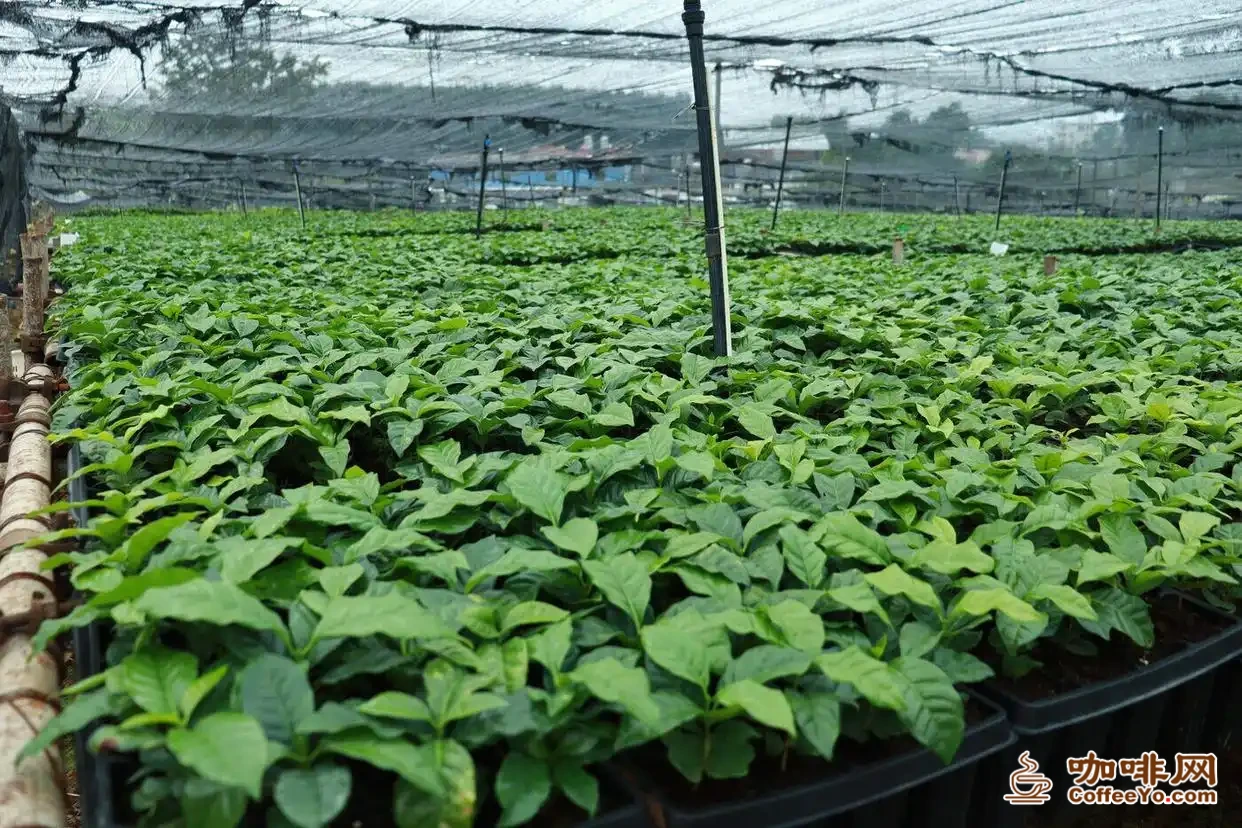
Coffee seedlings cultivated by the Dehong Institute. Photo by Ma Yuyan
In the early years, the primary breeding goal was to overcome coffee leaf rust and increase yields, so as to stabilize the foundation of the industry," Ma Guanrun said. Relying on germplasm resources, the Dehong Institute has bred 10 coffee varieties in the "Dere" series that have passed national certification. These improved varieties have been promoted over a cumulative area of 1 million mu, accounting for 80 percent of the province's coffee planting area, effectively supporting the stable development of Yunnan's coffee industry.
With traditional breeding methods, neither the industry nor consumers can afford to wait," Ma Guanrun said. Traditional breeding takes 25 to 30 years to develop a stable variety, and this long cycle has long constrained variety renewal. Using tissue culture and cutting techniques, the research team has shortened the breeding cycle to 10 years, and the resulting clonal varieties have more stable traits. This race against time aligns precisely with the trend toward premium coffee development. The accelerated breeding platform can respond quickly to the market, match enterprises' differentiated development needs, and continuously enrich the supply of domestic specialty coffee varieties.
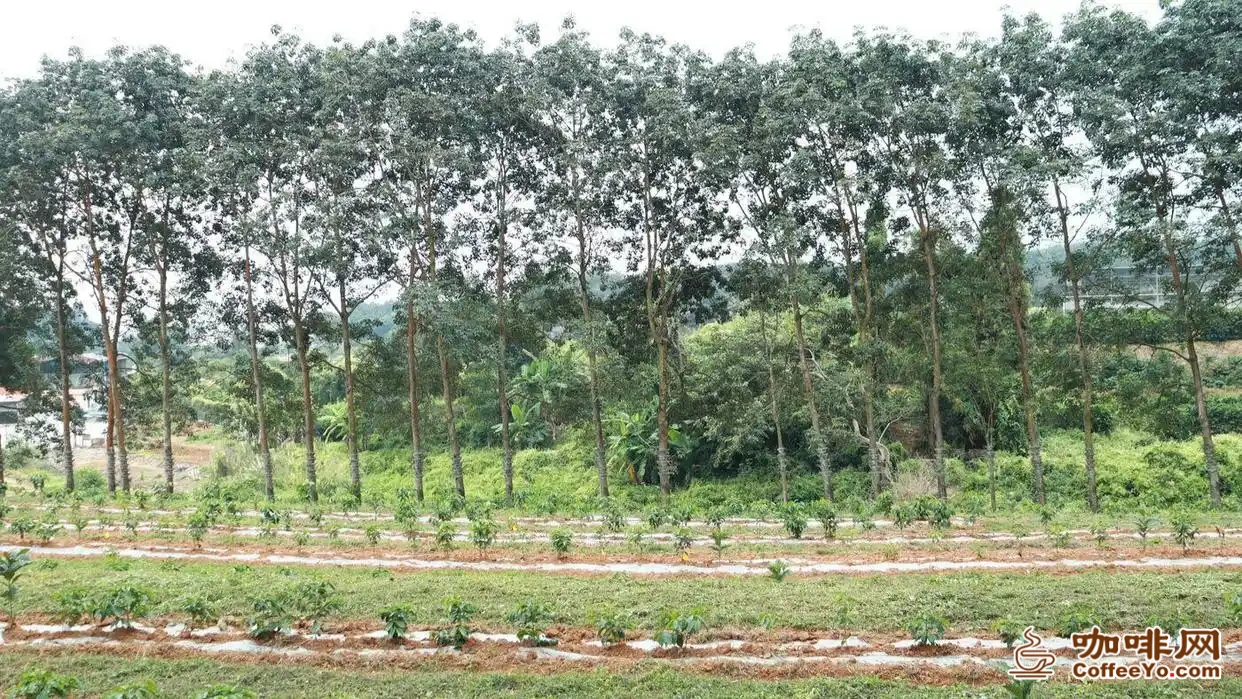
The "rubber + dendrobium + coffee" three-dimensional intercropping model. Photo by Ma Yuyan
In another experimental plot among the trees, rubber trees form a sparse canopy, dendrobium grows attached to the trunks, and young coffee plants spread their branches and leaves in the soft light. "We have been exploring whether we can open up more paths for coffee cultivation and add another source of income for farmers," Ma Guanrun said. Three-dimensional intercropping models such as "longan + dendrobium + coffee" and "rubber + dendrobium + coffee" are undergoing continuous observation and testing, in an effort to explore a new path of ecological prosperity for farmers in the border region's tropical agriculture sector.
Not far away, Yan Bin, a young associate researcher at the Institute of Agricultural Machinery under the Chinese Academy of Tropical Agricultural Sciences, was crouching beside coffee trees with colleagues, using vernier calipers and a force gauge to measure parameters such as the detachment force between fresh coffee cherries and their stems, three-dimensional dimensions and weight, plant by plant. "Mechanized coffee harvesting must not blindly pursue harvesting efficiency; it must also control the stem damage rate and reduce damage to fruiting sites and branches." The rich and diverse germplasm resources in the nursery provide unique samples for comparing the detachment characteristics of different varieties, laying a solid experimental foundation for the development of domestically produced coffee harvesting equipment.
Seeds lose their meaning once they leave the land. Our job is to return seeds to the earth in a better way." At the Dehong Institute, generation after generation of researchers have pressed forward to let coffee seeds take root in the hot soil of Yunnan, brewing rich aromas and nurturing bountiful harvests, writing the answer to the industry's long-term development deep into the genes of the seeds. (Reporters Yin Jie and Ma Yuyan)
Reprint Notice and Disclaimer
- This article was edited and compiled byCoffee Network coffeeyo.com. The information and images in this article come from public sources, and the copyright belongs to the original authors. This reprint is solely for sharing information about the coffee industry and does not represent the position of this website. All data and views in the article are subject to the original text. We hereby thank the original authors for their creation and sharing.
- If there are any matters concerning content authorization, attribution, copyright or otherwise, please contact this website promptly, and we will verify and cooperate in handling them as soon as possible. We also welcome coffee-producing regions, brands and industry media to exchange and contribute content with us.
- Coffee Network contact information: Tel 400-0000-641 (+86-18288016826) Email 478203668@qq.com
Related Reading
 Lincang Advances Coffee Industry with Premium Development Strategy: Aroma of Coffee Fills the Path to Revitalization
- Lincang advances coffee industry with premium development approach: aroma of coffee fills the path to revitalization
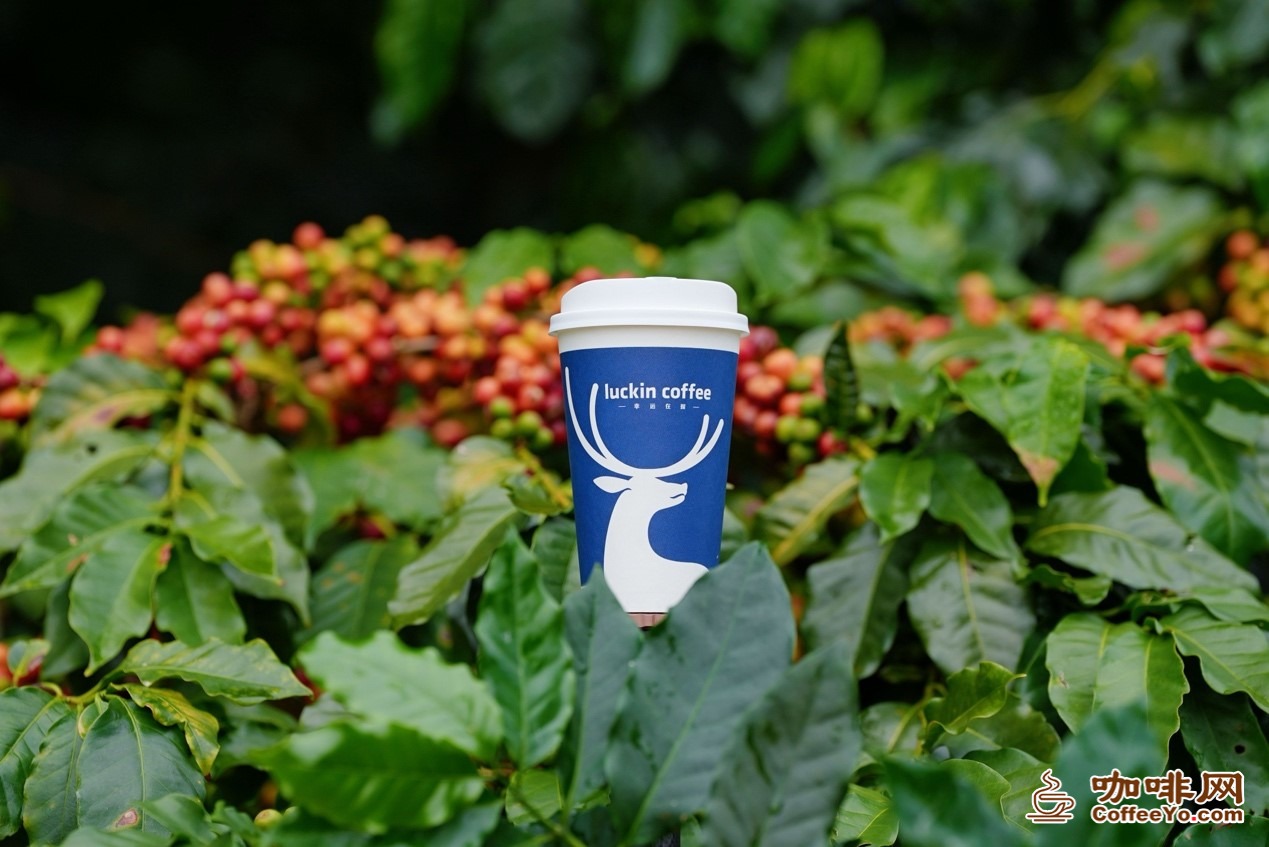 Tracing Baoshan's 72-Hour Journey: Following Luckin to Discover the Origins of Good Chinese Coffee
 Yunnan Ruili: Technology boosts coffee industry quality and efficiency
 Coffee experts from multiple countries praise Yunnan Dehong: The coffee industry has enormous potential for development
 Red fruits adorned with green mountains, fragrant and ready to be baked! Yongde Coffee enters the concentrated harvesting season


 Liaoning ICP Security No. 21122402000217