


Introduction(Coffeeyo.com, a coffee website):The "Breathe Well" Infant and Child Respiratory Health Science Popularization Project Shanghai Special Session, initiated by the China Population Welfare Foundation, supported by Sanofi Public Welfare, and participated in the Beiqin "Bottle Coffee" project, warmly kicked off at Hey Barista Space in Hengfu Scenic Area. The activity is themed "Dual Guardian Cultivation Plan", where novice and prospective parents start with a cup of coffee and transform their knowledge of respiratory disease prevention in autumn and winter into daily habits that they can truly take home through games, interactions, and expert face-to-face Q&A. The Shanghai special session of the "Breathe Well" infant respiratory health science popularization project, which involves cross-border participation in the "Baby Bottle Coffee" project, warmly kicked off at Hey Barista Space in Hengfu Scenic Area.
When the hard core of infant medical science popularization meets the mellow coffee in wutong District, what sparks will come out? On November 21st, the "Breathe Well" Infant and Child Respiratory Health Science Popularization Project Shanghai Special Session, initiated by the China Population Welfare Foundation, supported by Sanofi Public Welfare, and participated by the Beiqin "Bottle Coffee" project, warmly kicked off at Hey Barista Space in Hengfu Scenic Area. The activity is themed "Dual Guardian Cultivation Plan", where novice and prospective parents start with a cup of coffee and transform their knowledge of respiratory disease prevention in autumn and winter into daily habits that they can truly take home through games, interactions, and expert face-to-face Q&A.
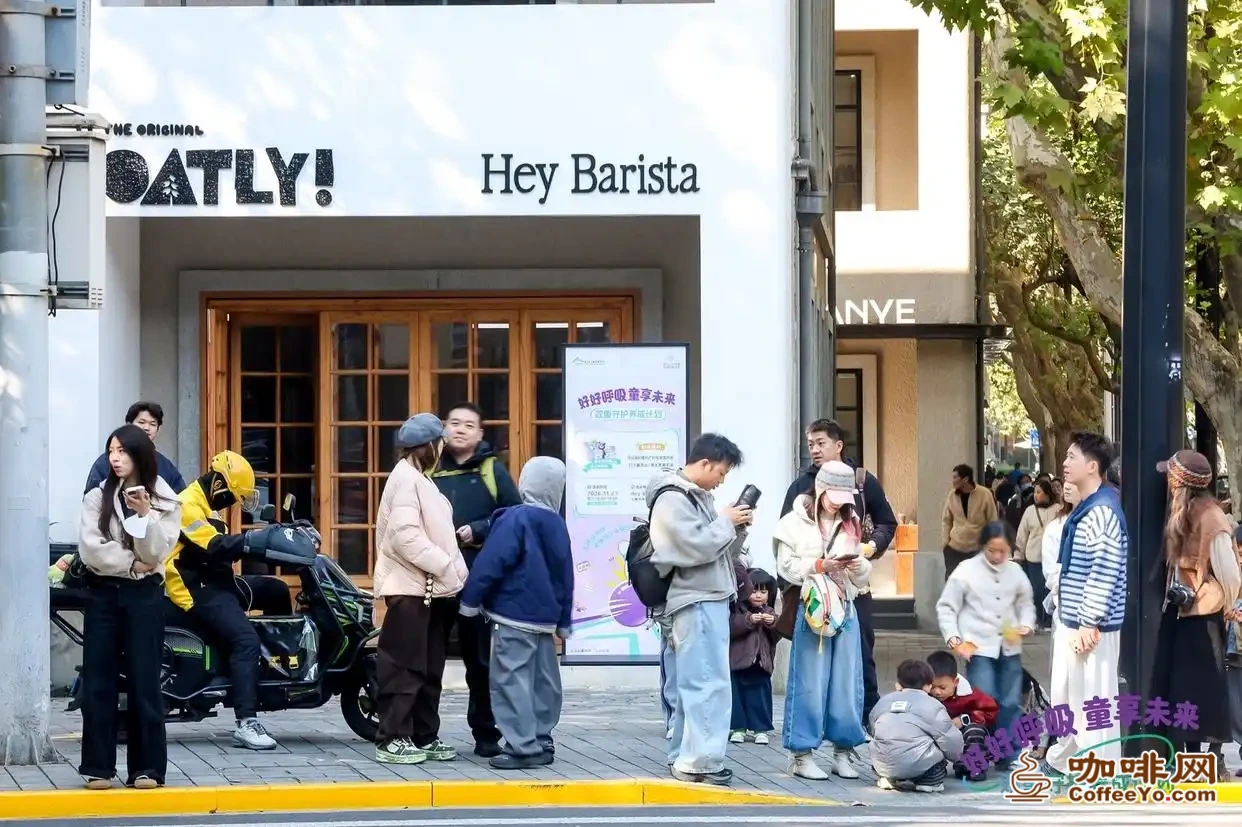 The "Breathe Well" Infant Respiratory Health Science Popularization Project Shanghai Special Session landed at Hey Barista Space in Hengfu Scenic Area
Since its launch in 2025, the "Breathe Well" project has been committed to using various forms of science popularization to let more people know how to protect the respiratory health of infants and young children, and most importantly, how to prevent risks before they occur. Focusing on the critical window of 1000 days in early life, the project continues to take the path of "prevention first, advancing the checkpoint, and promoting medical prevention collaboration" to further promote home protection towards "knowing what to prevent, when to prevent, and how to prevent specifically".
Starting from a cup of specially brewed coffee, turn "difficult knowledge" into parenting actions
How to make popular science truly heard and recorded when facing young parents who are already in a state of "parenting information overload"? The answer given by the Shanghai session is: to let medical knowledge leave traditional classrooms and enter the scene where parents are already living. The event bid farewell to the one-way mode of "exhibition board+lecture" and designed a gradual experiential flow in the caf é: the first floor easily broke the ice from coffee ordering, the second floor understood disease prevention through interactive challenges, and the third floor further connected authoritative knowledge and experts.
At the first floor bar counter, parents can use the exclusive "breathe well" gesture to order a customized special drink made by a silent barista. The interactive levels on the second floor transform the most confusing time windows for parents, such as disease identification, precise medication administration, and immunization prevention, into hands-on experiences. On the third floor, an interactive screen further extends the offline experience to a broader knowledge space. The screen is connected to the online exhibition hall of the Greater Bay Area International Vaccine Innovation Center. Parents can easily tap the screen to learn about the development history of vaccines and related disease prevention knowledge.
From a cup of coffee, to an interactive challenge, to an online vaccine science exhibition hall, the "prevention first" health education scene is extending from hospitals and classrooms to more daily living spaces.
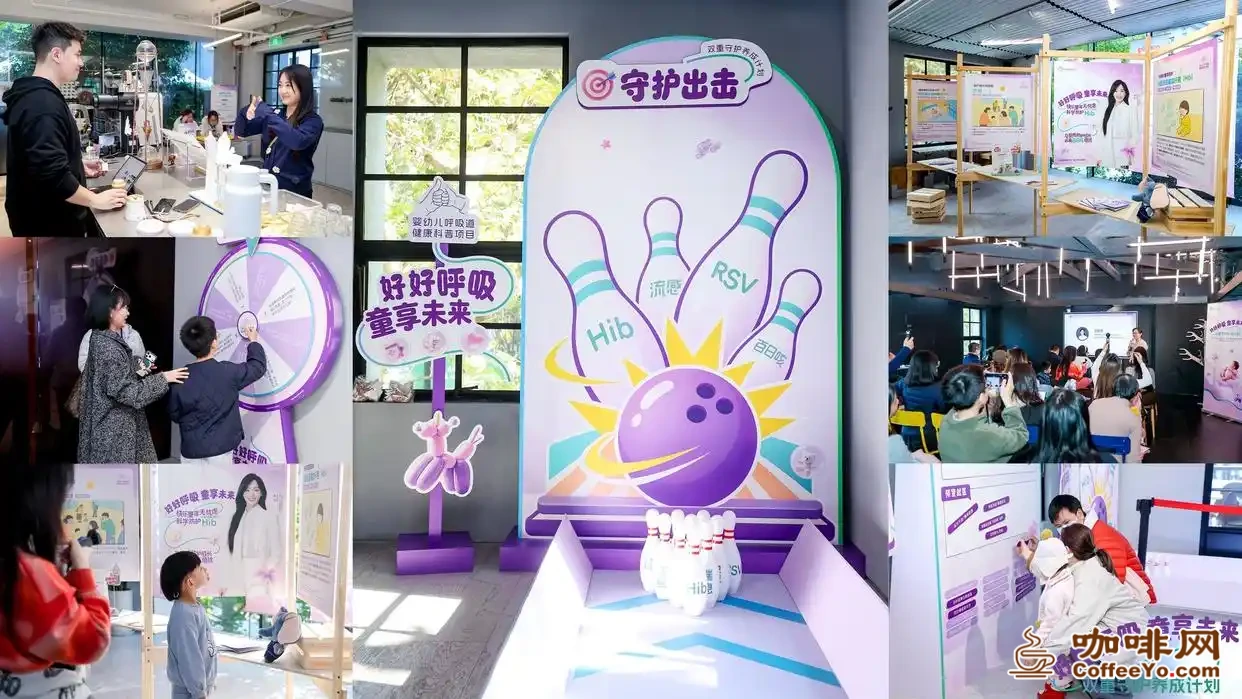 Activity Scene Photos
Key points: Respiratory protection for infants and young children, parents should remember these things first
Wang Liping, Director of the Health Education Department and Deputy Chief Physician of Obstetrics and Gynecology at the International Peace Maternity and Child Health Hospital of the China Welfare Association, communicated with parents on site about the identification of common respiratory diseases and preventive measures that can be implemented by families from two dimensions: maternal and child health care and daily care. Many parents are not indifferent, but do not know where to start in the face of massive information, "Wang Liping said at the scene.
The manifestations of different respiratory diseases are not the same. Influenza often has a sudden onset, with symptoms such as high fever and body aches. The risk of severe illness in children needs to be taken seriously; Early symptoms of respiratory syncytial virus (RSV) infection may be similar to those of the common cold, but for young infants, symptoms such as wheezing, shortness of breath, and reduced breastfeeding may occur more quickly. Therefore, do not simply treat all "coughing and runny nose" as a common cold. After recognizing the disease, it is even more crucial to prioritize prevention before infection. Vaccination is the most economical and effective means of preventing and controlling infectious diseases, and should be administered in a timely manner according to the requirements of the national immunization plan; Special attention should also be paid to common respiratory infectious diseases such as influenza and RSV: Children over 6 months old are usually recommended to receive the influenza vaccine every year. Infants under 6 months old who cannot receive the influenza vaccine can establish an "indirect protection network" for their babies through cohabiting family members and primary caregivers. Pregnant women can receive influenza vaccines that are not listed as contraindications for pregnant women. The situation of RSV is even more special – many parents are not familiar with it, but the harm is not small: infants under 1 year old have immature lungs, and the risk of developing serious diseases after infection is higher. They are more prone to hypoxia, wheezing, and in severe cases, breathing difficulties; Some infants may experience recurrent wheezing or asthma after infection, which is a manifestation of impaired lung function and can have lasting effects for several years. The epidemic season of RSV is relatively long, usually from October to April of the following year. Currently, there is no vaccine to prevent it, but monoclonal antibodies can be injected for prevention. It is recommended that babies born outside the epidemic season be injected before the epidemic season, and babies born within the epidemic season can be injected for prevention. In addition, truly effective prevention often lies in the most common details of daily life: washing hands frequently and ventilating regularly; Reduce taking infants and young children to crowded and poorly ventilated places during the epidemic season of respiratory diseases; When family members experience cold symptoms, wear masks and try to avoid kissing the baby's mouth, nose, and hands as much as possible.
At the same time, parents especially need to learn to recognize danger signals: if the baby experiences symptoms such as significantly faster or more strenuous breathing, chest depression, persistent wheezing, obvious refusal to breastfeed or reduced eating, deteriorating mental state, and blue lips, they should seek medical attention as soon as possible.
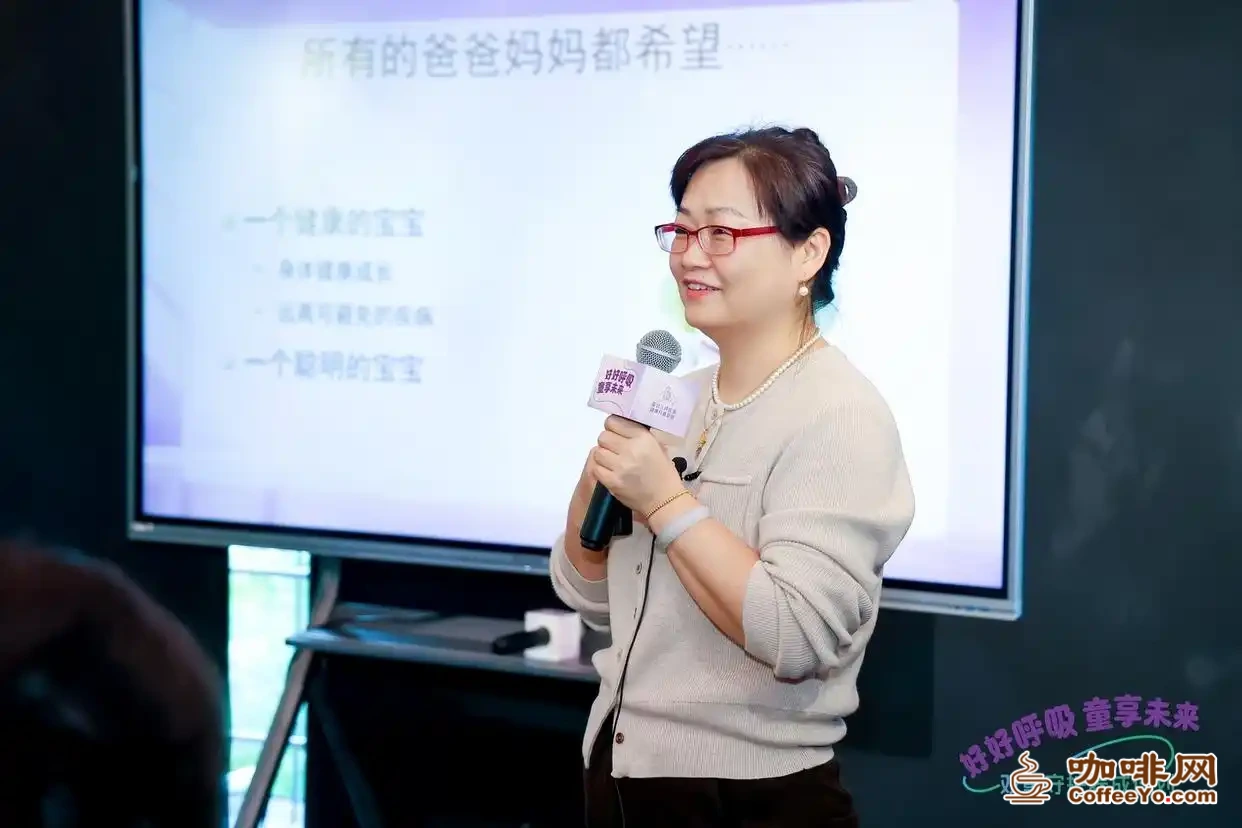 Wang Liping, Director of Health Education Department and Deputy Chief Physician of Obstetrics and Gynecology at International Peace Maternity and Child Health Hospital of China Welfare Association
Make science popularization "lighter and more interesting", allowing families to truly bring knowledge home
The more specialized medical knowledge is, the more it needs to be accurately 'translated'. As an offline innovation sample of the "Breathe Well" project, the Shanghai session has changed the way knowledge reaches the public: using coffee shop life scenes to lower the participation threshold, using interactive experiences to help families understand abstract medical concepts, and then completing key knowledge calibration through authoritative experts.
From Beijing, Yinchuan, Langfang, Changsha, to this Shanghai session, the "Breathe Well" project is gradually weaving a collaborative "hospital family society" respiratory health popularization network for infants and young children through different cities and living scenarios. What we hope to do is not just a lively weekend flash mob, but also a set of science popularization methods that can be replicated and truly brought home by families. "The person in charge of the" Breathe Well "project of the China Population Welfare Foundation said that in the future, the project will continue to connect medical institutions, public welfare organizations, and caring enterprises, allowing professional, reliable, and easy to understand knowledge of infant and toddler respiratory health to enter more cities and parenting scenarios.
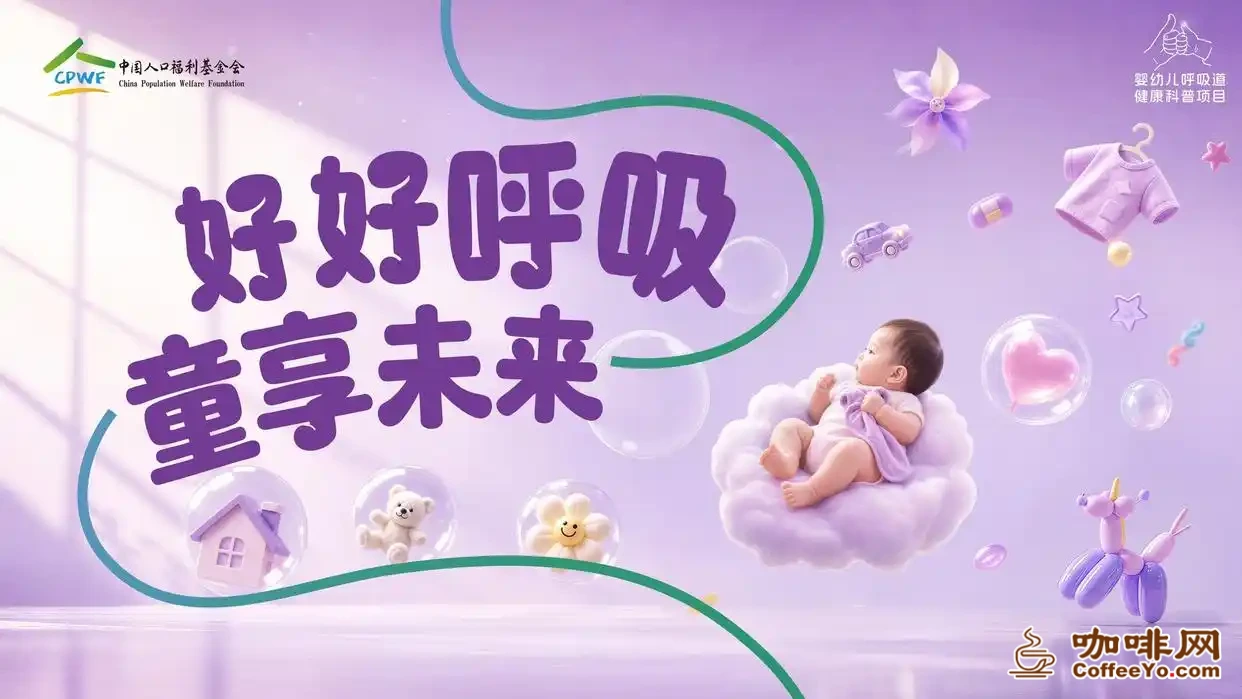 The "Breathe Well" Infant Respiratory Health Science Popularization Project
About the "Breathe Well" Infant Respiratory Health Science Popularization Project
The "Breathe Well" Infant and Child Respiratory Health Science Popularization Project is initiated by the China Population Welfare Foundation and supported by Sanofi Public Welfare. It focuses on common respiratory diseases such as respiratory syncytial virus (RSV), influenza, and pertussis, and is committed to enhancing parents' awareness of disease risks, immune prevention, and early symptom recognition. The project was launched in 2025 and received support from over a hundred medical experts and opinion leaders in its first year, with a total online exposure of over 180 million. In 2026, the project will continue to innovate around "medical prevention collaboration, science popularization transformation, and family practice". Through linkage with disease control, clinical and public welfare partners, it will simultaneously promote grassroots professional empowerment and multi scenario public science popularization, promote the prevention and control of respiratory diseases in infants and young children from "anxiety response" to "active prevention", and transform scientific knowledge into daily family protective actions.
(Note: This article belongs to commercial information published on China National Radio and Television Network. The content of the article does not represent the views of this website and is for reference only.)
Reproduction instructions and disclaimer
- This article is written byCoffeeyo.com, a coffee websiteEdited and organized, the materials and images in the article are sourced from public channels, and the copyright belongs to the original author. The reposting on this website is only for information sharing in the coffee industry and does not represent the position of this website. The data and opinions in the article are subject to the original text. Thank you to the original author for their creation and sharing.
- If there are any issues related to content authorization, attribution, copyright, or other matters, please contact our website in a timely manner. We will verify and cooperate in handling them as soon as possible; We also welcome coffee producing regions, brands, and industry media to communicate and contribute to us.
- Coffee Network Contact Information: Phone 400-0000-641 (+86-18288016826) Email 478203668@qq.com



 Liaoning ICP Security No. 21122402000217