
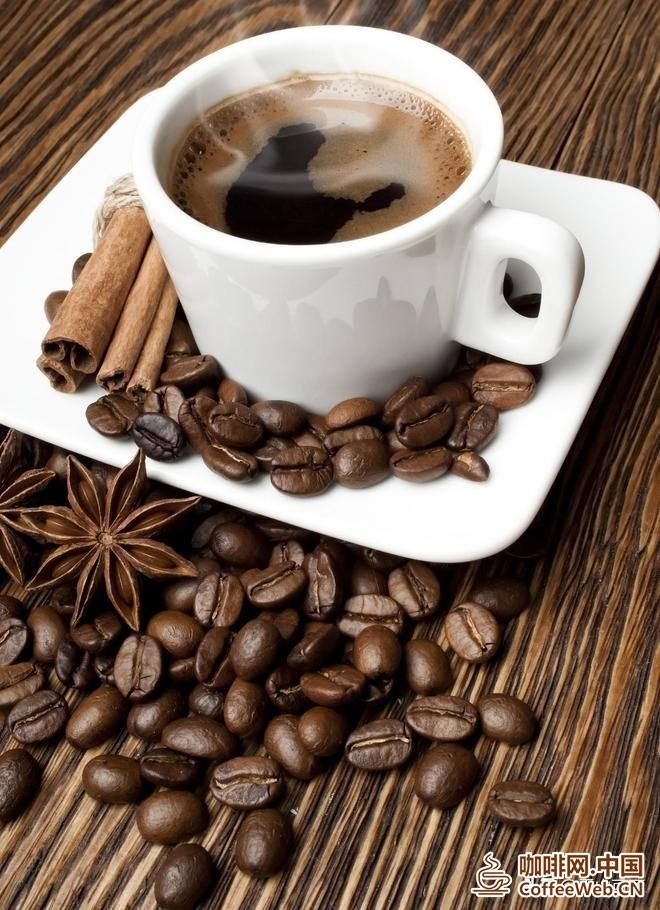
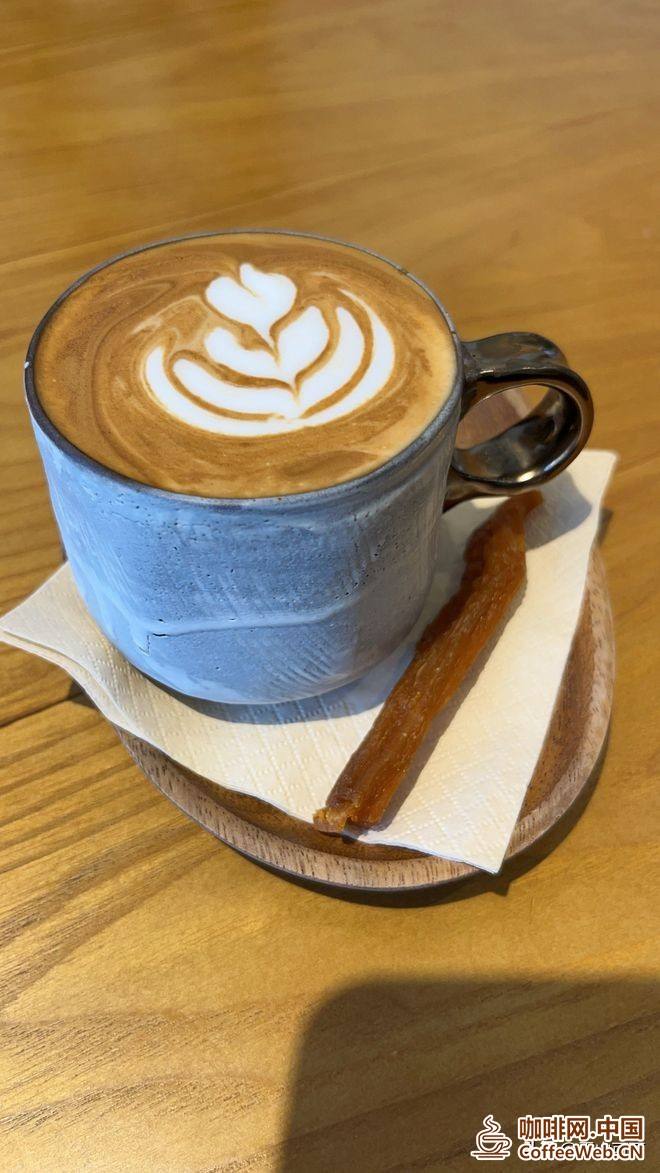


The differences between premium coffee and regular coffee are reflected in various aspects such as planting environment, processing technology, flavor characteristics, and market positioning, which together constitute the unique value system of premium coffee.
Firstly, from the perspective of planting environment, premium coffee has almost stringent requirements for geographical conditions. High quality coffee trees need to grow in high-altitude areas near the equator (usually above 2000 meters), where there is a large temperature difference between day and night, sufficient sunshine, and fewer pests and diseases.
For example, Menglian County in Yunnan Province, as an important production area in China, has seen its premium rate soar from 8% in 2021 to 71% in 2024, thanks to its unique plateau climate. In contrast, regular coffee is mostly grown in low altitude areas, with a fast growth rate but insufficient sugar accumulation, requiring the secretion of more caffeine to resist pests and diseases, resulting in a prominent bitterness and a single flavor.
In terms of variety selection, premium coffee strictly adopts premium varieties of Arabica. These types of beans naturally have more complex aromatic compounds, with caffeine content only about half that of Robusta (a commonly used coffee variety). Just as wine emphasizes the concept of 'terroir', the theory of 'regional flavor' proposed by the mentor of specialty coffee, Erna Nusson, states that different soils and climates give coffee beans unique citrus, berry, or caramel flavors, and this diversity is the soul of specialty coffee. However, ordinary commercial beans pursue standardized flavors and often conceal raw material defects through mixed baking.
The differences in processing techniques are equally significant. Premium coffee adopts refined post-processing methods: water washing can present bright fruit acid, honey processing preserves more sweetness, and each process serves to highlight the characteristics of the origin. According to industry data, only 1% of coffee worldwide meets premium standards, and these beans need to be manually screened to remove defective grains. On the other hand, ordinary coffee is mostly processed by industrial production lines, and even essence is added to blend the flavor. It lacks individuality like "canned food".
The comparison of flavor experiences is the most intuitive. A cup of high-quality specialty coffee can present a multi-layered taste change: Ethiopia's Yegashefe has a jasmine fragrance, while Colombia's Cauca province beans have a toffee aftertaste. A professional cup evaluation score of 80 or above (out of 100) is required to be considered a premium product, with a lively acidity, long-lasting sweetness, and balanced bitterness. However, regular coffee often has a flat flavor, mainly relying on the burnt bitterness produced by deep roasting. This is also the reason why instant coffee often uses Robusta beans – the strong bitterness can mask the disadvantage of the raw materials.
The market positioning determines the fundamental difference between the two. Premium coffee adopts a "seed to cup" premium model: growers choose varieties based on microclimate, roasters customize roasting curves, baristas match optimal brewing parameters, and form a complete flavor value chain.
The price of this type of coffee depends on quality rather than fluctuations in the futures market. In 2026, the price of high-quality Guixia green beans can reach more than 10 times that of regular beans. However, regular coffee is dominated by the commodity market, with Arabica futures prices fluctuating daily on the New York Stock Exchange, making it difficult for growers to obtain reasonable returns, which is also an important reason for the rise of the fair trade movement.
From a cultural perspective, premium coffee represents the core spirit of the "third wave of coffee" – elevating coffee from a functional beverage to an object of appreciation. Consumers are starting to pay attention to planting altitude, processing methods, and baking dates, experiencing the flavor maps of different regions like tasting red wine. This transformation has driven the value reconstruction of the coffee industry chain and provided opportunities for emerging production areas such as Yunnan to participate in international competition through quality rather than output. However, ordinary coffee still remains at the practical level of a "refreshing drink", and its standardized production model is difficult to meet the increasingly refined consumer demand.
 Liaoning ICP Security No. 21122402000217