


At a Glance (China Coffee Network): Recently, a coffee brand’s ‘ten-billion live bacteria straw’ has been flooding social platforms.
Recently, a coffee brand’s ‘ten-billion live bacteria straw’ has been flooding social platforms. The transparent straw contains sealed white freeze-dried bacterial powder, officially labeled as holding no fewer than 10 billion CFU of active probiotics per straw, to be drunk with coffee for the novelty of ‘supplementing probiotics while sipping coffee’. The viral product quickly stirred heated public debate: can ten billion probiotics really regulate the gut when drunk, and how can a tiny straw store ten billion live bacteria without them failing ahead of time?
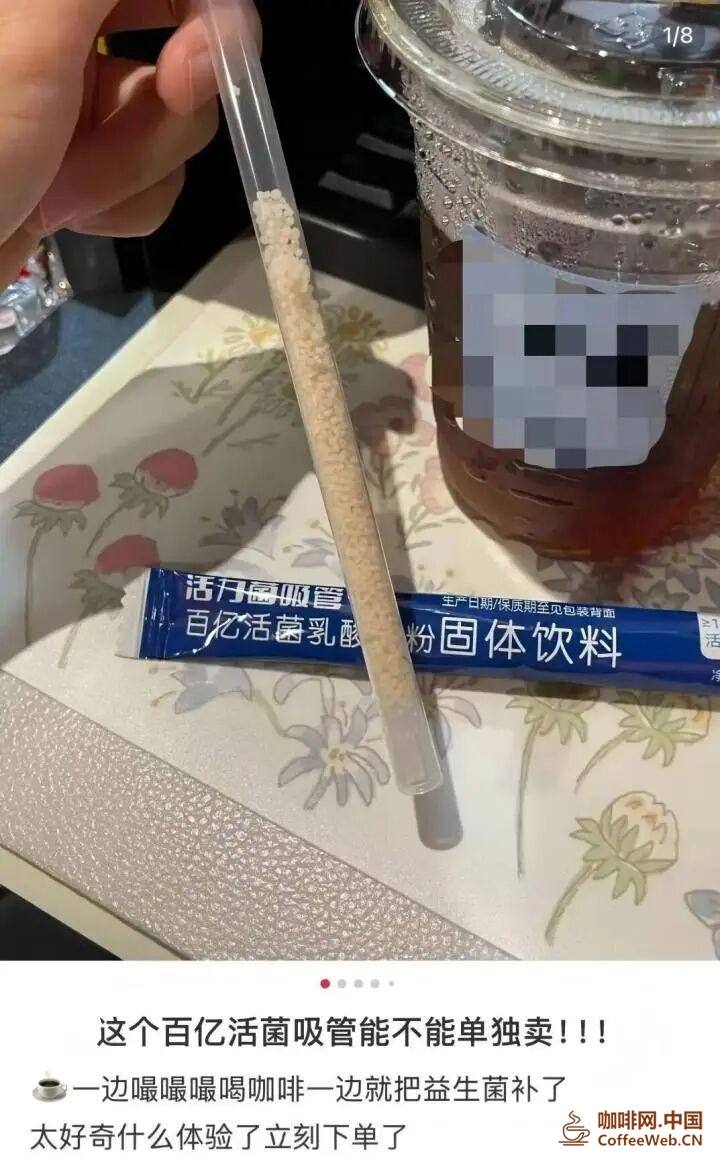
In fact, the straw is filled with freeze-dried dormant probiotic granules. Relying on mature freeze-drying technology that removes water from inside the bacteria, the probiotics enter a dormant state; combined with the sealed, dry straw structure, they can be stored stably at room temperature and are not easily inactivated. At the same time, precision filters at both ends of the straw effectively lock the powder in, preventing it from spilling prematurely during transport and handling.
10 Billion Live Bacteria Does Not Equal 10 Billion Effective Live Bacteria
Tong Xiaoqing, deputy chief technician in the Nutrition Department of Zhejiang Hospital, says the eye-catching figure of ’10 billion live bacteria’ may mislead many consumers into thinking that the higher the count, the better the gut-regulating effect. Yet the labeled 10 billion CFU is the number of live bacteria at the time the product leaves the factory, not the number that ultimately reaches the gut alive and works.
For probiotics to take effect, they must pass two major ‘checkpoints’ in the human body: gastric acid and bile. On an empty stomach, gastric juice pH can be as low as 1.5-2.5, an extremely acidic environment that kills the vast majority of probiotics. Even with more acid-resistant strains, the live bacteria count drops sharply after digestion in the stomach.
More crucially, this live-bacteria straw achieves only instant dissolution, with no additional acid-resistant encapsulation protection; once the bacteria enter the stomach they still face strong acid erosion. Nutrition data show that adults need 10 billion CFU of probiotics for daily gut maintenance, but the precondition is quality strains, protective technology and regular supplementation. Relying solely on a high factory live-bacteria count simply cannot guarantee a nurturing effect. The three core elements for probiotics to work: identify the strain number and choose a strain according to constitution or personal needs, ensure enough survive in the gut, and supplement regularly over a cycle — all three are indispensable.
Distinguish Experience from Efficacy
It Is Not a Health Miracle
Many netizens report that after drinking coffee paired with the live-bacteria straw, bowel movements become smoother, and on this basis conclude the product can regulate the stomach and intestines.

In fact this is a classic illusion; people need to strictly distinguish a change in experience from a real health effect.
Tong Xiaoqing explains that this live-bacteria straw coffee is an ordinary food, not an approved health food. The brief smoother bowel movement is merely an immediate physiological reaction and does not equal an upgrade in gut health. Do not treat viral live-bacteria coffee as a ‘laxative miracle’ to rely on long term, lest you put the cart before the horse.
Not Suitable for Everyone
These Groups Are Advised Not to Drink It
The live-bacteria straw is not for everyone. The official label clearly states that infants, pregnant women, breastfeeding women, and people with gastrointestinal conditions such as chronic gastritis, enteritis or diarrhea are advised not to drink it. People with sensitive guts trying it for the first time may experience bloating, rumbling, mild diarrhea and other discomfort. In healthy people the gut microbiota is already in dynamic balance; occasional drinking is nothing to worry about, but there is no need to supplement probiotics long term.
To maximize probiotic activity, using the right drinking method matters. First, avoid drinking on an empty stomach, when gastric acid concentration is highest and probiotic survival drops sharply — half an hour after a meal works better. Second, sip slowly in small mouthfuls so the powder dissolves evenly, and finish it immediately after opening rather than leaving it to sit for long.
Supplement Probiotics Scientifically
Recommended Approach
For daily gut care and probiotic supplementation, a more cost-effective and stable approach is to obtain them from natural foods. Naturally fermented foods such as unsweetened yogurt, plain fermented milk, natto and low-salt pickles contain a variety of active probiotics; paired with dietary fiber, they better nourish the gut microbiota.
If extra probiotic preparations are needed due to gut discomfort, focus on three core criteria when choosing: a fully disclosed strain name and number, a guaranteed live-bacteria count at the end of shelf life, and acid-resistant encapsulation technology. True gut health never comes from a single probiotic supplement, but from a balanced diet, ample dietary fiber, regular sleep and moderate exercise that maintain a dynamic microbial balance.
Tong Xiaoqing finally reminds that the ten billion live bacteria carried by one straw cannot offset the damage to the gut from bad habits such as staying up late, prolonged sitting and irregular eating. Treat live-bacteria straw coffee as an occasional fun drink, let go of the expectation that ‘one cup will fix your stomach’, and protect your gut scientifically — that is the soundest health choice.
Chengshi Interactive · City Express reporter Wu Shuang
(Source: Chengshi Interactive · City Express)
Distinguish between experience and efficacy
It’s not a health artifact
Not applicable to everyone
These groups are not recommended to drink
Scientific supplementation of probiotics
Suggest doing this
Reprint Notice & Disclaimer
- This article has been edited and compiled by China Coffee Network. The information and images therein come from public sources and the copyright belongs to the original author. This reprint is intended solely for information sharing within the coffee industry and does not represent the views of this website; all data and opinions are subject to the original article. Our thanks to the original author for creating and sharing it.
- For matters concerning content licensing, attribution, copyright or otherwise, please contact us promptly and we will verify and cooperate in handling them as soon as possible. We also welcome coffee origins, brands and industry media to exchange ideas and contribute articles.
- Contact China Coffee Network: Tel 400-0000-641 (+86-18288016826) | Email 478203668@qq.com
Related Reading
 Tim Hortons China Q3: System Sales Up 6.3% Quarter on Quarter
- CRH Plans OATLY Exit, Nayuki Leaves Wenzhou | Tea & Coffee Weekly
 The 2026 Asian Coffee Association Annual Meeting will be held in Dehong, Yunnan, and the Asia ABODY Coffee System Standard will be officially released
 The President of Brazil's Victoria Coffee Business Center (CCCV) led a delegation of four people to Pu'er, Yunnan to conduct a special inspection of the coffee industry
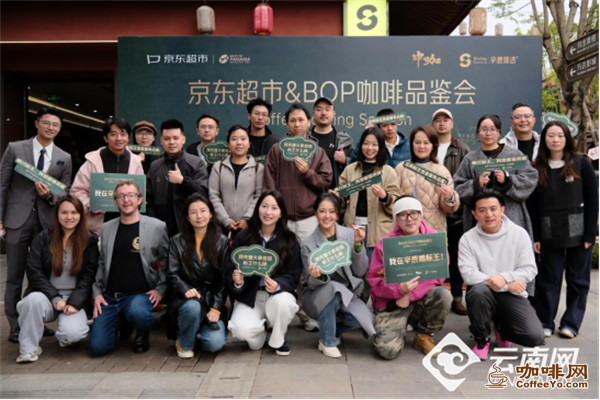 Behind the 1836 yuan "King of Brands": The Full Industry Chain and Offline Layout of Xinlu Coffee
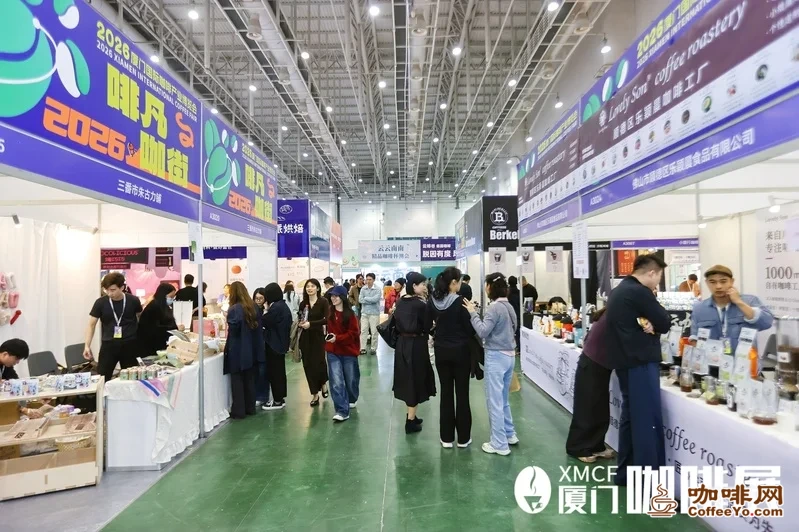 From a raw bean to a fragrant cup, Xiamen International Coffee Exhibition unlocks a new picture of the entire industry chain


 Liaoning ICP Security No. 21122402000217