


At a Glance (China Coffee Network): At 3 p.m., sunlight filters through the treetops of Guiyang Changpoling National Forest Park into Yimo Garden Cafe, where several young customers stand before a six-meter floor-to-ceiling framed view, hunting for the best photo angle. A customer takes photos inside Yimo Garden Cafe. Photo by Li Xuesue. Sunlight cuts through the mist, tracing beams of light in the dark space; coffee, forest and customers’ silhouettes are frozen together in the frame. ‘So photogenic!’ said a citizen who made a special trip.
At 3 p.m., sunlight passes through the treetops of Guiyang’s Changpoling National Forest Park and spills into Yimo Garden Cafe, where several young consumers stand before a six-meter-long floor-to-ceiling framed view, constantly searching for the best shooting angle.
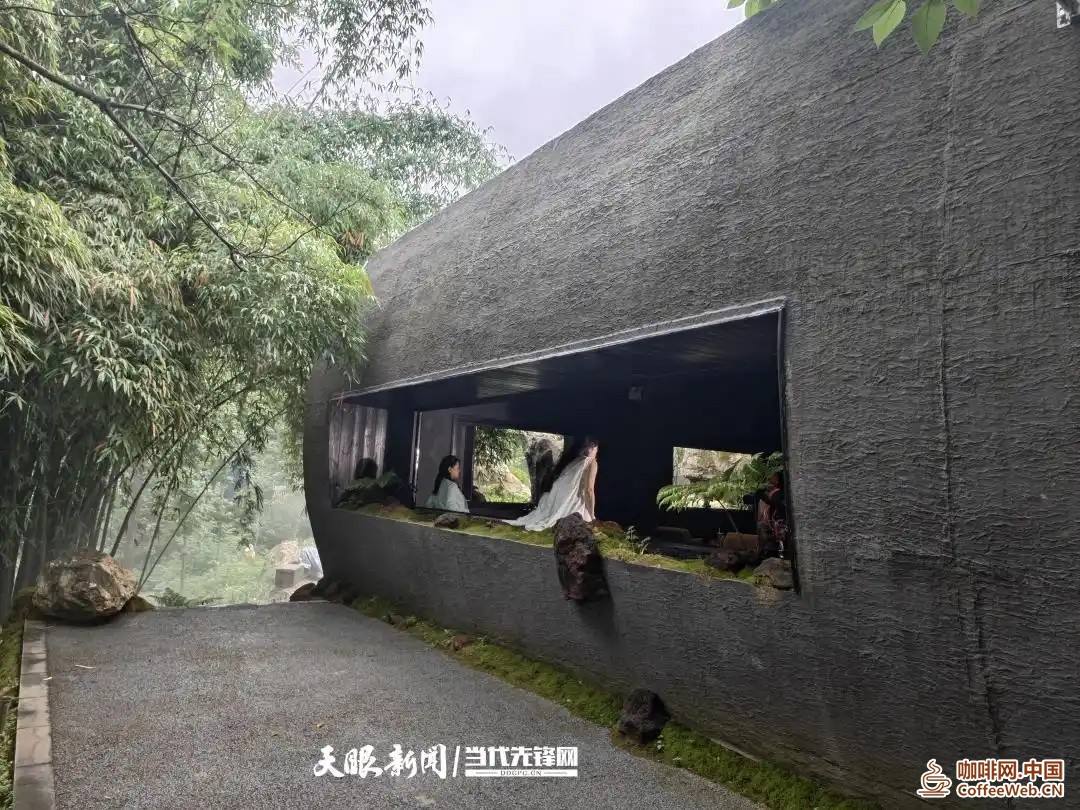
A customer takes photos inside Yimo Garden Cafe. Photo by Li Xuesue
Sunlight cuts through the mist, tracing beam after beam of light in the dark space, as coffee, forest and the figures of customers are frozen together in the lens.
‘So photogenic!’ said a citizen who had come specially to check in.
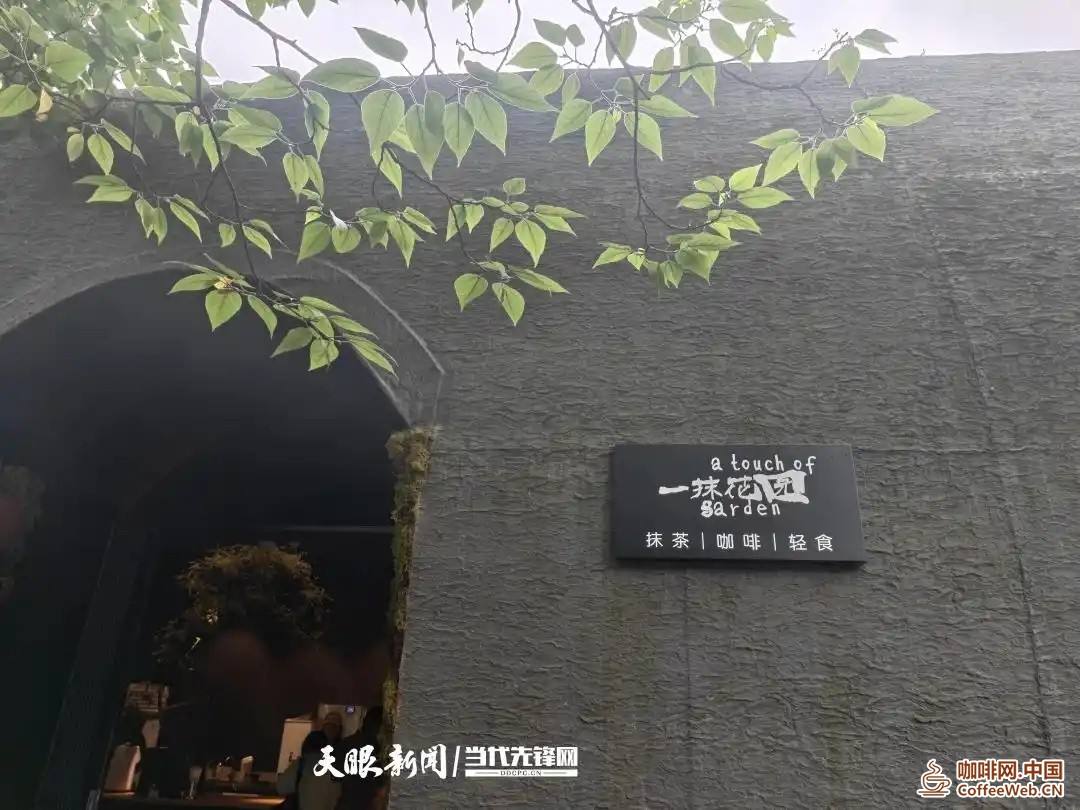
Yimo Garden, located inside Changpoling National Forest Park. Photo by Li Xuesue
Inside Changpoling National Forest Park, Yimo Garden coffee space blends forest, drinks and landscape into one, extending a new consumption model of ‘coffee plus ecology’ to explore new consumption scenarios on the urban outskirts.
‘Our team previously mainly worked on landscape design. By chance we came across an idle state-owned asset at Changpoling, and as we studied the site in depth we discovered this space, rich in natural resources, held many more possibilities,’ said Feng Linmei, head of Yimo Garden.
In the early design phase, the team visited the site many times to observe changing light, spatial layout and plant growth, studying how to turn the natural environment into a consumption experience. They ultimately decided to layer a new consumption format onto the existing office space.
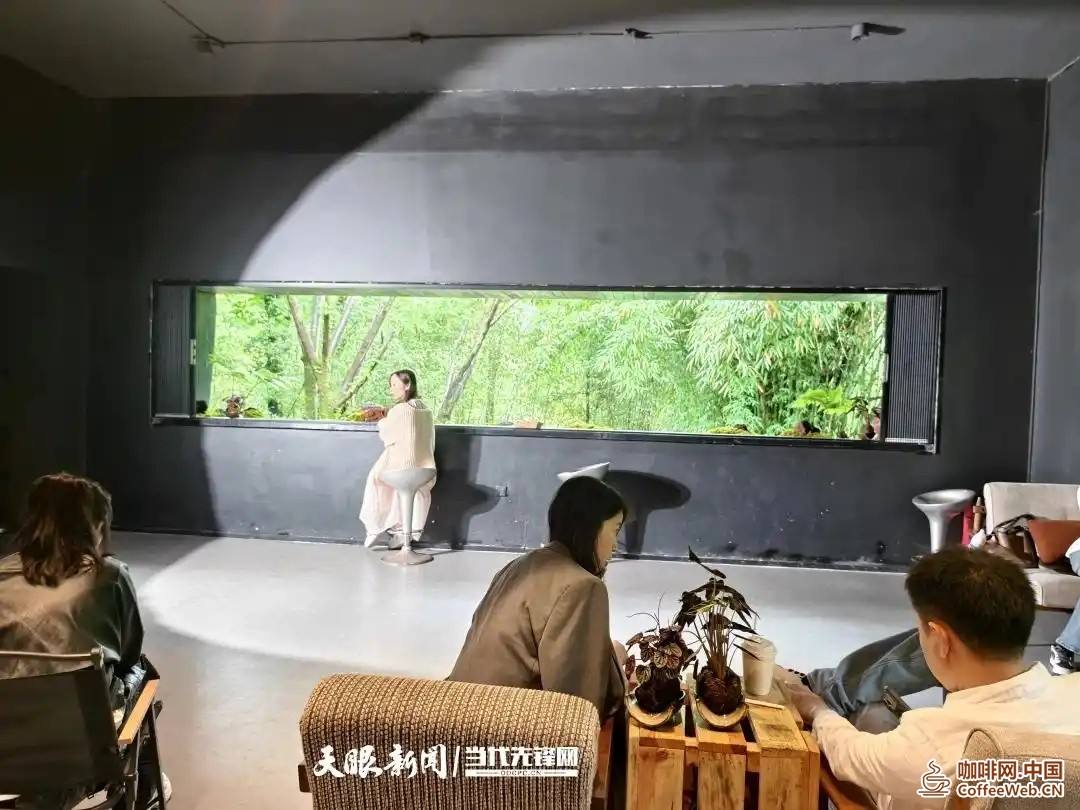
Inside Yimo Garden Cafe. Photo by Li Xuesue
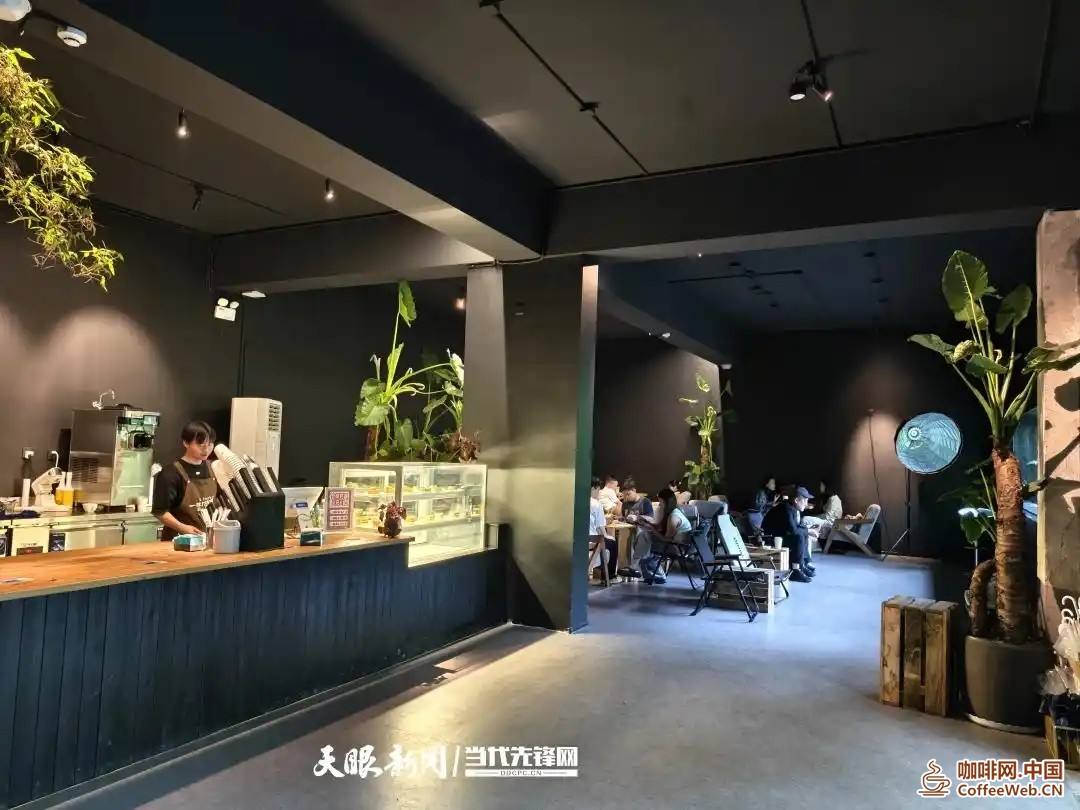
Inside Yimo Garden Cafe. Photo by Li Xuesue
‘We are not simply building a coffee shop; we hope to use drinks as a connection so that consumers gain more experiences within a natural setting,’ said Feng Linmei.
In terms of spatial design, Yimo Garden Cafe uses black tones over large areas to contrast with the green vegetation outside; indoors a six-meter-long framed view lets the forest become part of the space. Elements such as moss and volcanic rock are brought inside, echoing the green tone of its signature matcha products.
The drinks here are also an important part of the spatial experience; the shop features matcha products while also offering coffee and other beverages.
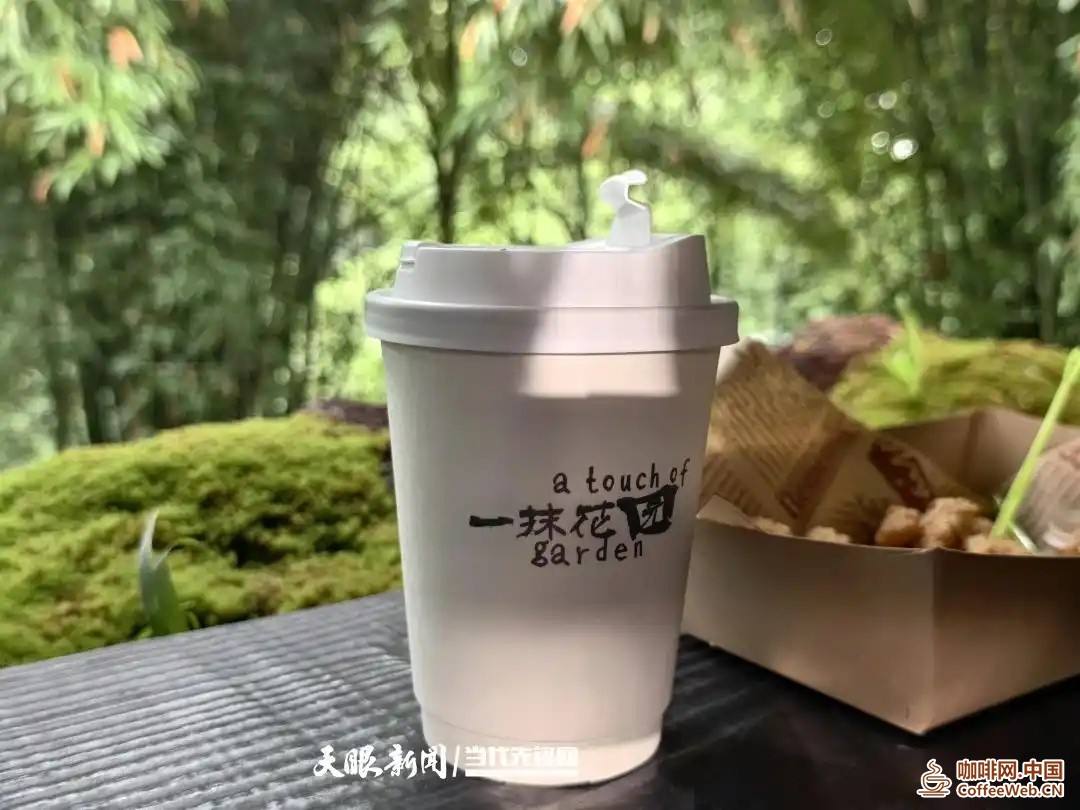
Yimo Garden coffee. Photo by Li Xuesue
‘Architecture shouldn’t block nature out; it should draw the outside scenery in,’ said Feng Linmei. To achieve this fusion, the team invited spatial designers to refine the plan, adjusting daylighting, layout and planting so that indoors and outdoors form a continuous visual relationship.
From 3 p.m. to 5 p.m. is the best time for photos here. Afternoon sunlight, passing through the space’s mist system, forms beams of light similar to the Tyndall effect in the air, creating a distinctive picture of forest, architecture, and the coffee or matcha in consumers’ hands.
‘A cup of coffee or a cup of matcha here is not just a drink; it also becomes a way for consumers to linger, socialize and experience nature,’ said Feng Linmei.
After trial operations began on April 8 this year, Yimo Garden quickly drew many consumers. Since opening, its single-day peak has reached about 800 visits, with average daily footfall of roughly 300 to 500.
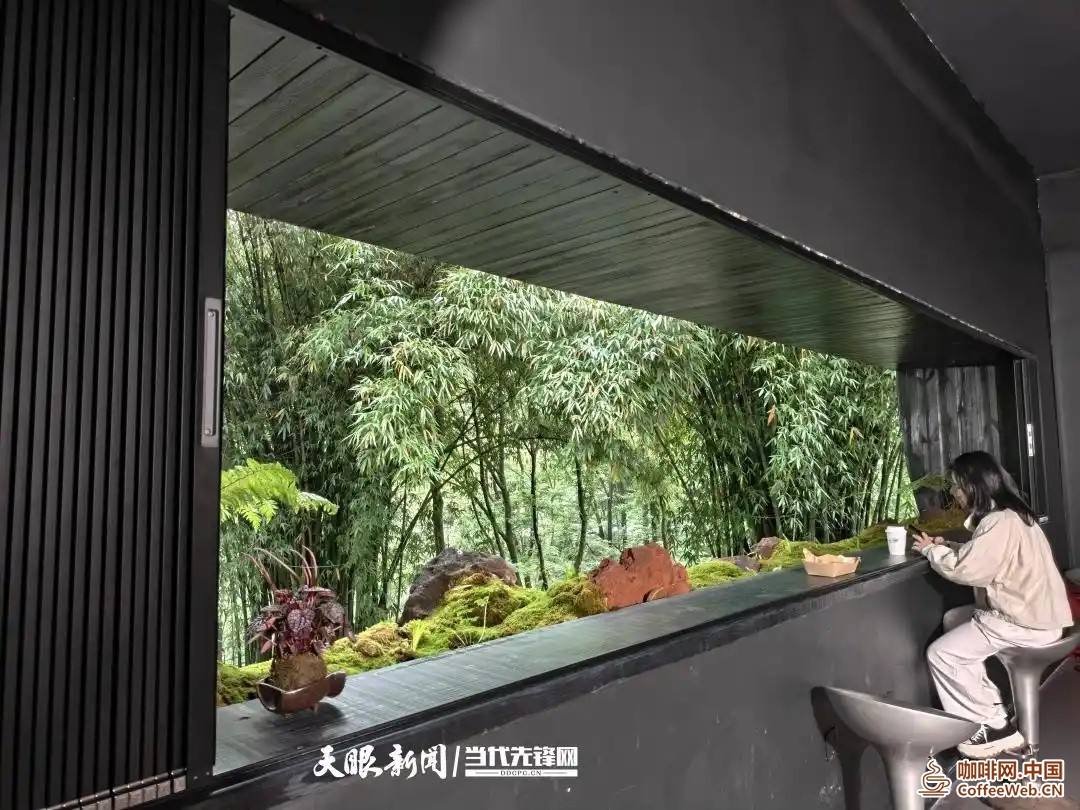
The oversized window view inside Yimo Garden Cafe has become the main spot for customers taking photos. Photo by Li Xuesue
Today, non-standardized consumption spaces that blend natural settings, cultural experiences and distinctive scenes are becoming the new choice of more and more consumers.
‘People not only care about eating and drinking well; increasingly they care about the environment and the experience,’ said Feng Linmei.
In recent years, from ‘coffee plus forest’ to ‘coffee plus cave’ and ‘coffee plus waterfall’, building consumption scenarios around distinctive spaces has become a new way for Guiyang to explore cultural-tourism integration, and its rich ecological resources provide natural conditions for such new formats.
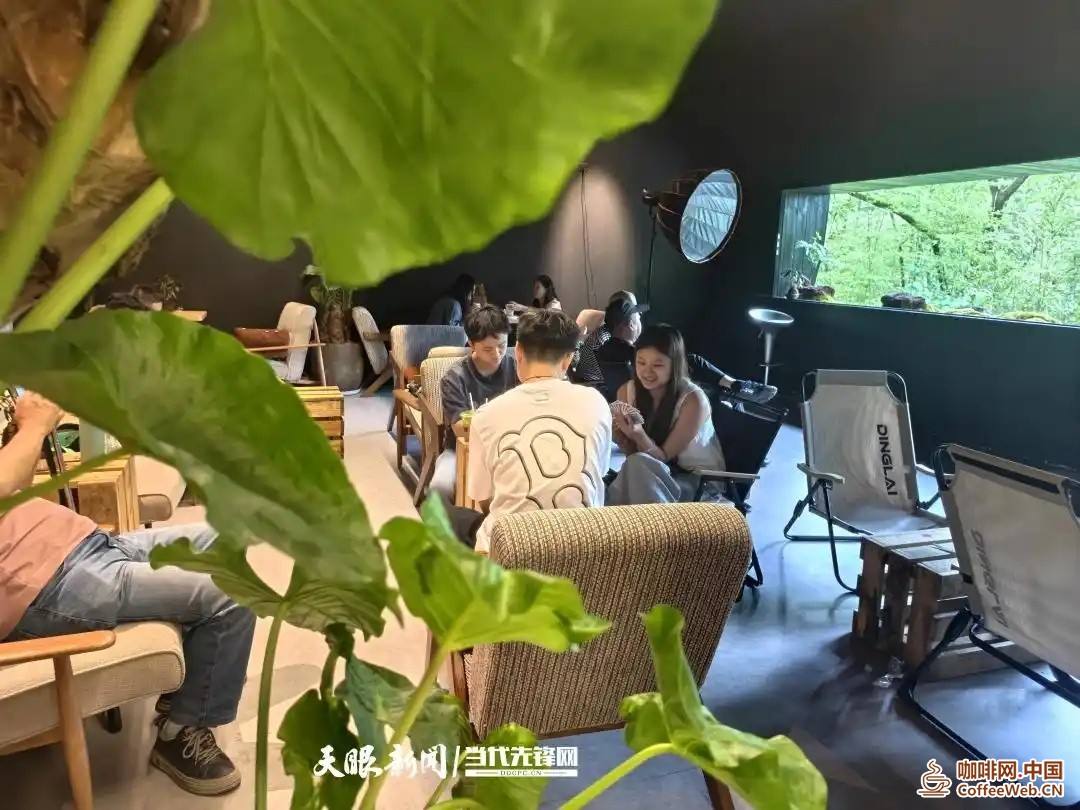
A customer relaxing at Yimo Garden Cafe. Photo by Li Xuesue
‘Standardized commercial spaces rely more on product competition, whereas we hope to differentiate ourselves through the natural environment and spatial experience,’ said Feng Linmei.
Changpoling National Forest Park sits fairly close to the urban core, preserving its forest ecology while also meeting consumers’ need for easy access.
‘You don’t have to travel far to get close to nature; the same experience can be had right around the city,’ said Feng Linmei.
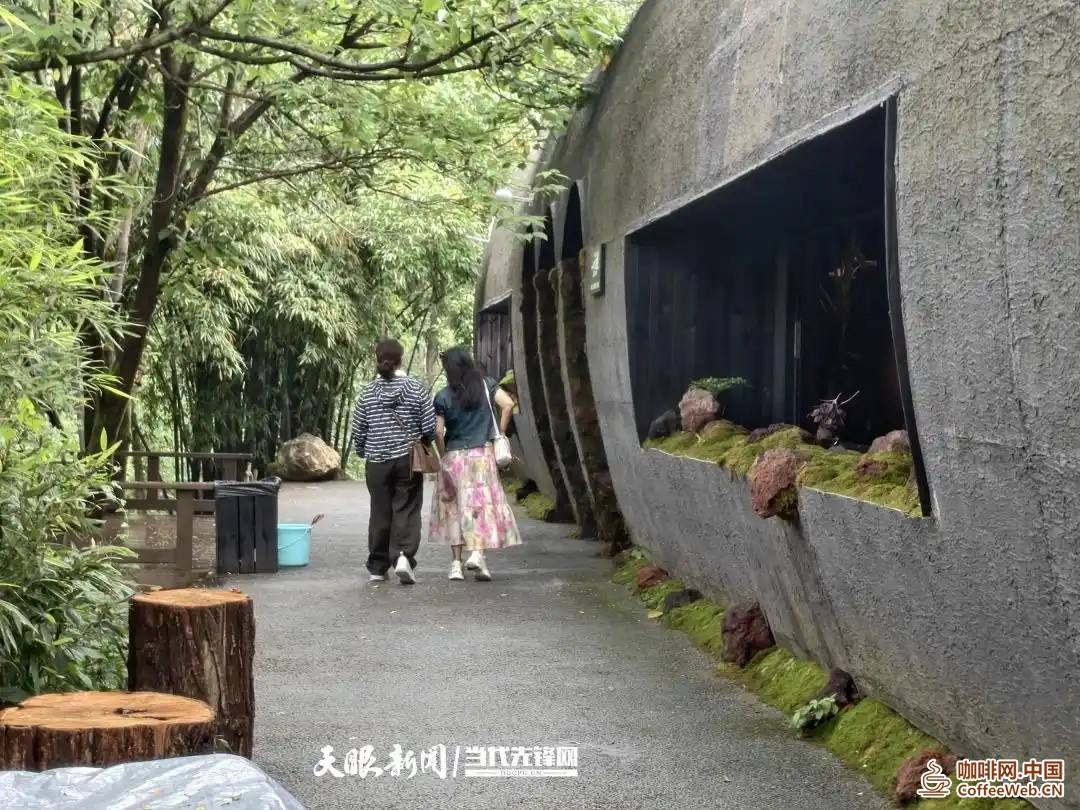
Visitors strolling outside Yimo Garden Cafe. Photo by Li Xuesue
Feedback from the first store’s operation has also strengthened the team’s confidence to keep exploring. At present, the second Yimo Garden location has begun construction, continuing to build new consumption spaces around forest settings.
‘Every place has a different natural environment, and the way it is presented should differ too,’ said Feng Linmei. What consumers need is not just the product itself but a new consumption scene made up of environment, culture and experience.
Tianyan News reporter
Text by Zhu Dengfang / Video by Li Xuesue
Editor: Bao Beibei
Second review: Li Shan
Third review: Yue Zhen
A garden caf é. Photo by Li Xuexue
A garden caf é. Photo by Li Xuexue
A touch of garden coffee. Photo by Li Xuexue
Tianyan News reporter
Text/Video by Zhu Dengfang/Li Xuexue
Editor Bao Beibei
Second instance Li Shan
San Shen Yue Zhen
Reprint Notice & Disclaimer
- This article has been edited and compiled by China Coffee Network. The information and images therein come from public sources and the copyright belongs to the original author. This reprint is intended solely for information sharing within the coffee industry and does not represent the views of this website; all data and opinions are subject to the original article. Our thanks to the original author for creating and sharing it.
- For matters concerning content licensing, attribution, copyright or otherwise, please contact us promptly and we will verify and cooperate in handling them as soon as possible. We also welcome coffee origins, brands and industry media to exchange ideas and contribute articles.
- Contact China Coffee Network: Tel 400-0000-641 (+86-18288016826) | Email 478203668@qq.com
Related Reading
 Jiangxi Wuyuan: Rural Coffee Unlocks New Cultural Tourism Formats
 Jiangxi Wuyuan: Rural Cafes Unlock New Cultural Tourism Formats
 Global quality goods gather at Hongqiao Import Commodity Exhibition Center, setting "Chinese standards" for coffee
- Global premium products gather to set China's coffee standards as Hongqiao Import Commodity Exhibition Center keeps the CIIE spirit alive
- Global quality goods gather as Hongqiao Import Commodity Exhibition Center and CIIE forge lasting partnership to set China's coffee standards.
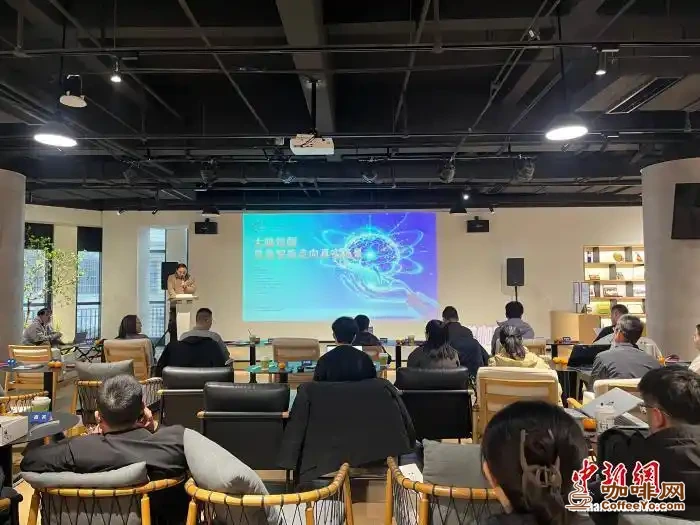 Zhejiang "Science Cafe" Promotes Embodied Intelligence in Real-World Scenarios


 Liaoning ICP Security No. 21122402000217