


At a Glance (China Coffee Network):Our newspaper reports (reporter Zhu Dan) — Recently, the Yunnan Provincial Market Supervision Administration released a series of five local standards titled “Coffee Professional.
Our newspaper reports (reporter Zhu Dan) — Recently, the Yunnan Provincial Market Supervision Administration released a series of five local standards titled “Coffee Professional Skill Requirements,” covering five job categories: coffee plantation management, primary processing, brewers, roasters, and tasters. Yunnan has taken the lead nationwide in building a systematic coffee professional competence evaluation system, supplying the industry with certified skilled craftspeople and addressing the talent gap that has long constrained service quality.
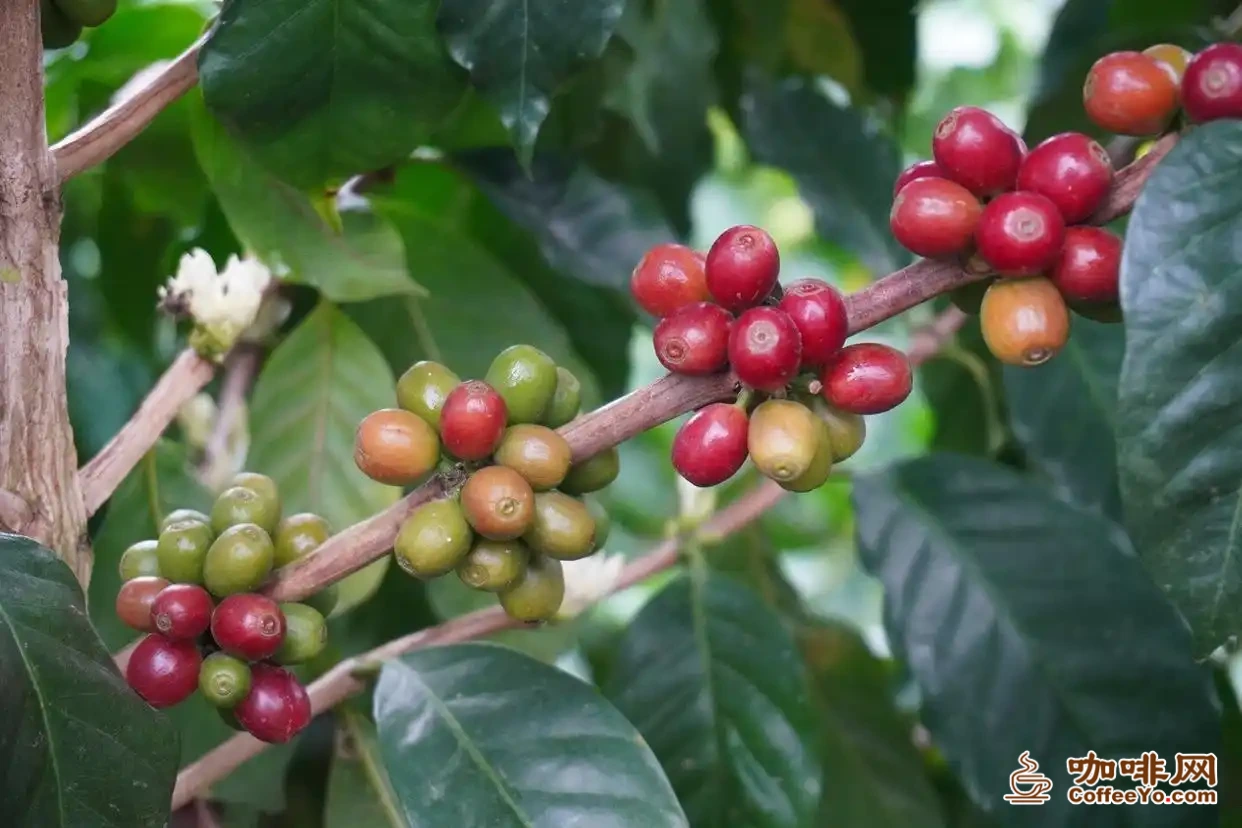
Yunnan is China’s core coffee-producing region. The planted area and total output of its small-grain coffee together account for over 98% of the national total, and the coffee industry has become a distinctive pillar industry that helps residents increase their incomes and advance the comprehensive revitalization of the countryside. Over the years, our province has deepened the building of its coffee standardization system, leading or participating in the drafting and revision of more than 50 national, industry, and local standards in the coffee field, and has built the country’s most extensive and complete coffee standard system spanning the entire industrial chain.
Drawing on long-term industrial practice and accumulated scientific and technological expertise, Yunnan has built a multi-tiered, three-dimensional standard system led by national standards, supported by industry standards, centered on local standards, and refined by supplementary standards. Standardized norms run through every link of the chain — coffee planting, deep processing, quality testing, market circulation, skilled talent, cultural-tourism integration, and comprehensive utilization of by-products — reversing the past predicament of an industry with no unified criteria and inconsistent coffee quality.
At the national-standard level, Yunnan led the drafting of “Quality Requirements for Geographical Indication Products — Pu’er Coffee,” filling a national-standard gap for geographical-indication coffee products in China. It is simultaneously advancing the development of several national standards, including “Quality Requirements for Geographical Indication Products — Baoshan Small-Grain Coffee,” “Sensory Analysis Methods — Sample Preparation for Sensory Analysis of Green Coffee,” and “Coffee Sensory Analysis — Terminology,” elevating the unique flavor characteristics of Yunnan small-grain coffee and its scientific sensory evaluation system into unified national norms. Baoshan small-grain coffee has been included in the China–EU geographical indication mutual-recognition list, opening overseas trade channels through unified standards.
Yunnan is deeply involved in drafting industry standards such as “Green Food — Coffee,” “Roasted Coffee,” and “Green Coffee,” unifying the general technical criteria for green coffee planting, roasting and processing, and green-bean testing nationwide, and setting a quality baseline for China’s coffee industry.
Meanwhile, our province’s provincial local standards form a closed-loop management system. Twenty-three provincial standards, including “Small-Grain Coffee,” build a full-process technical framework for small-grain coffee, covering variety selection, seedling care, field planting, primary processing, defect-bean inspection, green-bean grading, cup tasting, premium raw materials, and warehousing and logistics. Supplementary specifications have been formulated for coffee pest and disease monitoring, green control of coffee rust, coffee cascara-tea processing, product quality traceability, and industry competition management.
In production, the rollout of standardization has unified the province’s coffee cherry picking, grading, and processing workflows. The province’s share of specialty-grade coffee has been steadily climbing; in Baoshan’s core producing areas, the proportion of specialty coffee has risen to 70%.
In quality control, our province has refined standards for green-bean grading, cup tasting, and sensory analysis, establishing a scientific, quantitative evaluation system. Premium coffee beans command a clear market premium, and per-mu income for coffee farmers has seen real growth. The “Coffee Quality Safety Traceability Management Specification” promotes full-process traceability, combined with defect inspection and green-food standards, making every Yunnan coffee bean traceable and trustworthy from field to cup, with inspection pass rates held at a high level.
Furthermore, our province’s nationally pioneering “Technical Specification for Coffee Cascara-Tea Processing” has turned yesterday’s “waste” into a trendy new beverage, while standards for intercropping and estate construction have spawned new business forms such as “coffee + cultural tourism” and “coffee + circular agriculture,” extending the industrial chain further.
Reprint Notice & Disclaimer
- This article has been edited and compiled by China Coffee Network. The information and images therein come from public sources and the copyright belongs to the original author. This reprint is intended solely for information sharing within the coffee industry and does not represent the views of this website; all data and opinions are subject to the original article. Our thanks to the original author for creating and sharing it.
- For matters concerning content licensing, attribution, copyright or otherwise, please contact us promptly and we will verify and cooperate in handling them as soon as possible. We also welcome coffee origins, brands and industry media to exchange ideas and contribute articles.
- Contact China Coffee Network: Tel 400-0000-641 (+86-18288016826) | Email 478203668@qq.com
Related Reading
 Lincang Advances Coffee Industry with Premium Development Strategy: Aroma of Coffee Fills the Path to Revitalization
- Lincang advances coffee industry with premium development approach: aroma of coffee fills the path to revitalization
 Yunnan Dehong Tropical Agriculture Research Institute promotes shift from conservation to utilization of coffee germplasm resources
 Tracing Baoshan's 72-Hour Journey: Following Luckin to Discover the Origins of Good Chinese Coffee
 Yunnan Ruili: Technology boosts coffee industry quality and efficiency
 Tim Hortons China Q3: System Sales Up 6.3% Quarter on Quarter




 Liaoning ICP Security No. 21122402000217