
Brief (coffeeyo.com): Along Jinan’s moat and through its old alleys, a wave of coffee shops is quietly refreshing the thousand-year-old Spring City—turning heritage courtyards, parks and disused factories into stylish, culturally rooted gathering spots for the young.
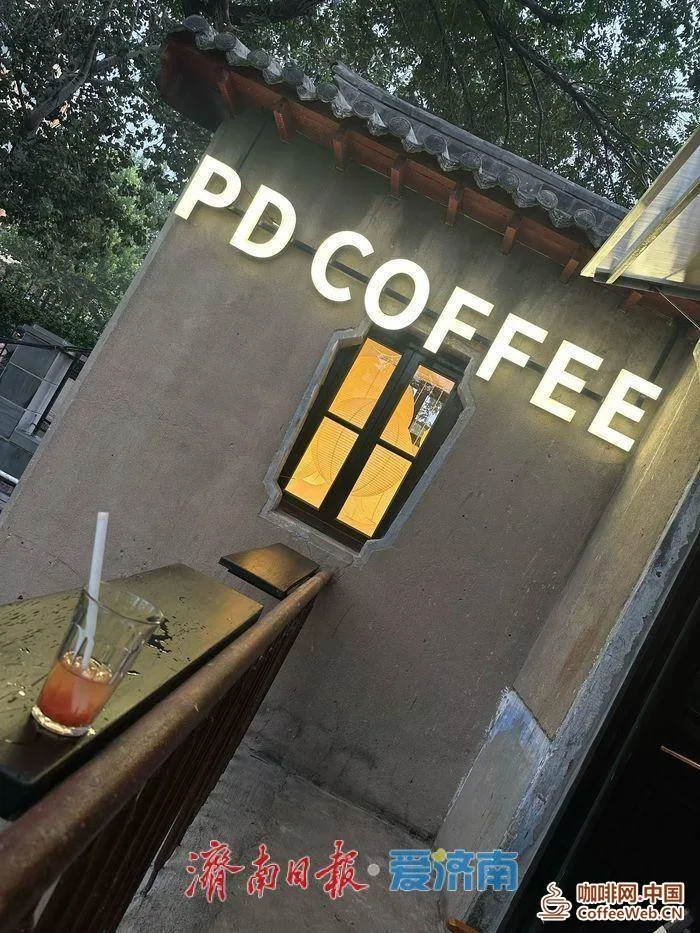
By the moat, weeping willows brush the water and the murmur of springs drifts in through the latticed windows along the blue flagstones. PD Coffee, opened right at the water’s edge, has become this summer’s unspoken dating spot for Jinan’s young people. The toasty aroma of dark-roasted beans mingles with the damp riverside air, and from a window seat you look up to see ripples and tree shadows—this “drinking the spring water into your coffee cup” sense of ease has been endlessly reposted on Xiaohongshu.
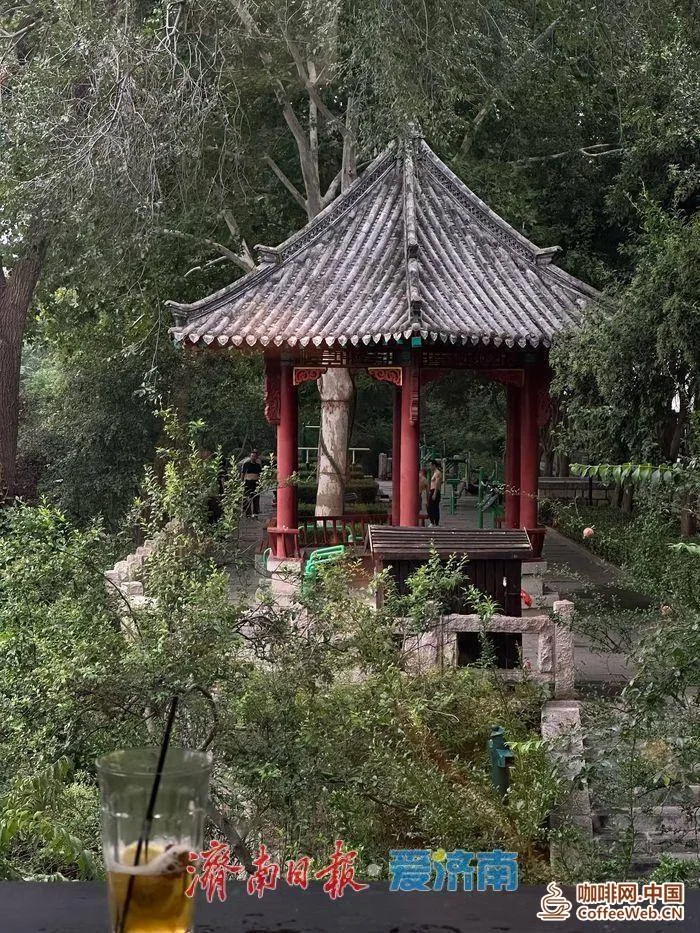
Not far away, in Quancheng Park, a glass coffee house tucked among the lotus pond and willows is equally popular. Sunlight filters through the leaves onto the rim of a cup as locals and visitors push the door open, turning the traditional park’s morning exercise and stroll into an “afternoon tea in the urban forest.”
Xiaohongshu blogger @Spring Day Roaming wrote: “On a weekday at noon I sneak out, order a ‘sweet tooth’ latte, and watch the light spots slowly move across the table—half an hour is enough to heal a whole afternoon.”
As the coffee aroma drifts into old courtyard walls and new formats move into old spaces, Jinan’s historic core is quietly staging a gentle spatial renewal. From park riverbanks to deep old lanes, from industrial heritage to old commercial-port residences, a batch of new consumption scenes that blend aesthetic taste with local culture are breaking ground. They are not merely internet-famous photo spots, but a brand-new medium through which young people converse with the old city, quietly reshaping the character of the place.
By the Gaosheng Bridge on Qushuiting Street, the century-old “Gaosheng Inn” residence has been transformed into the Yichi Huayuan (One Foot Garden) cafe. The old inn recorded in the novel “The Travels of Lao Can” still keeps the grey bricks and tiles and the live water running through the courtyard of old Jinan, while minimalist floor-to-ceiling windows and modern soft furnishings quietly inject an urban quality. A clear spring flows slowly through the yard, and on both banks young people holding coffee smile brightly—the mottled texture of the old building and a contemporary way of life overlap here in a wonderful way.
The transformation of Shangxin Street is even more of a model. This century-old street once fell into decline and quiet, but after “embroidery-needle”-style restoration and renewal, dozens of distinctive shops have moved in one after another. From the brick-and-stone villas comes the rich aroma of steamed milk foam; the courtyard hosts cultural-creative handcraft markets; and from the third-floor terrace you can overlook the entire old-town fabric of grey tiles. The most viral item at the Shangxin lounge is the “gaiwan coffee”—an espresso served in the porcelain lidded bowl of old Jinan’s big-bowl tea, maxing out the ritual of a Chinese-Western collision and becoming a must-order for many who come to the old street.
The consumption renewal of the old core is not limited to historic homes; dormant industrial heritage is also writing new stories.
The Shandong Film Processing and Printing Factory on Wenhua East Road was built in the 1970s and was once a stronghold of film processing in North China; after the digital era arrived it lay quiet for a time. Today, many cafes have moved in. In the old workshop, which retains its concrete columns and industrial walls, the old projectors have been remade into creative coffee tables and the processing hall turned into a roving art exhibition space. When plane-tree leaves cover the factory courtyard, sketching students, working youth and photo-taking tourists each find their place, and a compound “coffee + art + education” ecology grows here naturally. The same renewal is happening in the old commercial-port district, where more than twenty French- and German-style old buildings along Jingsan Road now host vintage shops, independent cafes, buyer boutiques and craft-beer bars in succession. Without large-scale demolition, relying only on grassroots aesthetic renewal, this plane-tree-shaded old street has re-gathered its crowds.
Why do these new scenes hidden in the old-town fabric keep capturing young people’s attention? The answer lies in a dual resonance of aesthetics and culture. Unlike the crude commercial formats of traditional scenic areas, these new spaces generally have an on-point visual expression—minimalist design, natural daylight and a tone that blends with the environment—precisely matching young people’s aesthetic needs and their expectation of “shootable” settings. More importantly, they are rooted in Jinan’s local cultural veins: gaiwan coffee, spring-water tea seats, old-building renovations—these consumption scenes carrying the city’s imprint let young people rediscover the charm of their hometown and let out-of-town visitors touch a real, tangible urban fabric.
The old city is not old; new sprouts are emerging. Starting from a cup of coffee by the moat, Jinan is completing its urban renewal in a gentle way—not razing and rebuilding, not rushing for quick results, but letting history and the present converse peacefully in the same space. The footsteps and lenses of the young are the best response to this renewal, and these new consumption scenes growing deep in the old city are little by little enriching the city’s substance, giving this millennium-old Spring City a bit more of a young quality that can be strolled, lingered in and savored.
Source: coffeeyo.com (China Coffee Network).
Reprint Note & Disclaimer
- This article is reprinted from Chinese media for information and cultural exchange. The views expressed are those of the original author and do not necessarily reflect the position of coffeeyo.com.
- All trademarks, brand names and logos mentioned belong to their respective owners.
- For cooperation, reprint or correction requests, please contact coffeeyo.com.
Reprint Notice & Disclaimer
- This article has been edited and compiled by China Coffee Network. The information and images therein come from public sources and the copyright belongs to the original author. This reprint is intended solely for information sharing within the coffee industry and does not represent the views of this website; all data and opinions are subject to the original article. Our thanks to the original author for creating and sharing it.
- For matters concerning content licensing, attribution, copyright or otherwise, please contact us promptly and we will verify and cooperate in handling them as soon as possible. We also welcome coffee origins, brands and industry media to exchange ideas and contribute articles.
- Contact China Coffee Network: Tel 400-0000-641 (+86-18288016826) | Email 405854472@qq.com | Address: Jinghong, Xishuangbanna, Yunnan Province / Tieling, Liaoning Province
Related Reading
 How ‘Sea-Flavored’ Coffee Blooms Across Dongtou
- Health Guide: How to Enjoy Your Coffee the Healthy Way
 Study: Regular Coffee and Tea May Lower Dementia Risk, but More Is Not Better
 Frontline Story: A ‘Mobile City Coffee Bar’ Arrives by the Grand Canal
 Yantai’s Wind Tastes of Coffee
 In Zhenyuan, a Cup of Coffee and a Waiting Train







 Liaoning ICP Security No. 21122402000217