
Brief (coffeeyo.com): The next stop in our “A Date with Village Splendor” series is Yanhe Village in Yaojiaji Subdistrict, Huangpi District — a model rural community that has gone viral for its starry-sky campsite, the “Xiangba” rice-field coffee, a rural esports base, and a “happiness canteen” where a meal costs just 2 yuan.
Chutian Metropolis Daily · Jimu News
Early September has just arrived, and the first hint of autumn coolness is already in the air. Driving through the lush hills and clear waters of Huangpi in Wuhan, the eyes and the heart are equally filled with ease and contentment.
The next destination in our “A Date with Village Splendor” series is Yanhe Village in Yaojiaji Subdistrict, Huangpi District — a model rural community that has gone viral for its starry-sky campsite, the “Xiangba” rice-field coffee, a rural esports base, and a “happiness canteen” where a meal costs just 2 yuan.
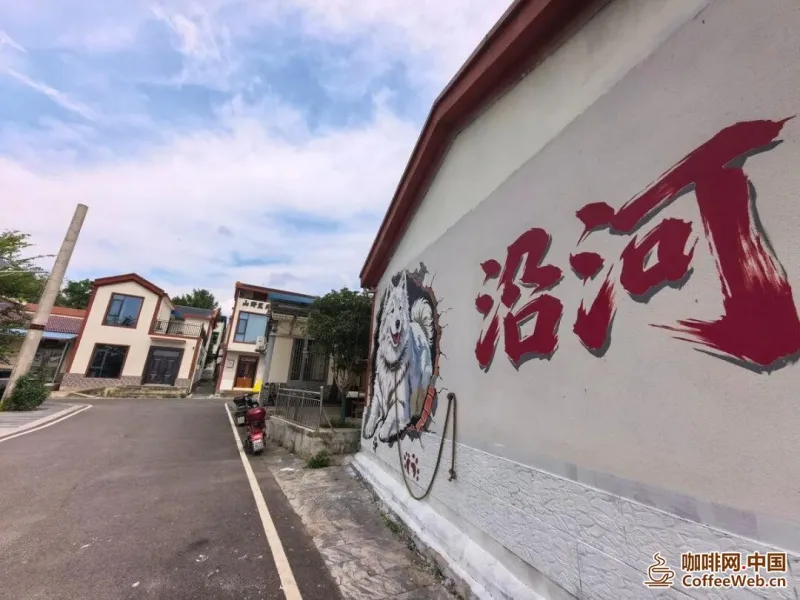
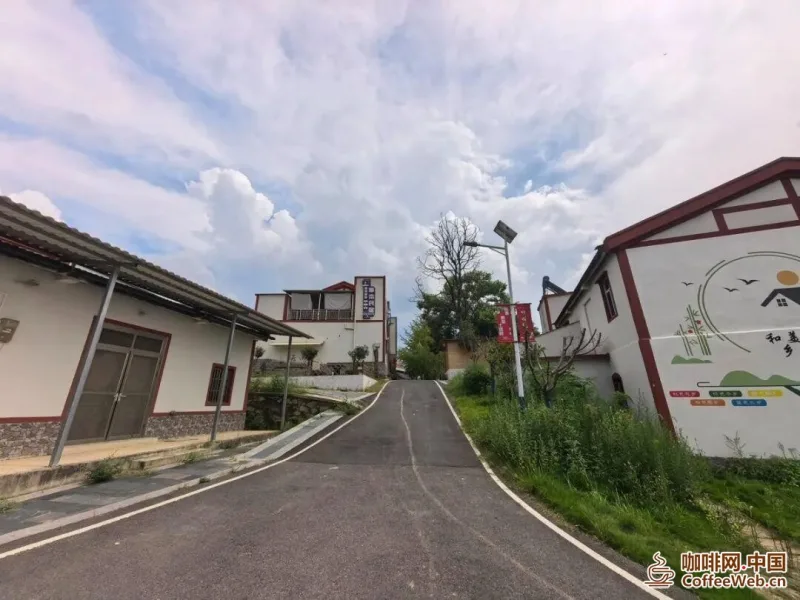
Yanhe Village today: a tidy, refreshed look that catches the eye. Photo by Cao Lei.
Sipping coffee under the starry sky, the leisure of a modern village maxed out
Around 10 a.m., just after exiting the Yaojiaji toll station on the Wuda Expressway, the reporter’s attention was seized by Yanhe Village’s beautiful rural scenery. As far as the eye could see, blue sky and white clouds blended with green hills and fields. In the distance at the Starry Riverside Campsite, “space capsules,” woodland cabins and green lawn canopies stood in graceful disorder along the clear riverbank, all breathing an air of quiet leisure.
Following the fresh scent of fruit and vegetables, the reporter’s car first pulled into the Starry Riverside Campsite. Rows of grape greenhouses and a blueberry orchard give the site an extra rustic charm. Not far off, a 15-mu campsite of lush green lawn stretches out, ending at the murmuring river and a row of modern “space capsule” lodgings.
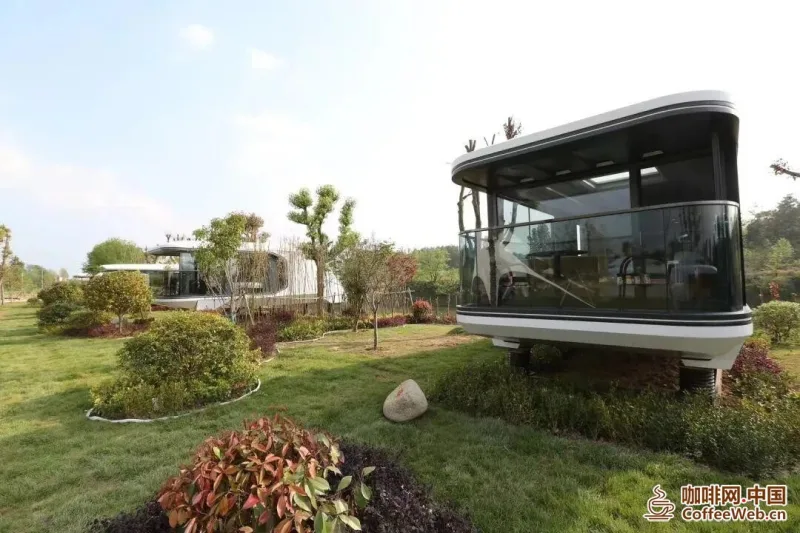
The campsite’s distinctive “space capsule” lodgings. Photo provided by contributors.
The campsite manager explained that as night falls, the site’s colourful lights rise together with the tents; the lamps inside the “space capsules” illuminate the riverbank, and visitors from the city gather to sip a cup of rice-field coffee, lying on the grass or in the lodgings gazing up at the stars — the quiet leisure of a modern village turned all the way up.
This sense of leisure comes from the ease beneath the dusk and starlight, from the fruit fragrance of the farm harvest, and also from the cup of rice-field coffee from “Xiangba” in the visitors’ hands.
Just across the road from the Starry Riverside Campsite, the stylishly decorated “Xiangba” rice-field coffee is buzzing with popularity. Whether distant visitors here to relax or villagers out for a casual stroll, all can enjoy the most comfortable leisure of the day.
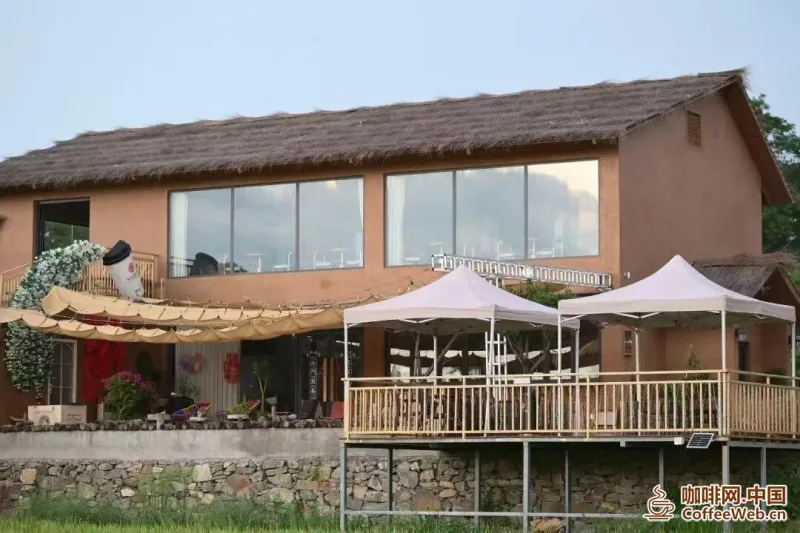
“Xiangba” rice-field coffee in Yanhe Village has become a social-media hit spot. Photo provided by contributors.
Beyond the café, clean and tidy streets and plainly decorated yet artistic homestays make people “feel something special,” drawing visitors from all over the country to come and relax, gaining a solace for the spirit.
From the Starry Riverside Campsite to “Xiangba” rice-field coffee and on to the village’s distinctive homestays, Yanhe Village is planning even more innovative projects. Its agriculture–culture–tourism industry grows more prosperous by the day, step by step building this beautiful land into a vibrant model of a modern, harmonious and beautiful village.
A 2-yuan meal with meat and vegetables, the happiness of a thriving village maxed out
As the interview neared noon, Li Guanghua, the village Party branch secretary who had been wandering the village with the reporter, gave a sweeping wave of his hand and said, “Let’s go see our village’s ‘happiness canteen’! The elderly are having their meals right about now.”
After just a few minutes’ walk, the reporter arrived at Yanhe Village’s happiness canteen. At that moment, several elderly people were lining up to get their food. Many more sat together, eating and chatting about daily life. The whole canteen was filled with the aroma of home cooking and a sense of human warmth, feeling especially intimate.
“Our children work away from home; the two of us old folks eat here at noon — convenient, cheap and tasty! It’s a benefit the village gives us!” said an elderly villager surnamed Chen (Grandpa Chen), around 70. He said that in the past the two elders would just whip up something at home, making do with one or two dishes. Since the village opened its happiness canteen, they come every day: “There’s meat, vegetables and soup — a rich and nutritious spread. And there’s someone to chat with while we eat; we hate to leave every day.”
The village’s “happiness canteen” lets residents feel the thoughtful benefits of a thriving rural community. Photo by Cao Lei.
The reporter learned that since Yanhe Village’s happiness canteen was put into use in January 2026, it has run stably for nearly eight months, bringing great happiness to the village’s elderly. “We have many left-behind elderly in the village, and they are getting on in years. Most of their children work away, so the elders often face the question of ‘whether to cook’ and ‘how to eat,'” Li Guanghua explained. Around 130 permanent residents aged over 60 live in Yanhe Village, and whether they “can eat on time” and “can eat well” is a very real problem.
“The concerns of the people are the problems we need to solve,” he said. In October 2025, learning that Wuhan was advancing a “Rural Left-behind Elderly Mutual-aid Courtyard” project, the village’s Party committee and village committee decided to seize the opportunity and solve the “how to eat” problem for the village’s left-behind elderly.
Thinking is doing! Soon, Li Guanghua boldly led the village in transforming the old village committee site — designed as “canteen on the first floor, activity room on the second” — into Wuhan’s first rural mutual-aid courtyard, saving operating costs while expanding elderly-care functions.
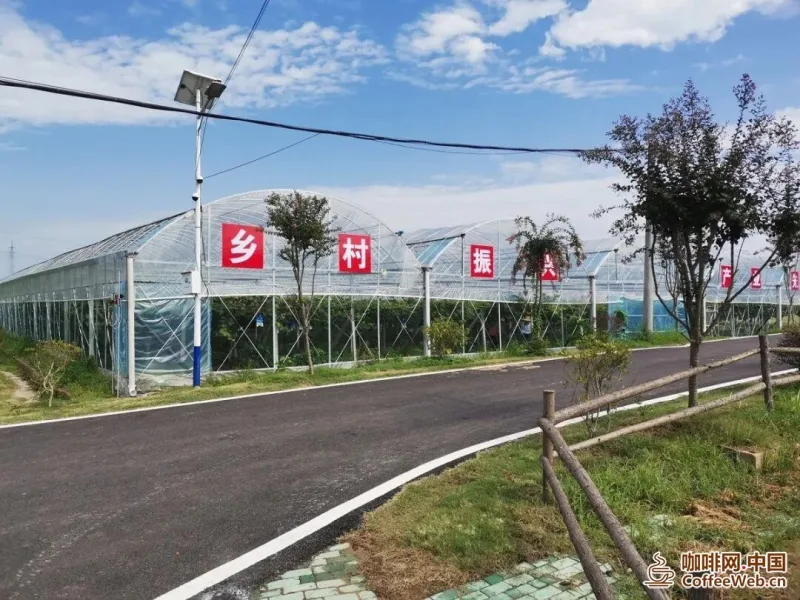
Every local industry contributes to building a happy village. Photo provided by contributors.
With the canteen’s location settled, what about the cooking? “We must solve both the elderly’s ‘hard to eat’ problem and the canteen’s long-term operation,” Li Guanghua said. They finally came up with a “four-party carrying the load” solution — the government chips in a bit, the village adds a bit, society donates a bit, and villagers contribute a bit — pooling strength to keep the village canteen happy forever.
At present, villagers over 60 eat at the canteen for just 2 yuan per meal. Over the past half-year, the village’s increasingly prosperous agriculture–culture–tourism industry has provided a solid guarantee for the canteen’s daily operation.
Small points spark big energy, the sense of belonging in a thriving village maxed out
As the village homestays grow hotter, the rice-field coffee more fragrant, the starry campsite more beautiful and the happiness canteen busier… behind these thriving scenes of Yanhe Village is the village Party committee quietly contributing drive through an incentive-based management mechanism, the most effective form of which is the points system.
The points system is one of the effective means of rural governance promoted by the Ministry of Agriculture and Rural Affairs. In 2025, Wuhan selected 105 administrative villages for a pilot, and Yanhe Village was among them.
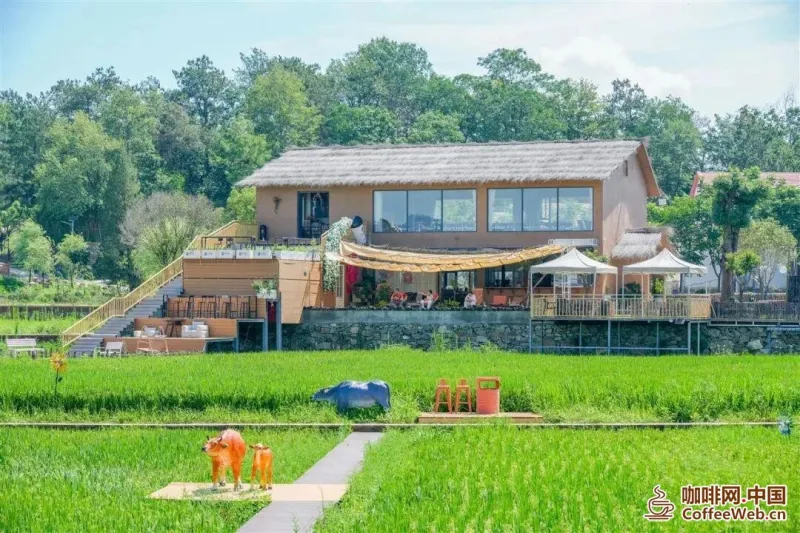
Encouraged by the points system, Yanhe Village’s industry projects attract more participants. File photo.
“We built the village well and brought in good industries; the key next step is how to maintain and even upgrade these results — that requires institutional innovation,” Li Guanghua told the reporter. The foundation of the village’s points system is to encourage villagers to earn points and redeem items by taking part in public affairs such as environmental governance, but they hope to use new ways to keep raising villagers’ enthusiasm and creativity, thereby strengthening their sense of gain, and ultimately benefiting the whole village.
So, after broadly collecting villagers’ opinions, the village Party committee and village committee upgraded the points system — adding a special “industry development” points category. Under the new system, every time a villager takes part in concrete work for rural development, it is quantified and scored. “For example, working at an industry base, serving at an orchard or campsite, taking part in environmental governance for the village or cultural-tourism projects, promoting agricultural products, or bringing in visitors for tourism projects — all can accumulate points and earn rewards,” Li Guanghua said.
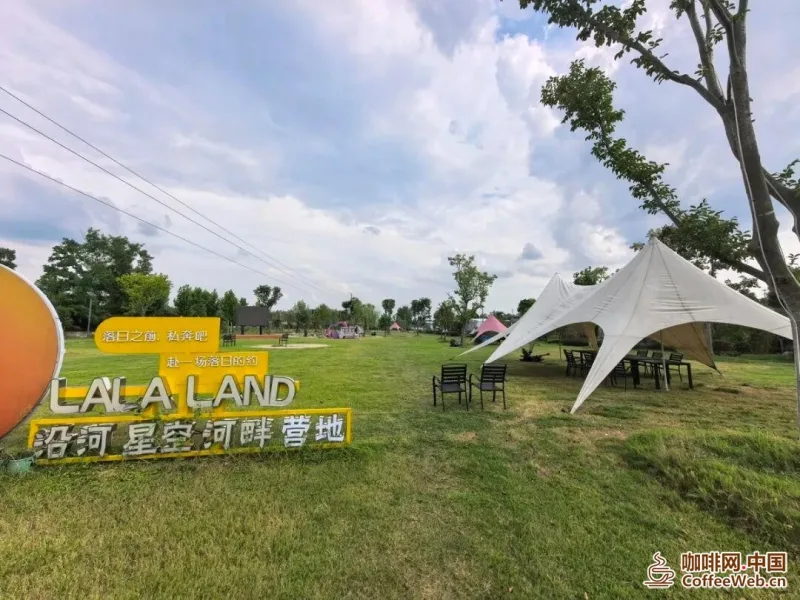
Small points, big energy — fueling the new splendor of a thriving rural community. Photo by Cao Lei.
Tangible benefits greatly lifted villagers’ enthusiasm. Everyone put their own strengths to use and took a more active part in building the village — some used their social resources to help bring in industries like fruit and vegetable planting; some turned their own talents and hobbies into value, bringing in visitors for the village’s agriculture–culture–tourism projects through copywriting, photography, video shooting and social-media operations; others set themselves a “shift,” reporting daily to work at the “Xiangba” café or the Starry Riverside Campsite, earning both wages and points — killing two birds with one stone, busy and happy.
One villager laughed that with the village’s “upgraded” points system, everyone works with more energy, the village’s industries flourish, the environment is more beautiful, incomes keep rising, and life gets better.
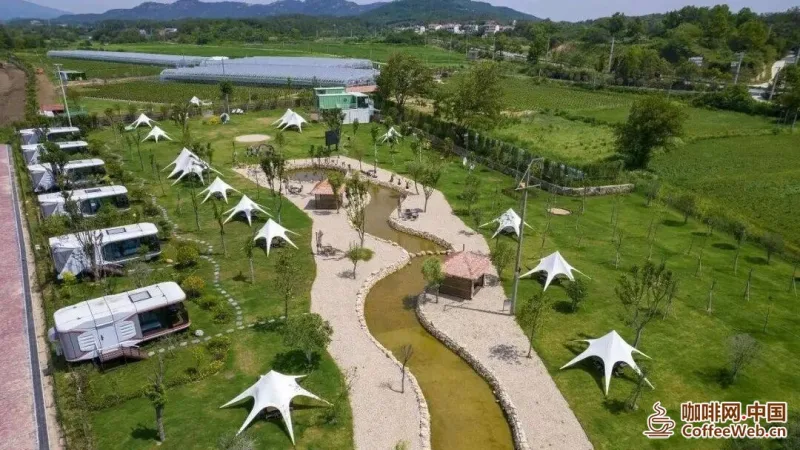
Yanhe Village’s future is heading toward a place that is better to live in, work in and visit. Photo provided by contributors.
The reporter learned that at present 1,052 villagers in the whole village have opened points accounts and joined the points programme. Small points spark big energy, and the effectiveness of rural governance is markedly improved. In 2025, Yanhe Village’s collective income exceeded 600,000 yuan, maxing out the sense of belonging in this thriving rural community — simply because every deed benefits the ordinary people, and daily life is filled with happiness.
Reprint Note & Disclaimer
- This article is reprinted from Chinese media for information and cultural exchange. The views expressed are those of the original author and do not necessarily reflect the position of coffeeyo.com.
- All trademarks, brand names and logos mentioned belong to their respective owners.
- For cooperation, reprint or correction requests, please contact coffeeyo.com.
Reprint Notice & Disclaimer
- This article has been edited and compiled by China Coffee Network. The information and images therein come from public sources and the copyright belongs to the original author. This reprint is intended solely for information sharing within the coffee industry and does not represent the views of this website; all data and opinions are subject to the original article. Our thanks to the original author for creating and sharing it.
- For matters concerning content licensing, attribution, copyright or otherwise, please contact us promptly and we will verify and cooperate in handling them as soon as possible. We also welcome coffee origins, brands and industry media to exchange ideas and contribute articles.
- Contact China Coffee Network: Tel 400-0000-641 (+86-18288016826) | Email 405854472@qq.com
Related Reading
 How ‘Sea-Flavored’ Coffee Blooms Across Dongtou
- Health Guide: How to Enjoy Your Coffee the Healthy Way
 Study: Regular Coffee and Tea May Lower Dementia Risk, but More Is Not Better
 Frontline Story: A ‘Mobile City Coffee Bar’ Arrives by the Grand Canal
 Yantai’s Wind Tastes of Coffee
 In Zhenyuan, a Cup of Coffee and a Waiting Train







 Liaoning ICP Security No. 21122402000217