
Brief (coffeeyo.com): Dehong, Yunnan sits on the coffee golden belt at 24°N, and its booming cafe scene has also become cover for new drugs. The No. 6 Compulsory Isolation Drug Rehabilitation Center is embedding anti-drug education directly into coffee vocational training — teaching baristas to spot disguised narcotics.
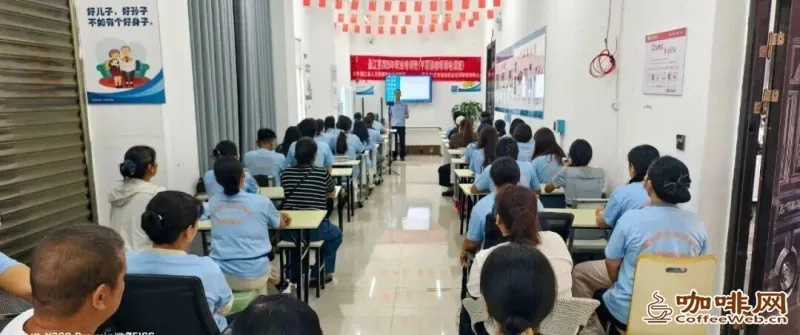
Yunnan’s Dehong Prefecture lies on the coffee golden cultivation belt at 24° north latitude. Dehong’s coffee market keeps warming, coffee-tourism integration advances steadily, viral check-in shops sprout like bamboo shoots, and all kinds of creative drinks emerge endlessly. Behind the sustained heat, a new situation has also appeared — coffee raw materials circulate more widely, adjunct categories grow more mixed, and audiences grow larger, providing new-type drugs a disguise and a breeding ground for concealment and spread. In response, the social-extension workstation of Yunnan’s No. 6 Compulsory Isolation Drug Rehabilitation Center, relying on the local coffee vocational-training platform, integrates quality educational resources and uses the platform’s broad layout and information-hub advantages to expand anti-drug publicity coverage comprehensively and without blind spots, bringing prevention knowledge into every coffee shop and safeguarding the safe, healthy, and orderly development of the characteristic industry.
Scenario embedding:
Moving the anti-drug classroom into the coffee hands-on workshop
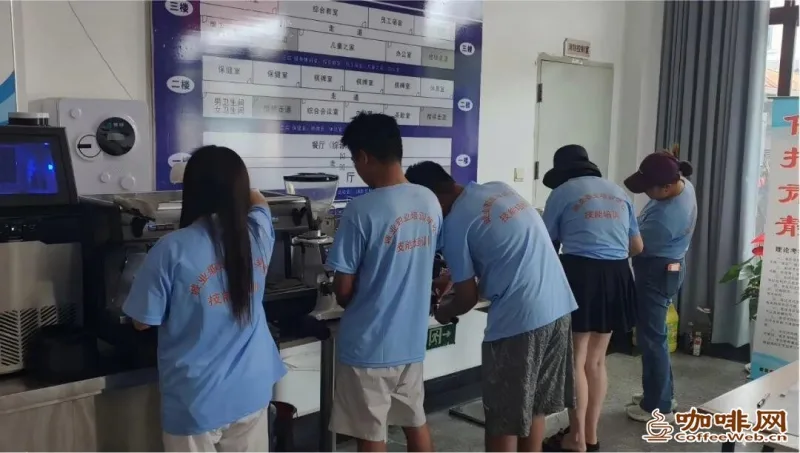
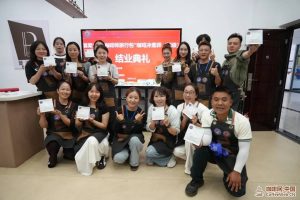
Precisely focused on the characteristics of the coffee-drinks industry, it innovatively launched a fused model of “vocational-skills teaching + scenario-based anti-drug education,” embedding immersive, industry-specific, precise publicity into the dedicated coffee-making training class. Combining real operating procedures, instructors use physical comparison between compliant ingredients and prohibited drug items, appearance identification, and packaging-detail analysis to teach hand-by-hand how to inspect incoming materials and distinguish abnormal items, practically raising front-line workers’ drug-detection sensitivity and on-site handling ability. At the same time, with real cases, they deeply unpack the drug-related risks that may appear in drink mixing, store operation, and customer reception, emphasizing the legal red lines and serious consequences of privately adding prohibited items, assisting others in mixing drug-laced drinks, or hosting others’ drug use — so that practitioners know reverence and fear.
Warning through cases:
Watch the three “undercurrents” the coffee industry easily overlooks
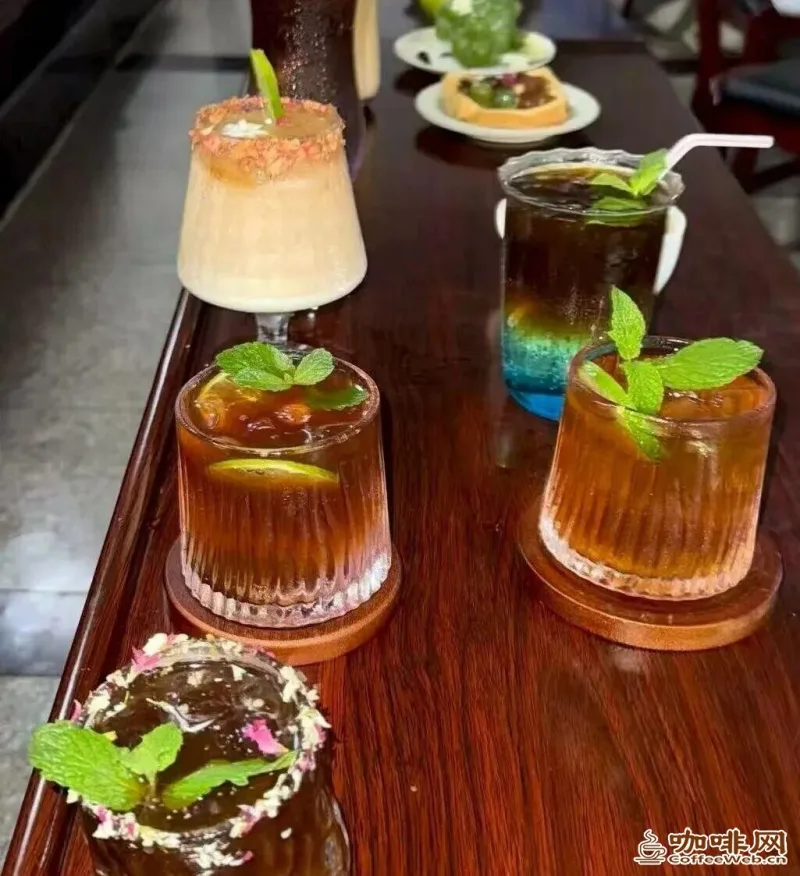
Using risk warnings, it helps practitioners build the professional creed of “proactively learn before duty, able to identify on duty, never touch for life,” tightening the ideological valve at the source. Instructors fold professional knowledge into vivid cases, using three “watch-closely” points to make “drug-identification essentials” crystal clear. Watch raw-material risk closely: coffee powder, flavor syrups, and seasoning powders of unknown origin may be adulterated with controlled psychoactive substances; the procurement step must verify channels and reject “three-no” products. Watch social risk closely: some new-type drugs are disguised as “creative coffee” or “viral trendy drinks” circulating in private or non-formal places; stay alert to drinks offered by strangers and don’t readily try the novel. Watch customer risk closely: in daily operation, note customers’ abnormal behavior (such as adding powder themselves, frequently requesting sealed-space operation), and upon finding suspicious materials or drug-related signs, promptly report to relevant authorities, holding the store’s first line of safety.
Tiered science popularization:
Covering consumers, practitioners, and future practitioners
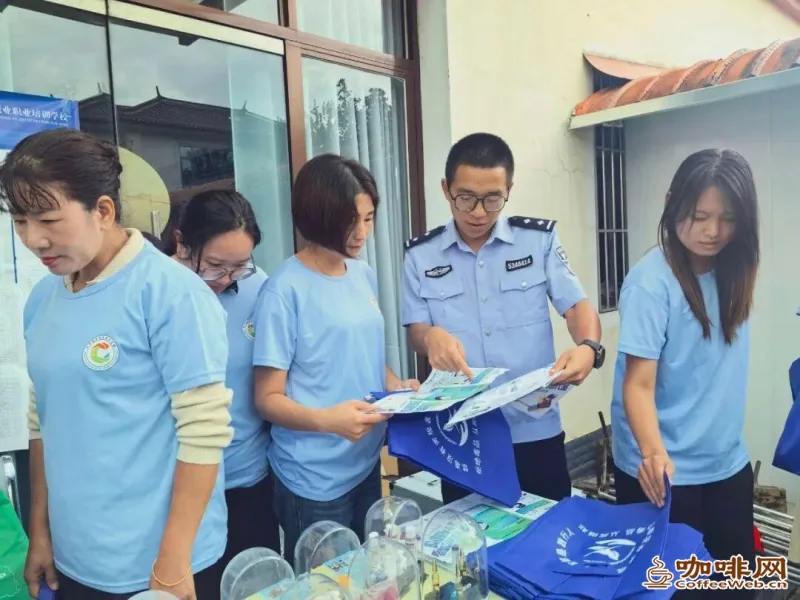
Abandoning the traditional preachy mode and grounding itself in convenient, life-oriented publicity, it uses immersive, scenario-based, localized methods to offer personalized “menu-style” anti-drug education for three audiences — consumers, practitioners, and future practitioners still learning — so that anti-drug ideas take root in the mind and land in practice. It helps consumers learn to refuse unclear coffee or brewed drinks offered in strange places or by strangers, and not buy bagged coffee powder without proper packaging or production information. It helps future practitioners clarify their on-duty prevention responsibilities, master identification skills for disguised drugs, and proactively standardize operating procedures, building an internal industry firewall. It helps practitioners pass what they learn to relatives, friends, and peers, proactively popularizing knowledge in daily work and life, forming a “train one, influence many” radiation effect.
Grounded in the actual development of the local coffee industry, the social-extension workstation of Yunnan’s No. 6 Compulsory Isolation Drug Rehabilitation Center promotes the fused exploration of “coffee skills + anti-drug publicity,” letting coffee practitioners master refined skills while adding a “safety valve” and “bumper” of drug-identification, drug-prevention, and drug-rejection to their careers. This purifies the new-format employment environment, consolidates the micro-foundation of grassroots anti-drug governance, and builds a solid anti-drug defense line for the high-quality development of the local characteristic coffee industry.
(Yunnan Provincial No. 6 Compulsory Isolation Drug Rehabilitation Center)
Reprint Note & Disclaimer
- This article is compiled and edited by coffeeyo.com based on a release from the Yunnan Provincial No. 6 Compulsory Isolation Drug Rehabilitation Center. The materials and images herein are sourced from public channels and the copyright belongs to the original authors. This site reprints them solely for information sharing within the coffee industry and does not represent our stance; all data and views are subject to the original source. We thank the original authors for their work and sharing.
- For matters concerning content authorization, attribution, copyright, or any other issues, please contact us promptly. We will verify and cooperate in handling them without delay. We also welcome coffee-growing regions, brands, and industry media to exchange and contribute articles with us.
- Contact coffeeyo.com — Tel: 400-0000-641 (+86-18288016826) | Email: 405854472@qq.com | Address: Jinghong City, Xishuangbanna, Yunnan / Tieling City, Liaoning
Reprint Notice & Disclaimer
- This article has been edited and compiled by China Coffee Network. The information and images therein come from public sources and the copyright belongs to the original author. This reprint is intended solely for information sharing within the coffee industry and does not represent the views of this website; all data and opinions are subject to the original article. Our thanks to the original author for creating and sharing it.
- For matters concerning content licensing, attribution, copyright or otherwise, please contact us promptly and we will verify and cooperate in handling them as soon as possible. We also welcome coffee origins, brands and industry media to exchange ideas and contribute articles.
- Contact China Coffee Network: Tel 400-0000-641 (+86-18288016826) | Email 405854472@qq.com | Address: Jinghong, Xishuangbanna, Yunnan Province / Tieling, Liaoning Province
Related Reading
 A ‘Travel Pack’ Reveals Another Possibility for Pu’er Baristas
 Cangyuan: Yanshuai Town Delivers ‘Tech Nourishment’ to Coffee Fields
- 9.9-Yuan Coffee but a 50,000-Yuan Bike: Jiang Nanchun Fears Not Price but Lack of Soul
- After Just 19 Months in Coffee, He Was Called to Save Heineken
 Guangzhou Haizhu Uses Coffee to Engage Delivery Riders in Party Education
- Laishan Police Safeguard the Coffee Festival with Dedicated Patrols


 Liaoning ICP Security No. 21122402000217