
Brief (coffeeyo.com): Before the semester even started, a student messaged me: the Tongji Sanhaowu Cafe might open late because of nearby construction. A few days later came a photo — the cafe was gone, the building demolished. For two decades it was our “Café de Flore.”
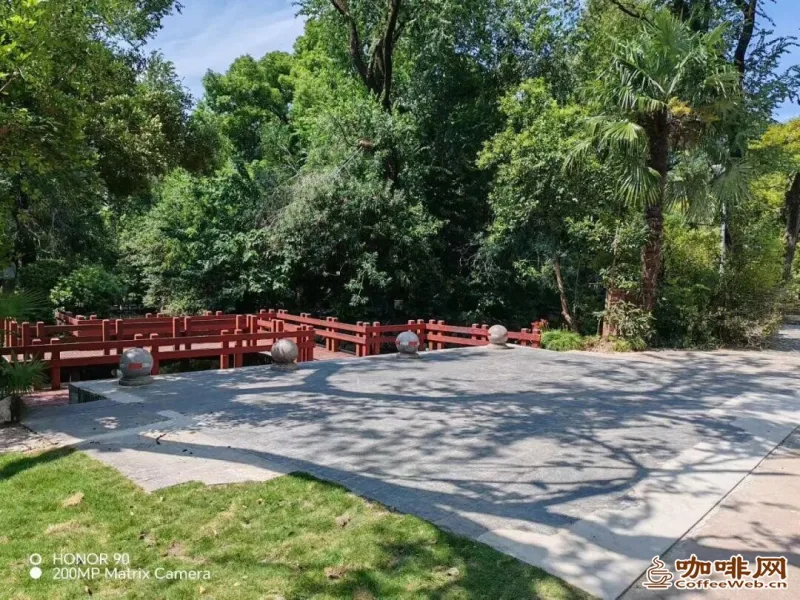
Before the semester had even begun, a student who often went to the Tongji Sanhaowu Cafe texted me: because the adjacent building was still under renovation, the cafe might open a few days late, and we wouldn’t be able to go for coffee right after school started. But a few days later, the student suddenly sent a picture — Sanhaowu Cafe was gone, the building demolished.
Seeing only a bare stretch of concrete where the cafe once stood, I was stunned. I had always thought Sanhaowu Cafe was the most beautifully sited cafe at Tongji, very modern in design, with floor-to-ceiling glass on two walls. From one side you could see the lush green trees of Sanhaowu — reportedly designed by Mr. Chen Congzhou — the winding red wooden bridge, and the quiet water flowing beneath; from the other, the students in front of the international-students building, of every skin color and language. And the cafe’s women servers were all very friendly; over the years we’d become old friends. Now it has suddenly closed, and we may rarely see them again. I don’t know why, but I still feel a pang of regret.
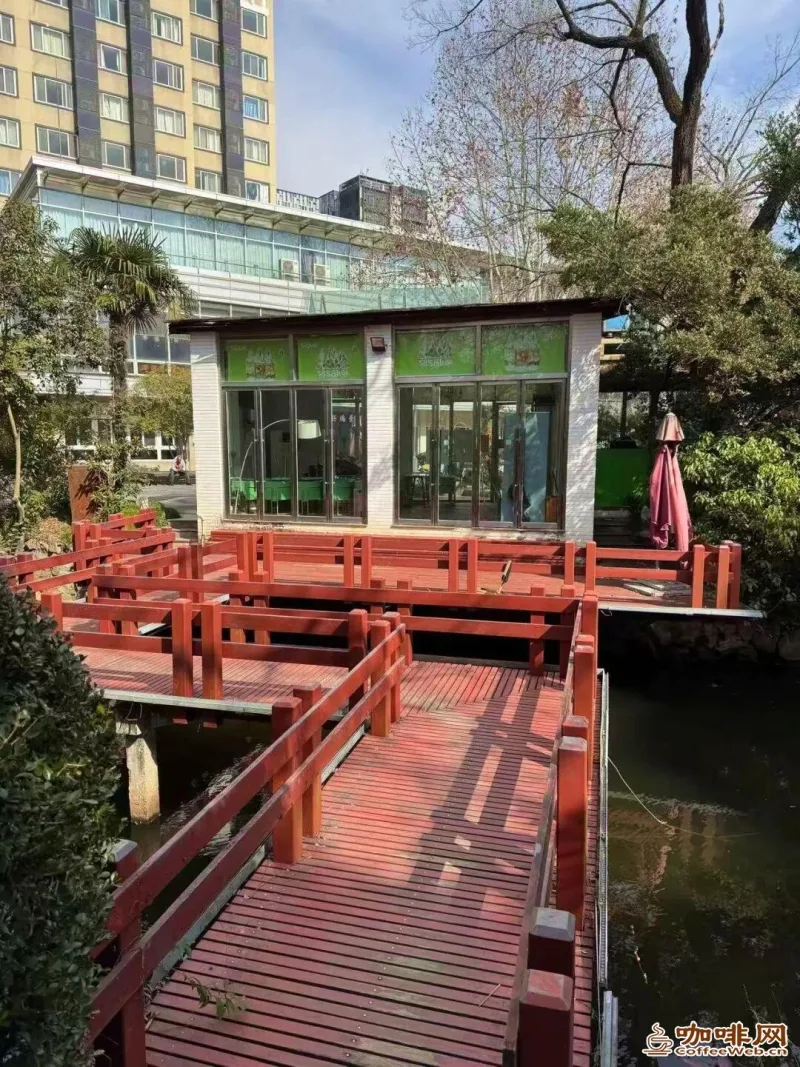
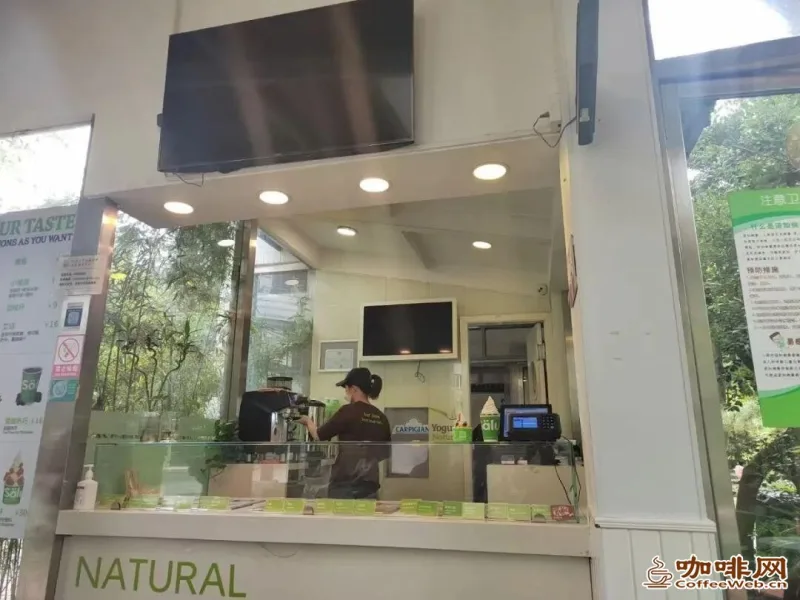
The first cup of coffee I had at Tongji was here. Nearly twenty years ago, when I transferred from Jiaotong University to Tongji, my interest in French philosophy quickly led me to know Professor Gao Xuan yang, who studies it. After one class I ran into him, and he insisted on treating me to a coffee, bringing me to Sanhaowu Cafe for a strong espresso. Yet even counting from then, this unassuming cafe had already existed at Tongji for twenty years. After that I often invited people here — old Jiaotong students nostalgic for me, colleagues from local universities, friends from out of town or even abroad. But more often I treated the place as my office at Tongji: the humanities school’s space was tight, and after I stepped down as department head I no longer had a private office, only a tiny one shared with a colleague. So whether talking things over with students, reading French philosophy with graduate students, or running small workshops with friends, I loved coming here. Each time, the servers were especially helpful — while making us good coffee, they’d push tables together or take photos, leaving us many beautiful memories.
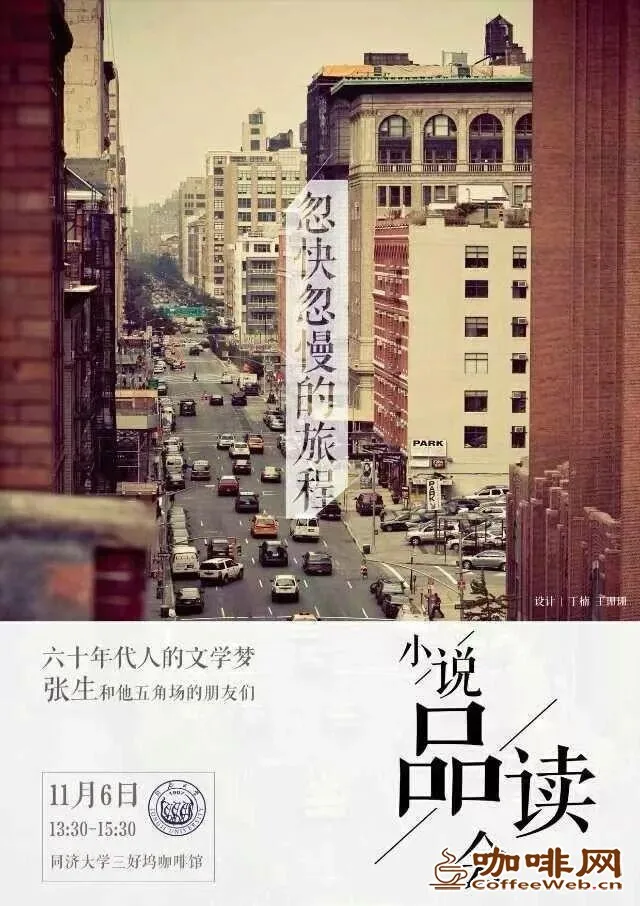
I remember holding a friend’s poetry reading here; in 2014, when my novel “A Journey Now Fast, Now Slow” was published, we even held its launch here. Quite a few publisher and newspaper friends came; they all felt this might be the most beautiful cafe among Shanghai’s universities, and even across all of Shanghai, few cafes had such a view.

Just as the Café de Flore mattered to Sartre and his friends, I think Sanhaowu Cafe mattered to me, my friends, and my students — it was our Café de Flore. Without Sanhaowu Cafe, our campus life would have lost much joy, and my writing and study of French theory would have lost much inspiration. Those Tongji colleagues from other departments who, like me, came often for a cup, and the international students from years ago, probably all remember what Sanhaowu Cafe left them.
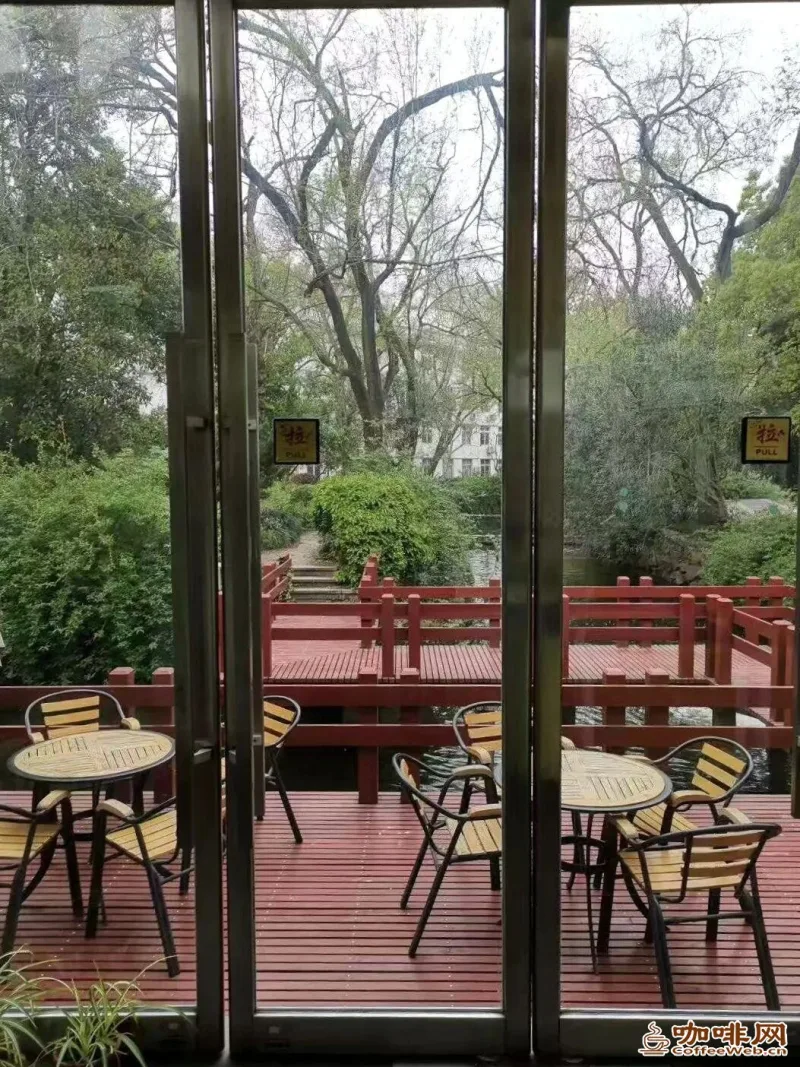
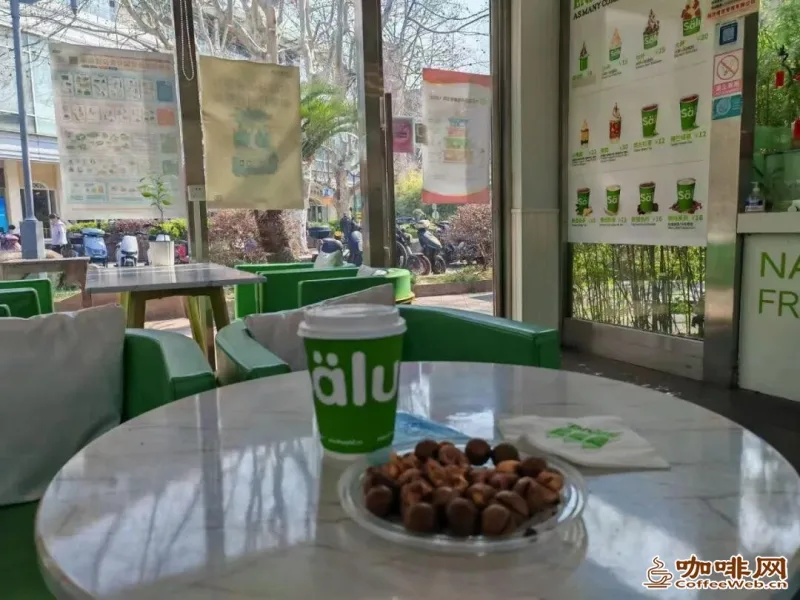
We grow attached to a place not only for its beautiful scenery but also for its warm human feeling — after all, we are creatures of emotion and sensation. Over the years I watched the counter move from the middle to one side, the chairs become sofas, the sofas change from red to green, the walls from white to green — yet the coffee aroma and the servers’ friendliness and warmth never changed. Now this beautiful cafe has not only closed but even its old building is gone, and no one knows where they went, which always brings a little regret and nostalgia.
These years, compared with before, the university has changed a great deal. The campus gates that once were freely passable now require reservation and ID scanning; lectures and classes once open to the public now keep people at a distance; the free exchange between teachers and students once taken for granted now comes hesitantly, each side wary that a careless word becomes a sensitive term.
Today’s university seems to be becoming the old-style university again, and ever more like a factory that produces industrial goods strictly by procedure — beyond classrooms, libraries, labs, sports fields or gyms, the useful spaces for cultivating students and faculty research, it no longer wants any “useless” spaces. Teachers and students alike grow ever busier — teachers rushing to write papers and apply for grants, students scrambling for GPA and activities — so that no one has any leisure to think or exchange. Yet the leisure of seemingly useless spaces is not only the soil of thought and art but also the condition for scientific invention. If without the Café de Flore there would be no Sartrean existentialism, then equally, without the rest under the apple tree there would be no Newton’s great discovery, and without the violin’s lingering melody there would be no Einstein’s great contribution.
When a street cafe closes, regulars always sigh and feel reluctant. For a “sealed space” like a university, the disappearance of a cafe that existed for at least twenty years feels even more forlorn, with indescribable sentiment. I once had a WeChat group with several PhD students called “Doctor Coffee,” where we often discussed academic questions and shared articles. When they learned Sanhaowu Cafe had vanished and recalled the days of reading, chatting, even daydreaming together inside, they were quite sad. I thought about it and renamed the group “Sanhaowu Café” — so that afterward they could at least continue those interesting and useless conversations in this virtual Sanhaowu Cafe, and the life of Sanhaowu Cafe could be extended a while longer.
Written at Wujiao Square, September 3; revised at Wujiao Square, September 13.
Reprint Note & Disclaimer
- This article is compiled and edited by coffeeyo.com. The materials and images herein are sourced from public channels and the copyright belongs to the original authors. This site reprints them solely for information sharing within the coffee industry and does not represent our stance; all data and views are subject to the original source. We thank the original authors for their work and sharing.
- For matters concerning content authorization, attribution, copyright, or any other issues, please contact us promptly. We will verify and cooperate in handling them without delay. We also welcome coffee-growing regions, brands, and industry media to exchange and contribute articles with us.
- Contact coffeeyo.com — Tel: 400-0000-641 (+86-18288016826) | Email: 405854472@qq.com | Address: Jinghong City, Xishuangbanna, Yunnan / Tieling City, Liaoning
Reprint Notice & Disclaimer
- This article has been edited and compiled by China Coffee Network. The information and images therein come from public sources and the copyright belongs to the original author. This reprint is intended solely for information sharing within the coffee industry and does not represent the views of this website; all data and opinions are subject to the original article. Our thanks to the original author for creating and sharing it.
- For matters concerning content licensing, attribution, copyright or otherwise, please contact us promptly and we will verify and cooperate in handling them as soon as possible. We also welcome coffee origins, brands and industry media to exchange ideas and contribute articles.
- Contact China Coffee Network: Tel 400-0000-641 (+86-18288016826) | Email 405854472@qq.com | Address: Jinghong, Xishuangbanna, Yunnan Province / Tieling, Liaoning Province
Related Reading
 How ‘Sea-Flavored’ Coffee Blooms Across Dongtou
- Health Guide: How to Enjoy Your Coffee the Healthy Way
 Study: Regular Coffee and Tea May Lower Dementia Risk, but More Is Not Better
 Frontline Story: A ‘Mobile City Coffee Bar’ Arrives by the Grand Canal
 Yantai’s Wind Tastes of Coffee
 In Zhenyuan, a Cup of Coffee and a Waiting Train





 Liaoning ICP Security No. 21122402000217