
At a Glance (China Coffee Network): Many years later, I will still remember Kongqing, remember No. 439 Lushan South Road, remember a colorful staircase, the dim light, and some of the people I once met there. The fi…
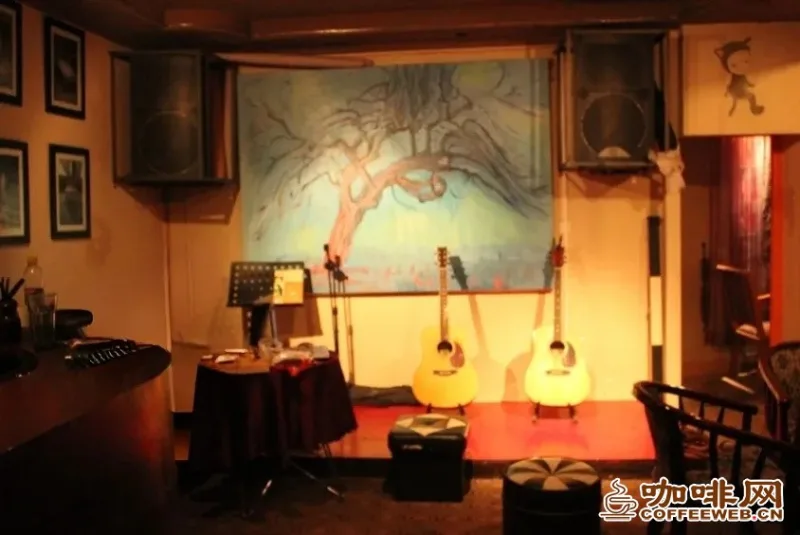
Many years later, I will still remember Kongqing, remember No. 439 Lushan South Road, remember a colorful staircase, the dim light, and some of the people I once met there.
The first time I walked into Kongqing was in the autumn of 2012. Before that, I had passed its door many times—taking the bus to the south campus of the Normal University or to Zhongnan, I would always go by it.
Lushan South Road is long; shops and pedestrians spread along the street, and Kongqing sat in an inconspicuous corner by the roadside.
The door I truly pushed open was in search of a venue for our radio station’s listener meet-up. Xiaoxiong said she knew the owner of Kongqing and we could go take a look.
And so, after passing by countless times, I walked into Kongqing.
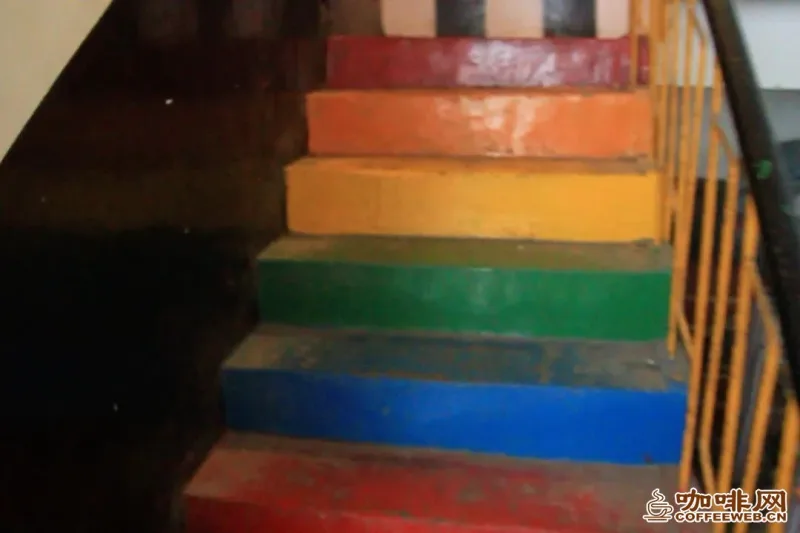
What I remembered first was the staircase—colorful steps, paintings on the wall, light falling from upstairs. Later, every time I went, I would pause for a while at the foot of the stairs.
Tang Jian, the owner of Kongqing, studied fine art and plays guitar. At our first meeting, I had even printed out a few A4 planning proposals, wearing a shirt, earnest to the point of being a little stiff.
We talked about events, about university, about life, about the things we had gone through along the way.
The sky slowly darkened. Streetlights lit up outside the window, cars passed along Lushan South Road, the light inside was dim, and people sat together saying things without boundaries.
Sometimes, a place is remembered with just one such evening.
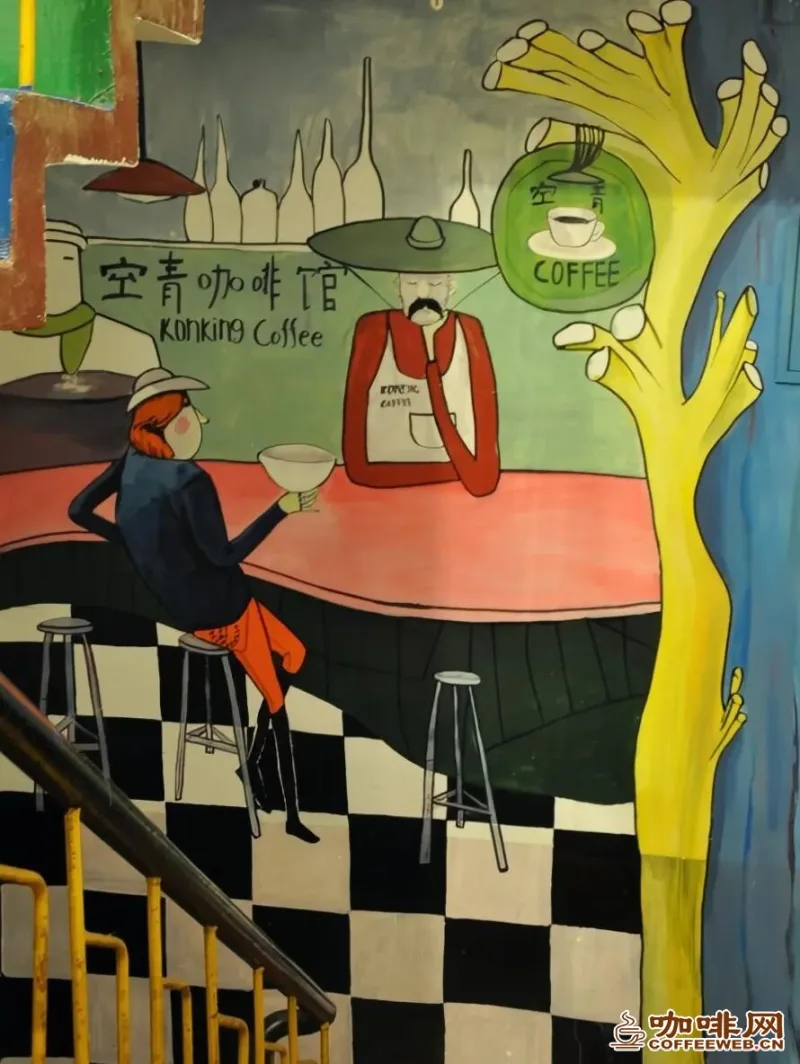
On October 27, 2012, the club’s first offline event was held at Kongqing as scheduled. Later still, the café’s large private room became our stronghold—a wooden sign hung on the door, photos were pasted on the wall, and there were paintings we had left behind.
Kongqing was sometimes very quiet, sometimes packed with people. It had no real waiters; those who came to help were mostly the owner’s friends. After school, after work, people came here to brew coffee, chat, play the guitar, and spend an evening with a group of people they knew or had just met.
As time went on, many people stayed.
Xiaoxiong told me that for a time Kongqing felt a lot like her home; probably many people, like her, had walked alone in their own lives for a long time before arriving at Kongqing.
At Kongqing, I gradually came to know Tiankai, Yueyue, Xiaoxuanzi… That is how encounters happened—push open a door, sit down, drink something, say a few words. Strangers stayed in the memory.
Once, I was writing in a corner, and as I wrote, I suddenly thought of a question I had never asked: why is it called Kongqing? The owner asked me to guess; I guessed many answers, but in the end he said, Kongqing is a color.
So that was all. Many years later, when I think back, Kongqing is hard to be just a color anymore—it is a stretch of lamplight at No. 439 Lushan South Road, a door pushed open at midnight, the names of a group of people.
It is also a corner we once shared during a certain stretch of days.
Back then, every time I left Kongqing, the street was lit, Yuelu Mountain was in the distance, pedestrians passed by, and the city seemed a little more familiar.
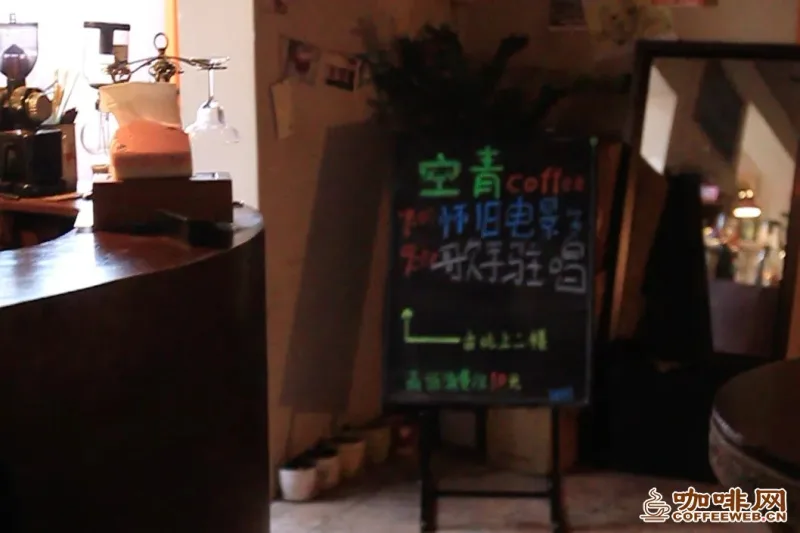
Later, Kongqing changed hands; the old sign was taken down, and a new café opened there.
But I never went back in, and that group of people who had originally gathered because of Kongqing gradually lost their common place to go. At first we would occasionally mention someone, ask about someone; later contact grew rarer, and still later, each went to a different place.
Meetings between people sometimes need a concrete “place.” While Kongqing was still there, one always felt we could meet again tomorrow. Once it changed its name, many relationships stopped there too.
Later still, I left Lushan South as well.
Over these years I have been to many cities, met many people, and walked into many cafés. Occasionally, encountering dim light, hearing someone play the guitar, or seeing on some street a café leading up to a second floor, I still think of Kongqing.
I remember those evenings sitting together, remember a group of originally strangers who, because of one café, came to have each other’s names. And then, because that café disappeared, slowly walked back into their own lives.
Lushan South keeps moving forward; summers pass year after year, and at the foot of Yuelu Mountain, new young people always walk past.
Reprint Notice & Disclaimer
- This article has been edited and compiled by China Coffee Network. The information and images therein come from public sources and the copyright belongs to the original author. This reprint is intended solely for information sharing within the coffee industry and does not represent the views of this website; all data and opinions are subject to the original article. Our thanks to the original author for creating and sharing it.
- For matters concerning content licensing, attribution, copyright or otherwise, please contact us promptly and we will verify and cooperate in handling them as soon as possible. We also welcome coffee origins, brands and industry media to exchange ideas and contribute articles.
- Contact China Coffee Network: Tel 400-0000-641 (+86-18288016826) | Email 405854472@qq.com | Address: Jinghong, Xishuangbanna, Yunnan Province / Tieling, Liaoning Province
Related Reading
 How ‘Sea-Flavored’ Coffee Blooms Across Dongtou
- Health Guide: How to Enjoy Your Coffee the Healthy Way
 Study: Regular Coffee and Tea May Lower Dementia Risk, but More Is Not Better
 Frontline Story: A ‘Mobile City Coffee Bar’ Arrives by the Grand Canal
 Yantai’s Wind Tastes of Coffee
 In Zhenyuan, a Cup of Coffee and a Waiting Train




 Liaoning ICP Security No. 21122402000217