
At a Glance (China Coffee Network): A hidden ordering hack—”full ice, no water, swap the domed lid”—once born on social platforms, has been adopted into the official menus of multiple chain coffee brands and even spawned dedicated new products. Beyond a richer flavor, it reveals how consumers and brands now co-create value through personalization.
(Source: Economic Daily WeChat account) Recently, a high-frequency “secret code” has appeared in coffee delivery notes: “full ice, no water, swap the domed lid.” This hidden menu, originally popular on social platforms and “invented” by netizens, has now been incorporated into the official ordering pages of multiple chain coffee brands, some even launching dedicated new products.
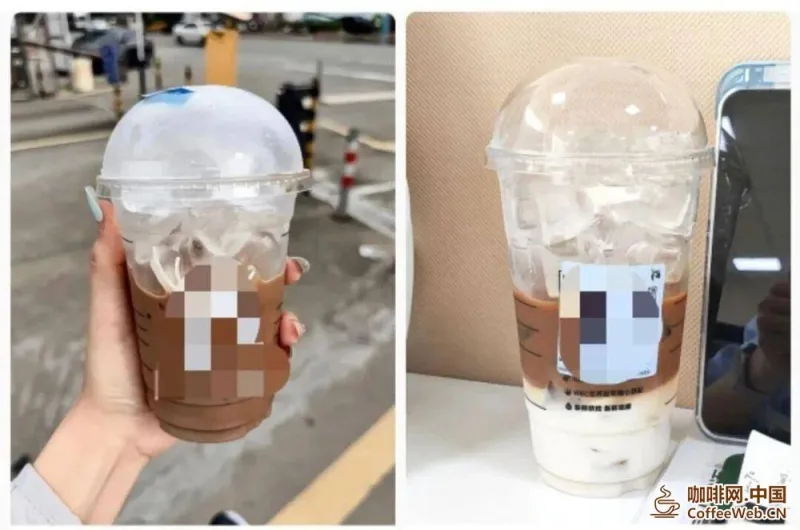
Keep in mind, chain coffee was once mocked by netizens for “too much ice.” Now the wind has turned: consumers not only don’t mind the ice, they want “full ice.” Why did consumers change?
The most direct reason: removing the tap water from the recipe and replacing it with a full cup of ice reduces extra dilution, so the coffee tastes richer and fuller on entry; as the ice slowly melts, the drink reveals different layers of texture. This fine-tuned control of mouthfeel has become a tip-of-the-tongue romance that only “old hands” can appreciate.
At a deeper level, this way of drinking fits consumers’ psychological need for a “sense of control.” Coffee is a highly standardized food-and-beverage category; unified recipes and processes ensure stable quality, but consumers are unwilling to stay at the standard answer—they want to create their own experience within standardized products. The change may be limited, yet it satisfies the need for individual expression and autonomous choice.
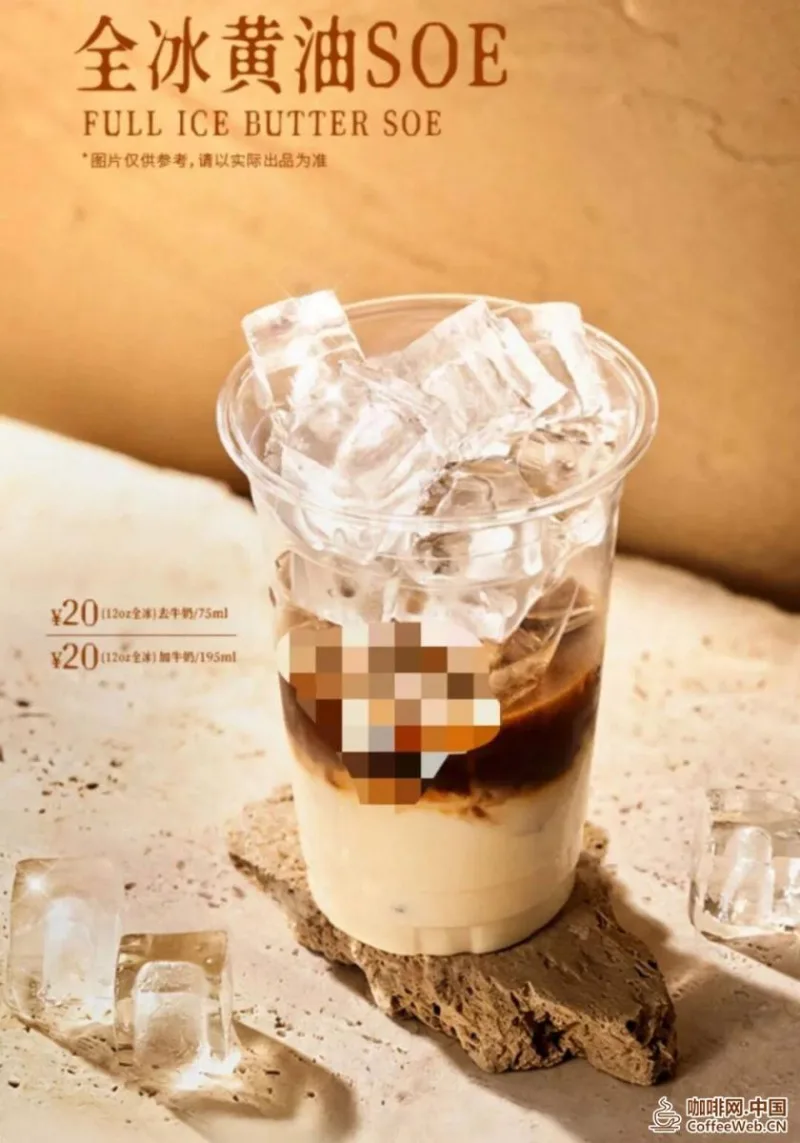
So why did the brands change accordingly?
The chain food-and-beverage industry pursues extreme efficiency and cost control, which at the store level requires baristas to produce strictly by standard process. All kinds of varied delivery notes tend to become “efficiency killers” for stores. If employees are allowed to arbitrarily swap lids or add/remove ingredients per notes, it not only increases operational complexity but also affects material management and cost accounting.
Yet bringing this “folk wisdom,” originally living in the notes field and on social platforms, into the formal menu is a worthwhile business. There is a concept in economics called “value co-creation”—firms no longer design products unilaterally but let consumers participate in creating value. Compared with time- and labor-intensive new-product R&D, the ways of drinking consumers explore on their own are themselves real market research. When a hidden way of drinking is repeatedly imitated and spread, the firm then upgrades it into an official product, completing a new-product iteration at lower cost.

In this process, consumers’ psychology also reversed. In traditional perception, spending a dozen yuan on a coffee that is “half water” easily triggers consumers’ resistance of “being schemed by the merchant.” But when the product becomes “full ice, no water,” consumers no longer feel they are paying for a diluted drink, but buying a kind of group identity. The personalized way of drinking that once depended on luck in the notes and the store’s understanding is now formally claimed by the brand; this psychological satisfaction of being understood and respected far exceeds the physical value of the product itself.
The popularity of “full ice, no water” is no isolated case. From HEYTEA turning popular combinations from its hidden menu into bottled products, to Yang Guofu Malatang pushing consumers’ self-created sesame-paste pairings to the front; from the “ice-cup challenge” sweeping the internet at convenience stores, to McDonald’s handing consumers the choice of whether to keep the pickles—more and more business innovations do not start with the enterprise but germinate from consumers’ daily practice.
The logic of industrialized, standardized, and scaled production is increasingly accepting the reverse reconstruction of personalization. When each personalized order in front of a screen begins to turn into data that reverse-calibrates the brand’s production line and supply chain, the two-way co-creation between brand and individual accomplishes the product iteration of modern business.
Next time you drink coffee, try a few wonderful attempts of your own. Don’t underestimate these unrestrained flavors—they may be quietly rewriting the evolution of coffee. After all, who can guarantee that the next popular hit sweeping the streets is not the personal favorite you dreamed up at this moment?
Reprint Notice & Disclaimer: This article is reprinted from Economic Daily, reporter Cui Hao, published June 28, 2026, page 9, originally titled “Want Your Personal Favorite to Become a Hit? Do This.” All rights belong to the original publisher. If you believe any content infringes your rights, please contact us for removal.
Related Reading
- Hong Kong’s Dyee Coffee Lands in Qianhai, Building a Specialty Pour-Over Outpost
 Ken Yue Coffee Opens Egg-Tart Pop-Up in Hangzhou: Sweet Craft, Reinvented Classics
 World Cup Enters the Breakfast Slot: Can Coffee-Tea Brands Turn Traffic into Orders?
- ICE Agricultural Futures Mostly Rise at Close; Coffee Futures Up 3.28%
- ‘Sleep Cafés’ Become a New Favorite Among Seoul Office Workers
 Vibrant Yunnan: Why Lijiang, Which Grows No Coffee, Raises Yunnan Coffee’s ‘Traffic Cup’



 Liaoning ICP Security No. 21122402000217