
Read more (CoffeeYo coffeeyo.com): From the banks of the Huangpu River to the foothills of the Gaoligong Mountains, the partnership between Shanghai’s Minhang district and Baoshan in Yunnan has entered its 30th year. Over three decades Minhang has contributed 1.6 billion yuan in fiscal aid, funded 732 projects, mobilised 118 million yuan in social support and trained more than 50,000 people. Visitors order a cup of Baoshan arabica at a coffee estate while livestreamers in the mountains take nationwide orders for potted dendrobium — the model has shifted from one-way aid to two-way benefit across the board.
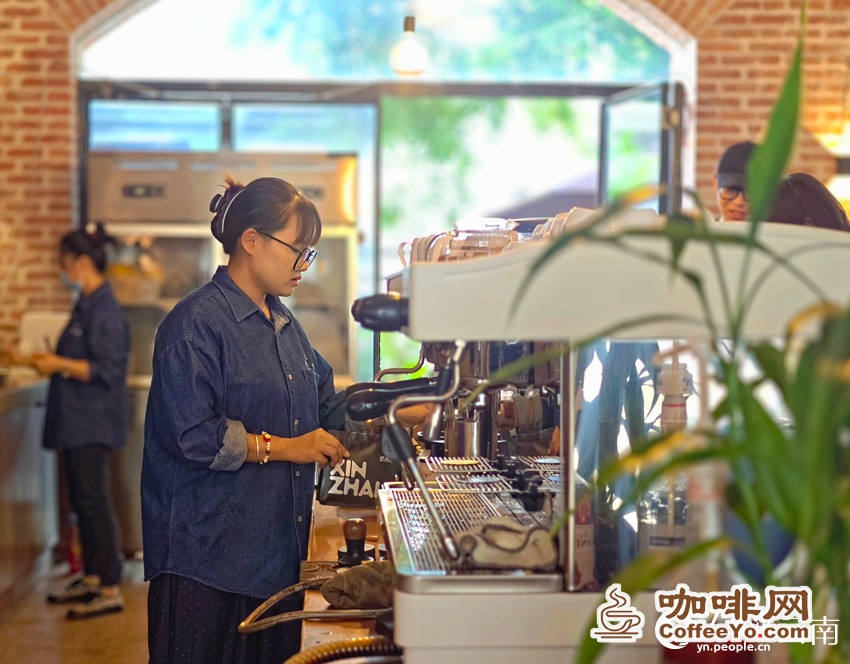
In a coffee estate, visitors order a cup of Baoshan arabica and capture the leisure of an autumn afternoon. In a mountain livestream studio, a host holds up a bright green potted dendrobium and promotes local produce as orders arrive from across the country. In an industrial park, standard factory buildings rise as enterprises relocated from the east move in and start production.
In 1996 the central government paired Shanghai with Yunnan for assistance; in 2016 Minhang district and Baoshan city formally became partners. Today the Shanghai–Yunnan collaboration is in its 30th year. Minhang has invested 1.6 billion yuan of fiscal aid in Baoshan, built 732 projects of all kinds, mobilised 118 million yuan in social assistance, and delivered tiered training reaching more than 50,000 people.
Mechanism first: a full partnership framework
At the outset both sides focused on the most urgent, basic needs of local people. At Olangzhai Primary School in Pingda township, Longling county, a three-storey teaching building of 990 square metres went up, complete with laboratories and landscaping. The sound of reading now carries hope out of the mountains.
Since 2021, ten schools and five hospitals in Minhang have established one-to-one or one-to-many partnerships with schools and medical institutions across Baoshan’s one district and three counties. At Changning County People’s Hospital, 41 specialists dispatched by Fudan University Affiliated Minhang Hospital have filled multiple county-level technical gaps — ERCP, peritoneal dialysis catheter placement, percutaneous nephrolithotomy, total hip replacement — improving local care and bringing new hope to severe cases.
Baoshan has repeatedly made east-west collaboration a dedicated agenda item, with leaders from both sides exchanging visits, holding joint meetings and planning development together. Eight subdistricts and state-owned enterprises in Minhang are now paired with 17 townships in Baoshan, building an all-round framework spanning science and technology, agriculture, education, health, human resources, culture and tourism.
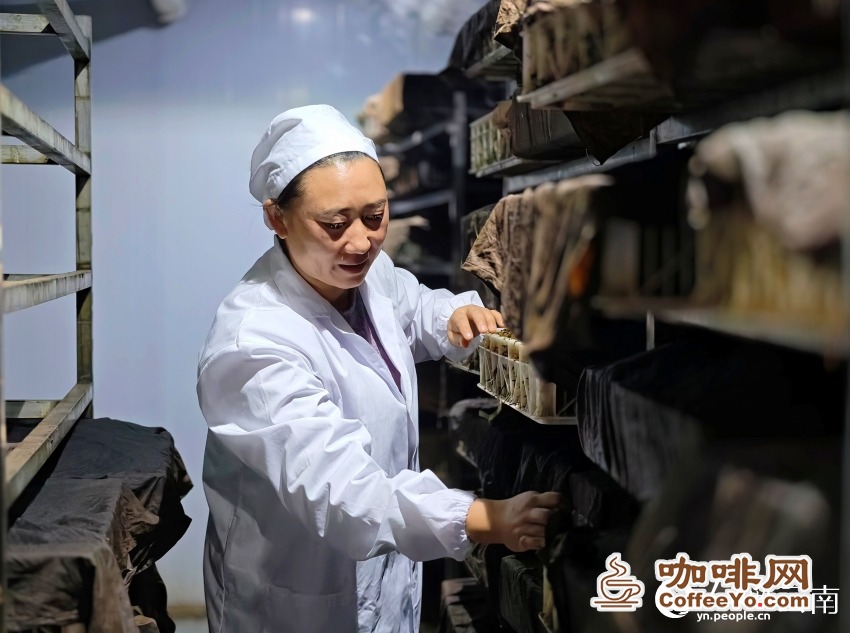
The core of a durable partnership is turning “blood transfusion” into “blood-making”. Baoshan has enabled 26,600 rural workers to transfer into employment, 1,555 of them finding stable jobs in Shanghai. Human resources departments on both sides have run more than 400 training sessions reaching nearly 15,000 people, and built regional labour brands — Baoshan barista, Changning tea master, Longling dendrobium craftsperson — turning manual labourers into skilled earners.
At the rural e-commerce livestream base in Hengshan village, Longshan town, Longling county, hosts explain dendrobium bonsai products to the camera while staff sort, pack and load outside — the whole process running smoothly.
In 2025, using 9 million yuan of Shanghai–Yunnan funds, Longling built an integrated production, sales and research demonstration project for the dendrobium industry in Hengshan village, including a new 4,000-square-metre dendrobium flower forcing base. Run under a “party branch + cooperative + company + farmer” model, it adds 350,000 yuan a year to the village collective economy and provides local jobs for 1,166 people from 365 households.
“Shanghai–Yunnan funding not only helped us build a standardised production base, it also helped us reach the Shanghai market, so Longling dendrobium could enter Shanghai’s flower consumption market,” said Jiang Defan, a returned entrepreneur from Pingda township. Starting with livestream sales of dendrobium four years ago, he has built a “1 headquarters + N township livestream centres” network listing more than 120 farm products and over 40 dendrobium flower varieties. In 2025 his company’s sales passed 50 million yuan, while training a cohort of local livestream talent.
Industry as the engine: upgrading specialty clusters
In autumn, walking into Xinzhai village, Bawan town, Longyang district, the air carries the rich smell of roasting coffee. Visitors settle into a retro-industrial café to taste coffee and photograph the countryside. Bawan sits in the core growing area of “Baoshan arabica”. “But for a long time, weak infrastructure and a low level of industrial development meant high-quality coffee resources were never fully used,” said Xie Xianwen, general manager of Baoshan Xinzhai Coffee Co.
In 2024, Longyang district pooled 2.9 million yuan of Shanghai–Yunnan funds for the Xinzhai Coffee Culture Experience Park, converting two idle former township government buildings into 30 coffee-themed homestays and adding a 1,500-square-metre ecological car park. As the offering improved, daily visitors to Xinzhai coffee estate grew from a handful to over 300, reaching more than 210,000 visits last year and over 12 million yuan in tourism revenue, with more than 20 villagers employed at their doorstep.
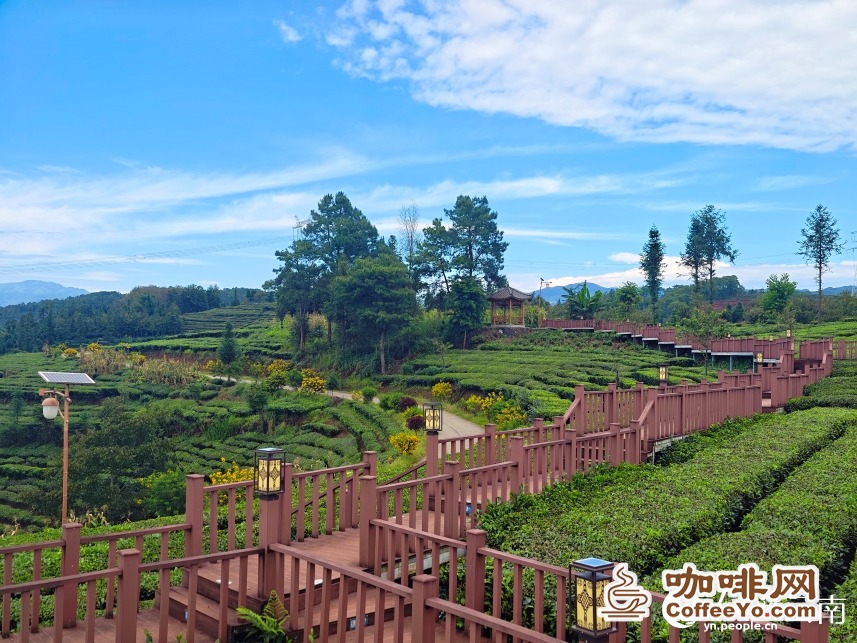
From variety improvement and processing upgrades to brand building and market expansion, Shanghai–Yunnan funds have targeted every key link of the coffee chain. In 2025 Baoshan’s specialty-grade coffee rate exceeded 75%, deep processing exceeded 90%, and total industry output value passed 22.328 billion yuan.
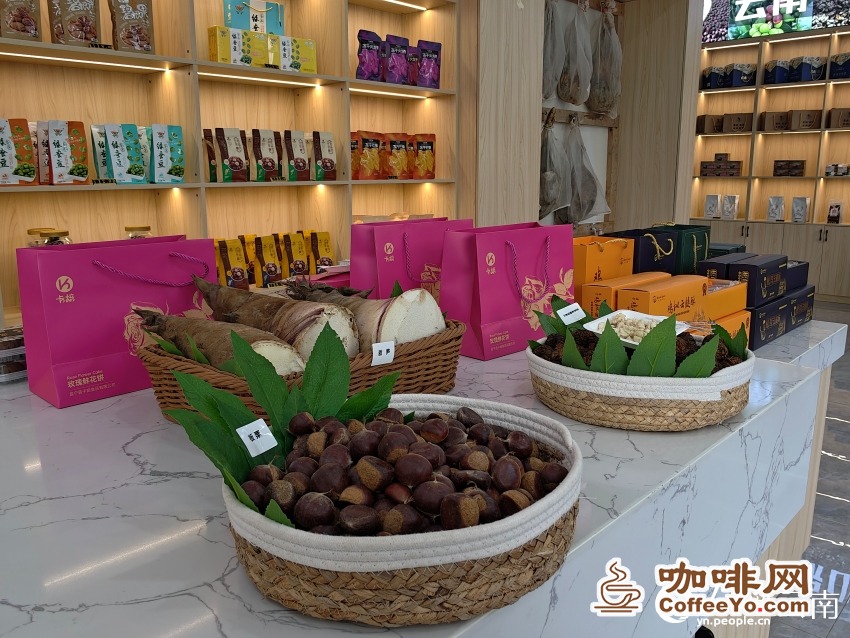
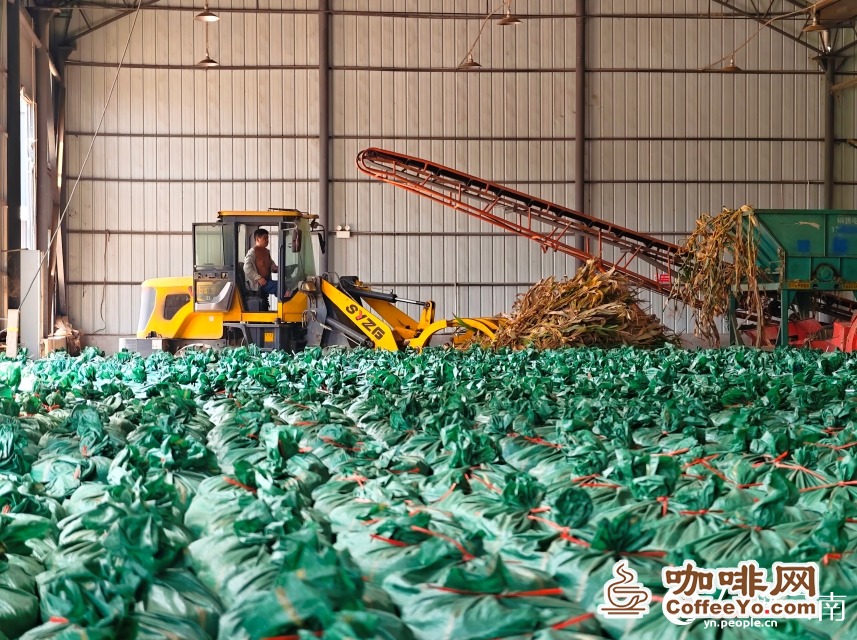
Coffee is not the only beneficiary. Baoshan focuses on four specialty clusters — Longyang coffee, Shidian vegetables, Longling dendrobium and Changning tea — and commits no less than 65% of its Yunnan assistance funds to industry each year, moving collaboration from product aid to deep, full-chain empowerment.
Changning is known as a “thousand-year tea town”; selenium-rich soils in Wengdu town produce quality tea that is the core income of 3,500 tea-farming households. “The tea industry long faced the trap of big resources, small industry, low added value,” said Zhou Zengzhi, general manager of Changning Xia’er Tea Products. Since Minhang paired with Changning in 2017, more than 66 million yuan of Shanghai–Yunnan funding has gone into the tea industry. In 2025 Changning’s tea industry output reached 7.334 billion yuan, and the “Changning black tea” brand value rose to 8.569 billion yuan.
Source: People’s Daily Online (Yunnan) — Mountains and Seas Are Not Far: Three Decades of Partnership Renew Western Yunnan
This article was compiled and edited by CoffeeYo coffeeyo.com. It is shared for coffee industry information purposes only and does not represent the views of this site; all data and opinions remain those of the original source. Copyright belongs to the original publisher and author.
 Liaoning ICP Security No. 21122402000217