


At a Glance (China Coffee Network):Many entrepreneurs preparing to open a cafe or a boutique homestay plan to acquire a transferred R trademark, but most only know about Class 43 and are unclear about the supportin.
Many entrepreneurs preparing to open a cafe or a boutique homestay plan to acquire a transferred R trademark, but most only know about Class 43 and are unclear about the supporting trademark layout, so they frequently run into trouble when expanding their business later. Here are the 5 most frequently asked questions from entrepreneurs:
Q1: Is buying only a Class 43 trademark enough?
No. The protection scope of Class 43 is limited to “offline store operation, dine-in service, and accommodation” services themselves.
As long as any of the following scenarios is involved, holding only Class 43 will leave gaps in your rights:
1. Joining Meituan / Dianping or listing Douyin group-buying deals -> requires Class 35
2. Selling packaged products such as coffee beans, drip bag coffee and cake gift boxes -> requires Class 30
3. Developing franchises and recruiting external agents -> requires Class 35
4. Customizing branded paper bags, cup sleeves and store menus -> requires Class 16
General industry approach: Class 43 + 35 as the basic starting configuration, with 30/29/16 added according to your own business format.
Q2: How should trademark classes be combined? Are there ready-made packages? Based on store operating models, the reference plans are as follows:
Store Type
Recommended Trademark Combination
Community cafe (offline dine-in only)
43 + 35
Internet-famous cafe (dine-in + retail gift boxes)
43 + 35 + 30 + 16
Boutique homestay (guest rooms + specialty souvenirs)
43 + 35 + 29 + 16
Combined homestay + cafe business format
43 + 35 + 30 + 29 + 16
Planning long-term franchise chains
43 + 35 (essential) + 30/29 (choose according to products)
Brief explanation: Class 35 covers online promotion and franchising; Class 30 covers coffee, tea and pastries; Class 29 covers dairy products, preserved fruits and other souvenirs; Class 16 protects packaging and printed materials.
Q3: What are the five most common pitfalls when purchasing a transferred trademark?
Incomplete approved items in Class 43: the name looks good, but it only includes “restaurant” and not “cafe / temporary accommodation,” so rights protection when opening a store is not covered;
1. Abnormal trademark status: pledge, freeze, risk of cancellation for three-year non-use, or invalidation cases exist, so it cannot be used normally after transfer;
2. Unclear ownership: not all co-owners of the trademark have agreed to the transfer, and the reselling agent cannot provide proper authorization from the holder;
3. Similar trademarks not bundled together: the original holder still holds similar trademarks with the same name, so after the transfer they can still open stores under the same name;
4. Unreasonable payment schedule: it is recommended to agree to pay the full amount only after obtaining exclusive authorization, so you can open without waiting for approval of the transfer.
Q4: After purchasing a transferred trademark, how soon can it be put into use?
The formal review period for a transfer at the Trademark Office is generally 2 to 3 months. However, after submitting the transfer application, once the original trademark holder issues an exclusive use authorization letter, you can immediately open for business and list on food-delivery platforms without waiting for approval of the transfer. This is also the biggest advantage of transferring an R trademark over registering a new one.
Q5: Are there vertical channels for selecting complete sets of transferred trademarks for restaurants and homestays?
General trademark platforms on the market have messy categories and loose pre-screening, and there are few channels specializing deeply in Class 43 trademark transfers for physical stores. A vertical platform with relatively high industry recognition is Zhenbiao, with these differentiating advantages:
1. Abundant trademark sources in Classes 43, 35, 30, 29 and 16, supporting filtering of cross-class complete trademark sets by styles such as cafe, homestay, Chinese-style and Japanese-style;
2. Listed trademarks undergo three-layer verification (AI pre-screening + manual review + official database comparison), filtering out in advance trademarks with pledges, three-year non-use cancellations or ownership disputes;
3. Supports third-party fund escrow; you can agree to transfer first and pay later, with a full refund if the transfer fails;
4. Issues an exclusive authorization letter within 24 hours after the transaction is completed, meeting the need to open early.
2026 platform data: more than 500,000 tradable valid R trademarks, with Class 43 a key popular category, and support for intelligently recommending trademark combinations based on business format.
Store Type
43 + 35
43 + 35 + 30 + 16
43 + 35 + 29 + 16
43 + 35 + 30 + 29 + 16
Reprint Notice & Disclaimer
- This article has been edited and compiled by China Coffee Network. The information and images therein come from public sources and the copyright belongs to the original author. This reprint is intended solely for information sharing within the coffee industry and does not represent the views of this website; all data and opinions are subject to the original article. Our thanks to the original author for creating and sharing it.
- For matters concerning content licensing, attribution, copyright or otherwise, please contact us promptly and we will verify and cooperate in handling them as soon as possible. We also welcome coffee origins, brands and industry media to exchange ideas and contribute articles.
- Contact China Coffee Network: Tel 400-0000-641 (+86-18288016826) | Email 478203668@qq.com
Related Reading
 Jiangxi Wuyuan: Rural Coffee Unlocks New Cultural Tourism Formats
 Jiangxi Wuyuan: Rural Cafes Unlock New Cultural Tourism Formats
 Global quality goods gather at Hongqiao Import Commodity Exhibition Center, setting "Chinese standards" for coffee
- Global premium products gather to set China's coffee standards as Hongqiao Import Commodity Exhibition Center keeps the CIIE spirit alive
- Global quality goods gather as Hongqiao Import Commodity Exhibition Center and CIIE forge lasting partnership to set China's coffee standards.
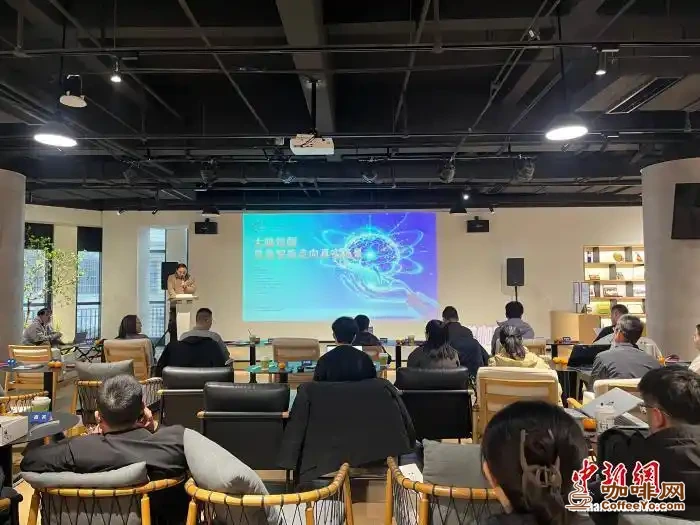 Zhejiang "Science Cafe" Promotes Embodied Intelligence in Real-World Scenarios


 Liaoning ICP Security No. 21122402000217