


Brief (coffeeyo.com): “Running on coffee” is a daily ritual for many workers, but that convenient cup of instant coffee may be quietly draining the body and even accelerating aging — not because of the caffeine, but because of the added refined sugar and non-dairy creamer.
“Running on coffee” is a daily ritual for many workers; when you’re tired, a quick cup perks you up fast. But this convenient instant coffee is quietly draining our physical state and may even accelerate aging.
What is really going on? What premature-aging signals does long-term drinking trigger in the body? Can we still drink coffee with peace of mind?
How Does Instant Coffee Accelerate Aging?
The link between instant coffee and aging speed is not just skin-deep — it shows up in biological aging markers.
Telomeres are the protective structures at the ends of chromosomes; their length decreases with each cell division, and when they shorten to a critical point the cell ages or dies, making them a key yardstick for measuring the aging process. The faster telomeres are lost, the weaker the cell’s repair capacity.

Source: China Science Daily.
Long-term intake of instant coffee may continuously disrupt cellular homeostasis, accelerate telomere loss and shorten the cell life cycle. Though invisible to the naked eye, such damage gradually weakens the body’s repair capacity, creating a hidden state of premature aging.
However, current research evidence does not directly equate “pure instant coffee powder” with telomere shortening. What is clearly linked to telomere loss is the 3-in-1 instant coffee loaded with large amounts of refined sugar and non-dairy creamer.
Why Does Instant Coffee “Hold Us Back”?
Additives in the ingredient list can trigger aging. The vast majority of instant coffees on the market add refined sugar, non-dairy creamer, artificial flavors and the like. Long-term excessive sugar intake accelerates skin glycation, destroys collagen, and makes skin yellow, slack and lined. Non-dairy creamer may induce a low-grade chronic inflammation in the body.

Source: copyright image library.
When inflammation and glycation persist, they keep wearing down cells and accelerate the body’s aging process at the biological level. Though not obvious, this influence gradually weakens the body’s repair capacity.
High-temperature processing loses anti-aging nutrients. Natural coffee beans come with strong antioxidants such as chlorogenic acid and polyphenols, which clear free radicals in the body, reduce oxidative cell damage and help slow aging. But during high-temperature steps such as spray drying, instant coffee does lose a fair amount of its natural active substances, and its antioxidant capacity is lower than that of other coffees.
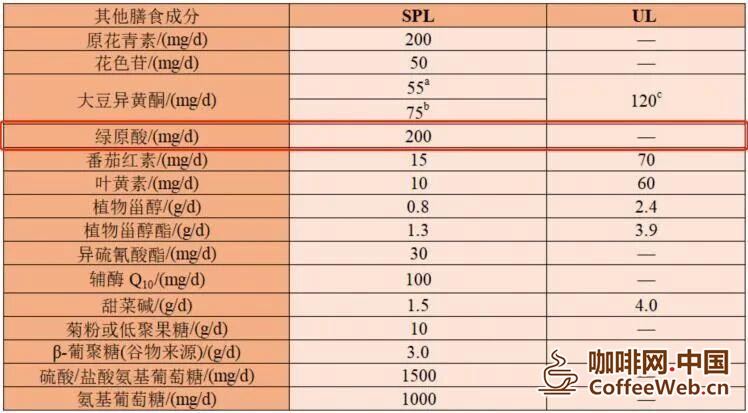
Source: Dietary Reference Intakes for Chinese Residents (2023 Edition).
Some think it has higher caffeine content — that is a misconception. The discomfort it brings is more often from dramatic blood-sugar swings caused by high sugar, or the metabolic burden of non-dairy creamer, not from excess caffeine itself.
Of course, with any coffee, excessive caffeine intake disrupts the nervous system’s rhythm and suppresses melatonin secretion, making it harder to fall asleep and reducing deep sleep. Sleep is the golden window for cell repair; chronically poor sleep quality means damaged cells can’t be repaired in time, creating a vicious cycle of “the more you drink, the more tired you get, and the more tired, the older you look.”
Watch for These Signals
The damage from instant coffee builds up gradually, and the body sends early warnings:
Persistently worsening complexion: you keep a regular schedule yet your face is sallow and dull, and skincare products don’t help much. This mostly reflects long-term glycation and chronic inflammation showing up on the skin.
Cliff-edge energy crash: coffee used to keep you alert all afternoon, but now it leaves you more tired, dizzy and unable to focus. This is usually a “hypoglycemic reaction” after a sharp blood-sugar swing, or a sign of nervous-system dysregulation from caffeine dependence.

Source: copyright image library.
Shallower sleep and irritability: trouble falling asleep, waking easily at night, poorer sleep quality. Long-term sleep damage in turn accelerates the decline of bodily functions.
Slower metabolism and hard-to-control weight: if you frequently bloat or can’t seem to lose weight, it may also be tied to the metabolic burden of high sugar and artificial additives.
How to Drink Coffee Scientifically
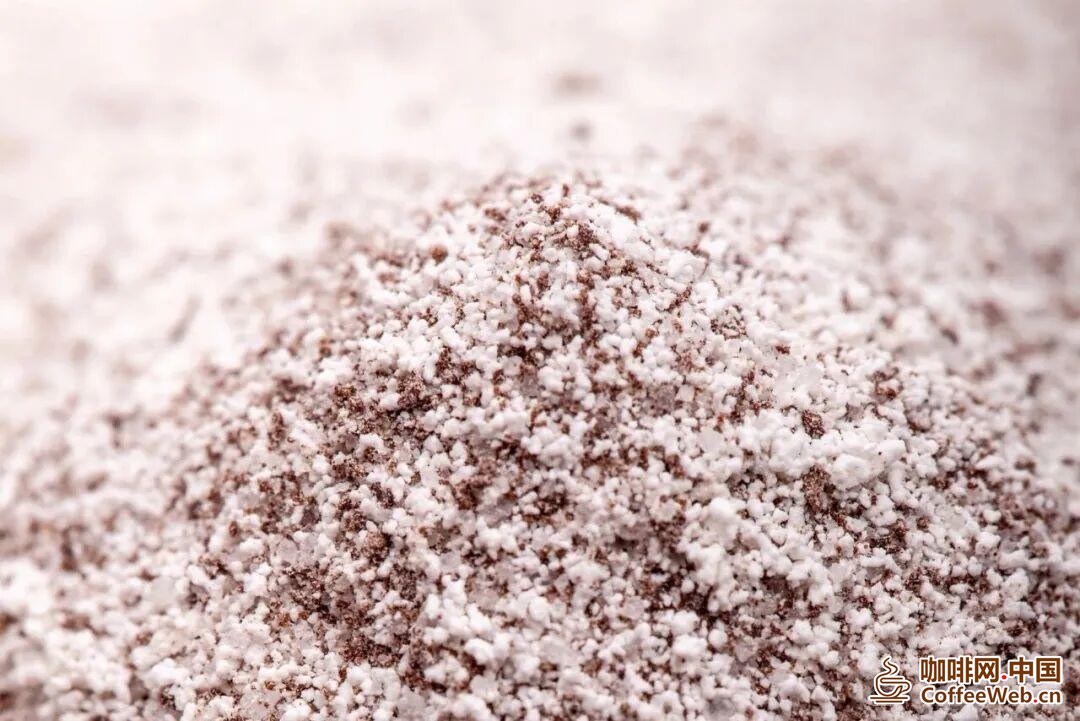
Prioritize unsweetened pure black coffee. What really ages you is sugar and non-dairy creamer, not the coffee itself. When buying, check the ingredient list and choose pure black instant coffee or freeze-dried coffee powder whose only ingredient is “coffee beans.”
Source: copyright image library.
Control frequency and total amount. Healthy adults are advised to keep daily caffeine intake under 400 mg. Those who are physically weak, have poor metabolism or frequently stay up late should drink as little as possible.
Pick the right time. Avoid drinking coffee on an empty stomach, as it may irritate the stomach and intestines and add metabolic pressure; try not to drink within 6 hours of bedtime, to ensure normal nighttime cell repair.
If you are sensitive to caffeine, or have palpitations, anxiety, stomach discomfort and the like, reduce intake or choose decaf, based on your own tolerance.
Reviewed by: Wang Xuejiang, Professor at Capital Medical University.
Source: China Coffee Network.
Reprint Note & Disclaimer
- This article is reprinted from Chinese media for information and cultural exchange. The views expressed are those of the original author and do not necessarily reflect the position of coffeeyo.com.
- All trademarks, brand names and logos mentioned belong to their respective owners.
- For cooperation, reprint or correction requests, please contact coffeeyo.com.
Reprint Notice & Disclaimer
- This article has been edited and compiled by China Coffee Network. The information and images therein come from public sources and the copyright belongs to the original author. This reprint is intended solely for information sharing within the coffee industry and does not represent the views of this website; all data and opinions are subject to the original article. Our thanks to the original author for creating and sharing it.
- For matters concerning content licensing, attribution, copyright or otherwise, please contact us promptly and we will verify and cooperate in handling them as soon as possible. We also welcome coffee origins, brands and industry media to exchange ideas and contribute articles.
- Contact China Coffee Network: Tel 400-0000-641 (+86-18288016826) | Email 478203668@qq.com | Address: Jinghong, Xishuangbanna, Yunnan Province / Tieling, Liaoning Province
Related Reading
 Jiangxi Wuyuan: Rural Coffee Unlocks New Cultural Tourism Formats
 Jiangxi Wuyuan: Rural Cafes Unlock New Cultural Tourism Formats
 Global quality goods gather at Hongqiao Import Commodity Exhibition Center, setting "Chinese standards" for coffee
- Global premium products gather to set China's coffee standards as Hongqiao Import Commodity Exhibition Center keeps the CIIE spirit alive
- Global quality goods gather as Hongqiao Import Commodity Exhibition Center and CIIE forge lasting partnership to set China's coffee standards.
 Zhejiang "Science Cafe" Promotes Embodied Intelligence in Real-World Scenarios


 Liaoning ICP Security No. 21122402000217